Master SharePoint to Google Drive Migration with RcloneView: A Step-by-Step Business Guide
Move SharePoint document libraries to Google Drive (Workspace) with a visual, throttled, and repeatable flow that corporate admins can run without touching the CLI.
RcloneView wraps rclone’s SharePoint and Google Drive connectors into a GUI with audit-friendly logs, scheduler, and real-time monitoring. This guide shows how to plan and execute a staged migration so you can move team sites, project folders, or whole business units without downtime.
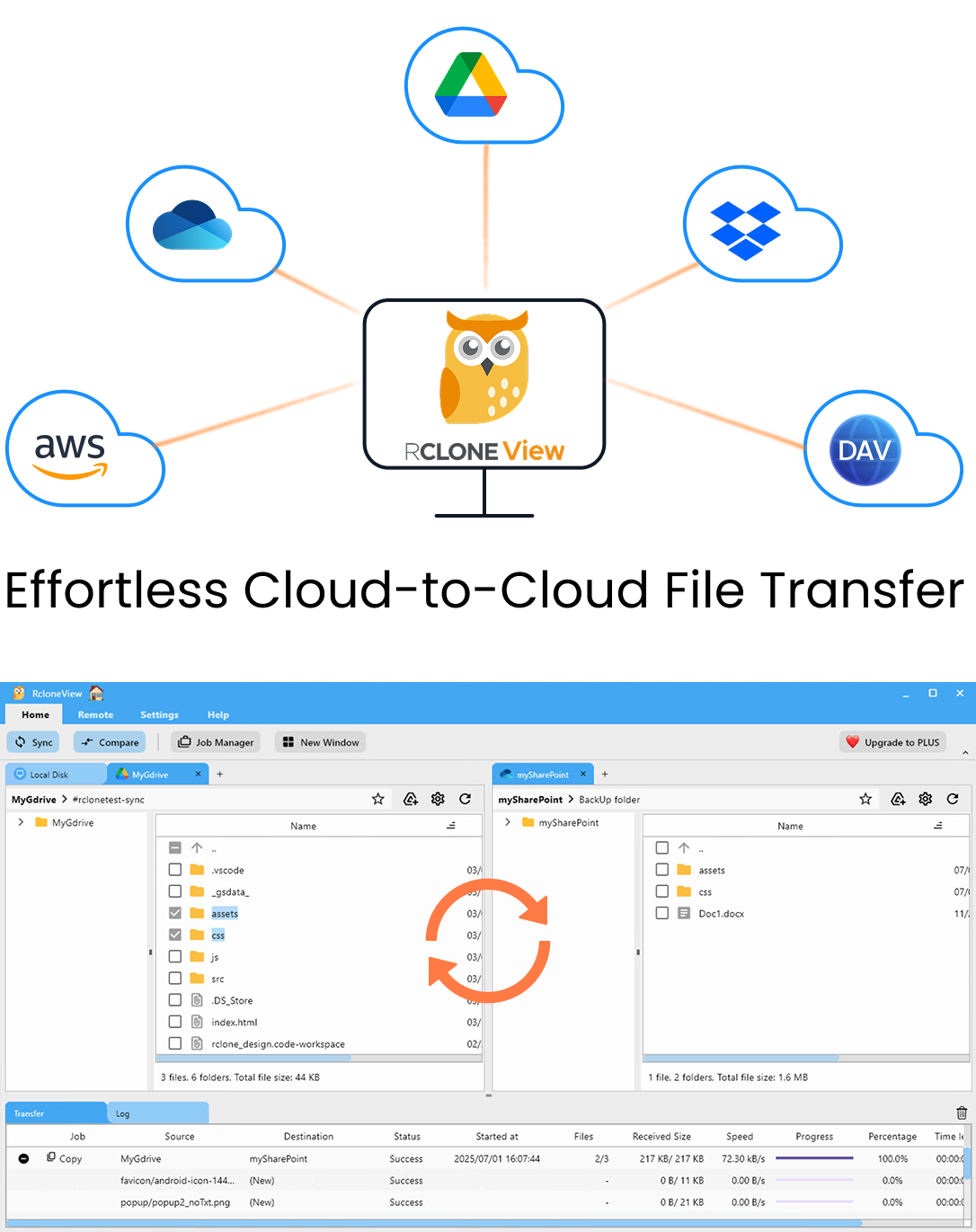
Manage & Sync All Clouds in One Place
RcloneView is a cross-platform GUI for rclone. Compare folders, transfer or sync files, and automate multi-cloud workflows with a clean, visual interface.
- One-click jobs: Copy · Sync · Compare
- Schedulers & history for reliable automation
- Works with Google Drive, OneDrive, Dropbox, S3, WebDAV, SFTP and more
Free core features. Plus automations available.
Why use RcloneView for SharePoint → Google Drive
- No CLI required: configure Microsoft 365 (SharePoint/OneDrive for Business) and Google Drive remotes through guided dialogs.
- Business-friendly: throttle requests to avoid SharePoint and Drive API rate limits, and schedule cutovers during maintenance windows.
- Operational visibility: side-by-side explorer, compare & copy, job history, and live transfer monitoring for audits.
- Flexible moves: single copy, bidirectional sync, or staged delta syncs that keep source and destination aligned.
Prerequisites (enterprise-ready)
- RcloneView installed and signed in with accounts that have access to the target SharePoint site and Google Drive destination (Shared Drive or My Drive).
- Admin consent granted for Microsoft Graph if your tenant restricts third-party apps.
- A cutover window (or allow staged syncs) and enough Drive/Shared Drive quota.
Step 1 — Connect SharePoint and Google Drive remotes
- In RcloneView → Settings → Remote Storage, add a new remote.
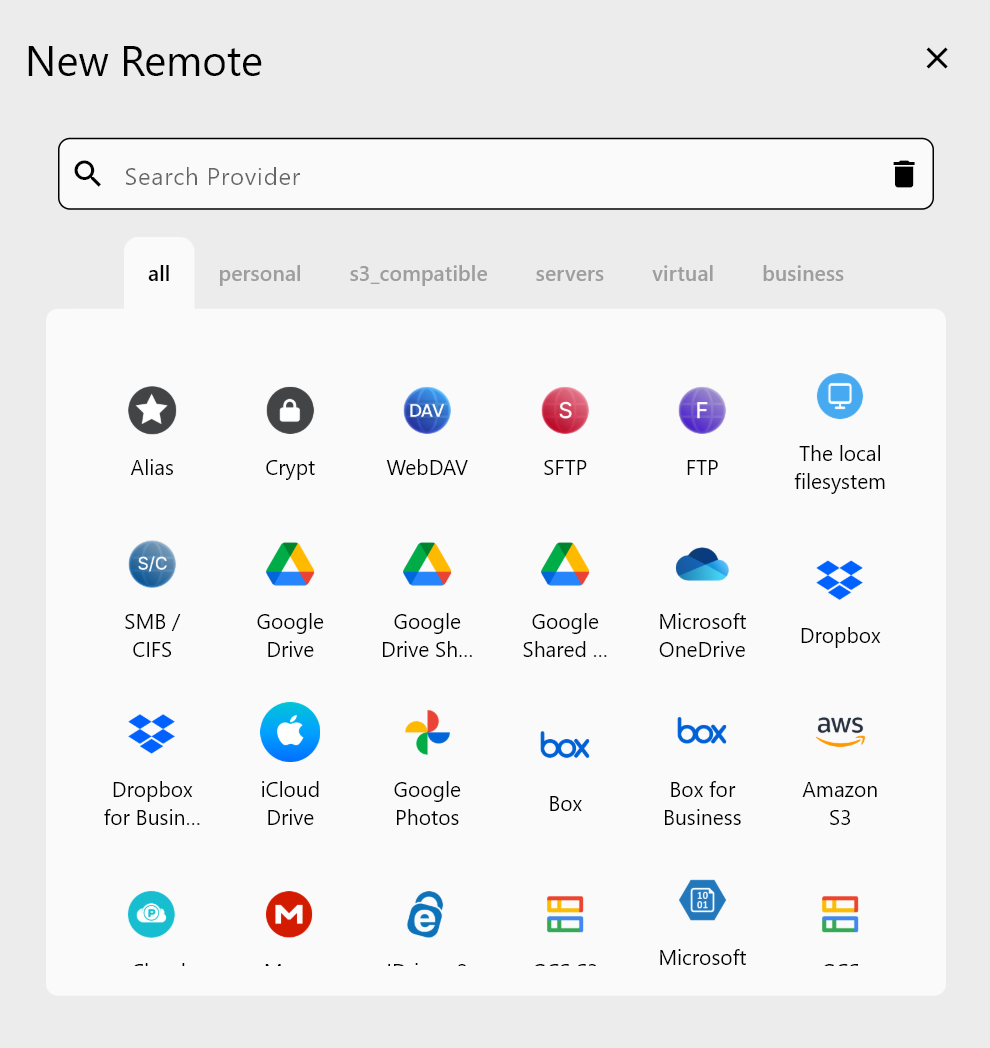
- Choose OneDrive/SharePoint (Microsoft 365), sign in with the account that owns or can access the site, and pick the correct Site / Document Library (e.g.,
/sites/Marketing/Shared Documents). - Add Google Drive (Workspace): choose whether to land in My Drive or a specific Shared Drive for the project.
- Test each remote and save.
Step 2 — Map the right libraries and target folders
- For each SharePoint library, note the path you selected in the connection dialog; open it in Explorer to confirm the root (you should see the expected department folders).
- Create the matching folder structure in Google Drive/Shared Drive if it does not already exist.
- If you have per-team isolation, repeat with multiple SharePoint remotes (one per site or per sensitive collection).
Step 3 — Validate with a side-by-side check
- Open both remotes in the two-pane Explorer.
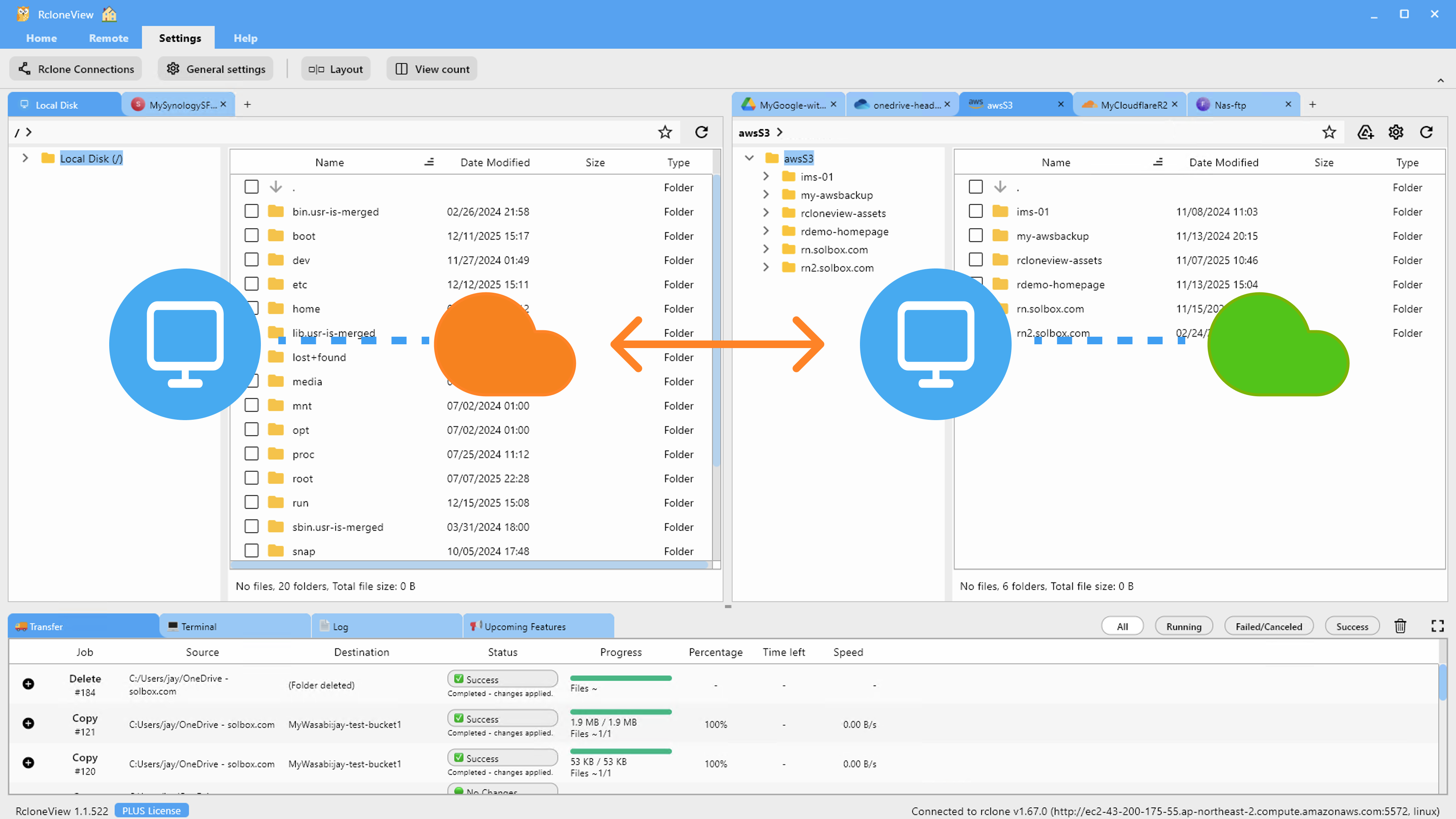
- Use Compare to preview differences (size, missing files) before copying.
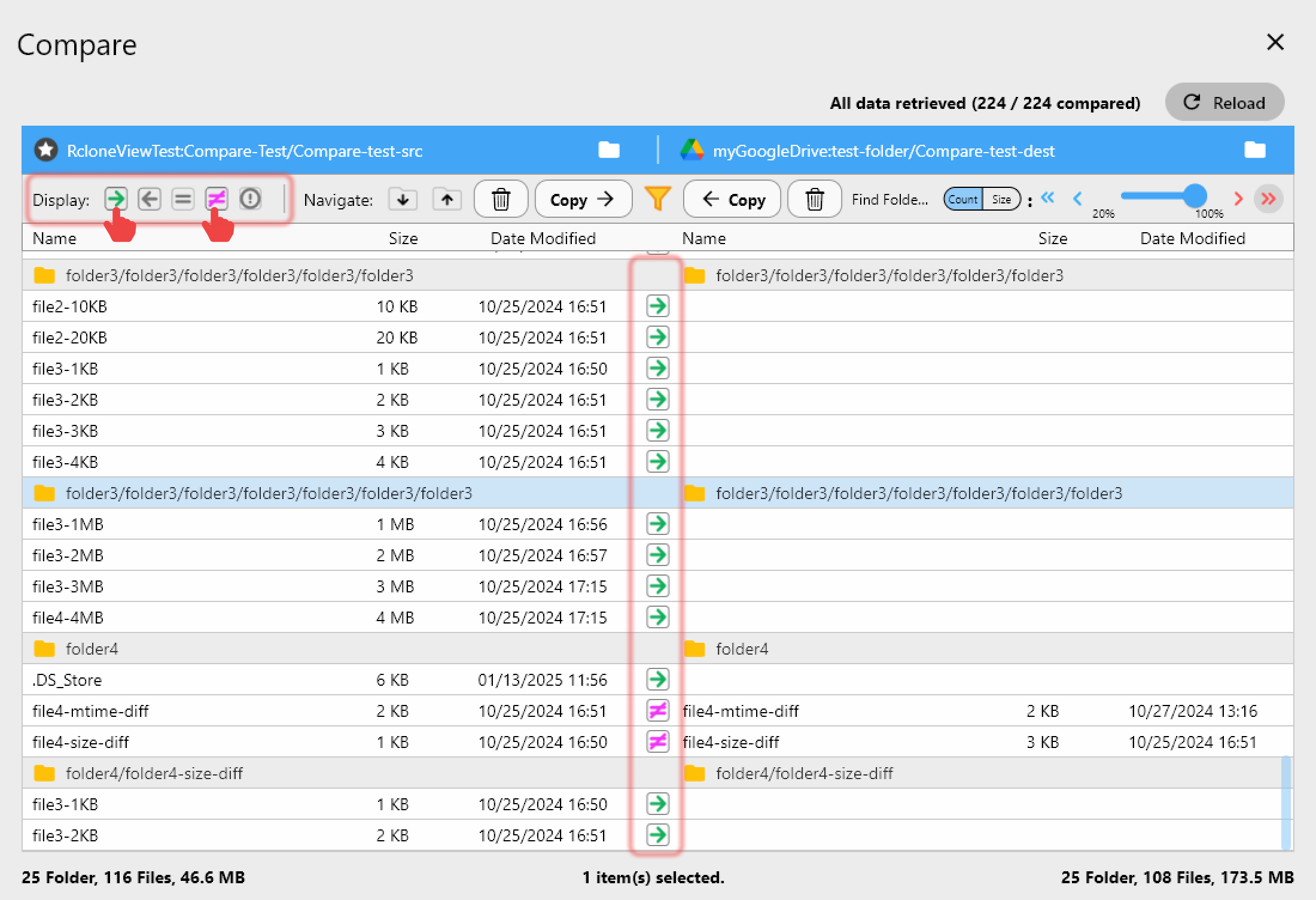
- Copy a small pilot folder first to verify permissions, versioned files, and naming rules (SharePoint’s
# % & { }become valid on Drive, but long paths may still need cleanup).
Step 4 — Choose your migration mode
- One-time copy (fastest): Use Copy for lift-and-shift into the new Shared Drive. Ideal when the source goes read-only during cutover.
- Sync (two-way optional): Use Sync when users still edit files during migration; finish with a final delta sync in the cutover window.
- Server-side when possible: If your SharePoint and Drive are internet-reachable, RcloneView leverages server-side copies where supported to reduce egress.
Drag-and-drop also works for ad-hoc moves and quick fixes.
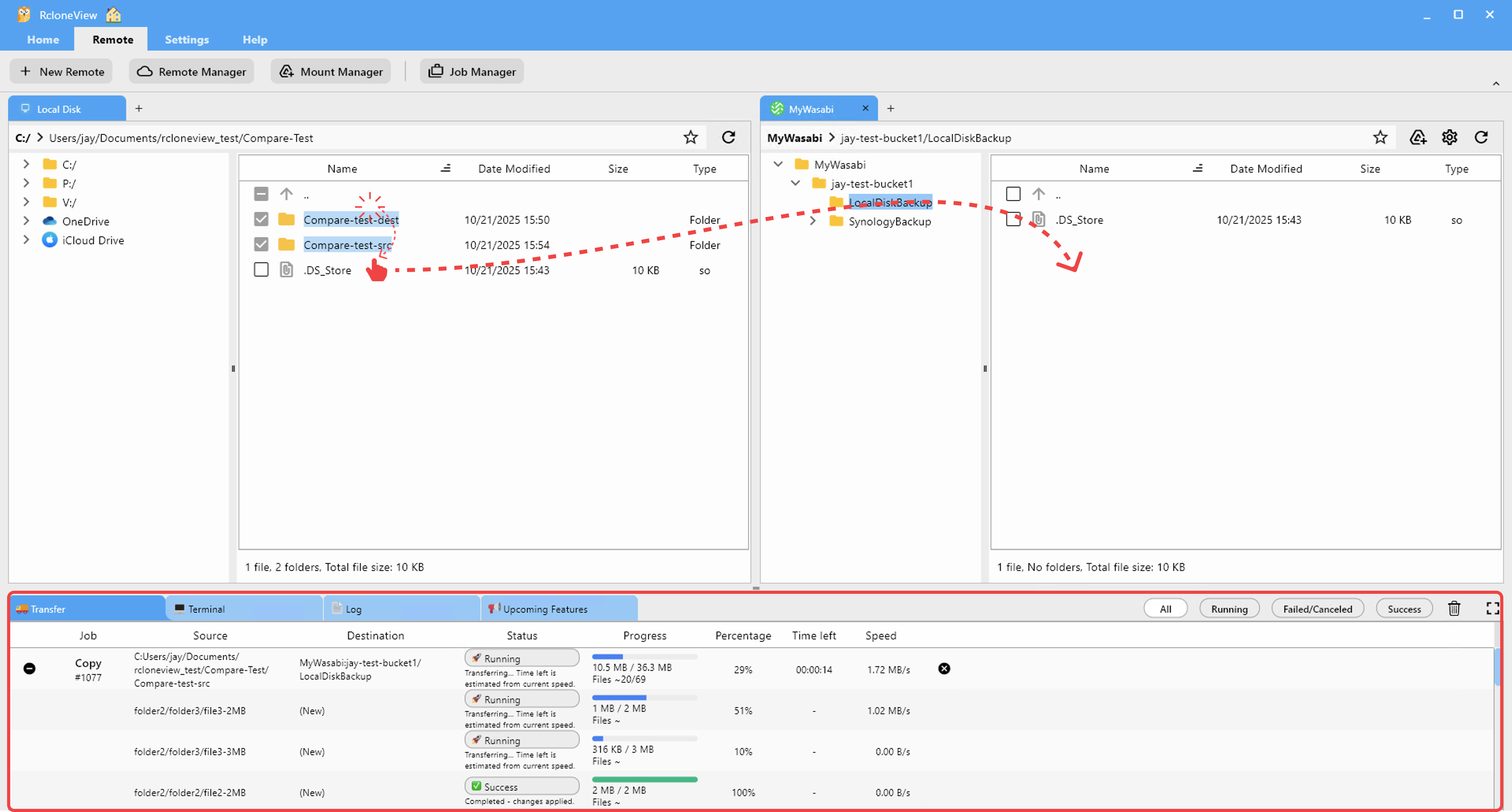
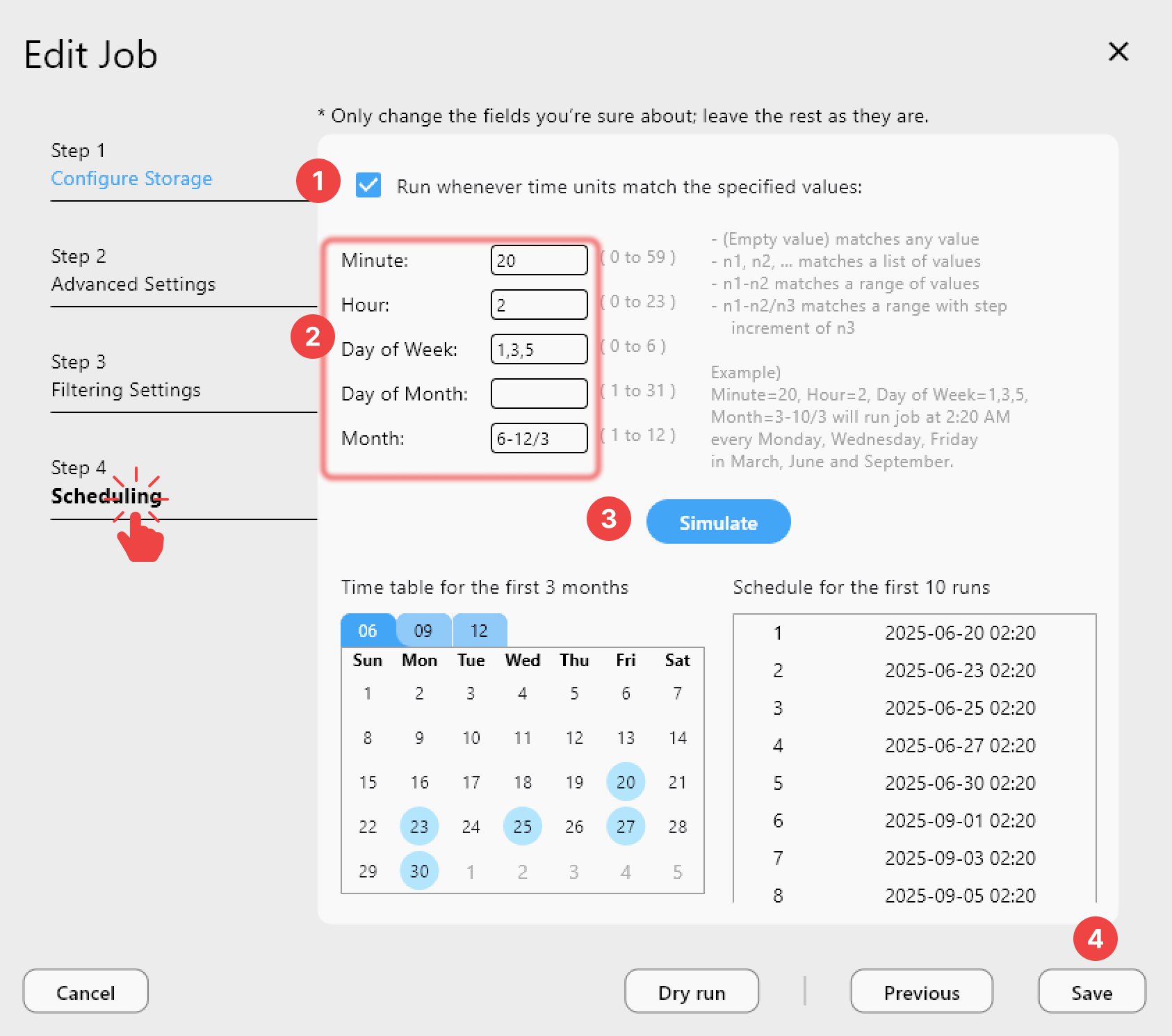
Step 5 — Create a repeatable job and schedule the cutover
- In Jobs, create a new Copy or Sync job from the SharePoint library to the target Shared Drive path.
- Set Bandwidth limits and Transfers to respect Microsoft 365 and Google Drive throttling (e.g.,
tpslimit,--drive-chunk-size, or Max Transfer sliders). - Save, then schedule during off-hours for the bulk move; add a second schedule for deltas.
Step 6 — Run, monitor, and handle throttling
- Start the job and watch progress in real time (throughput, ETA, errors).
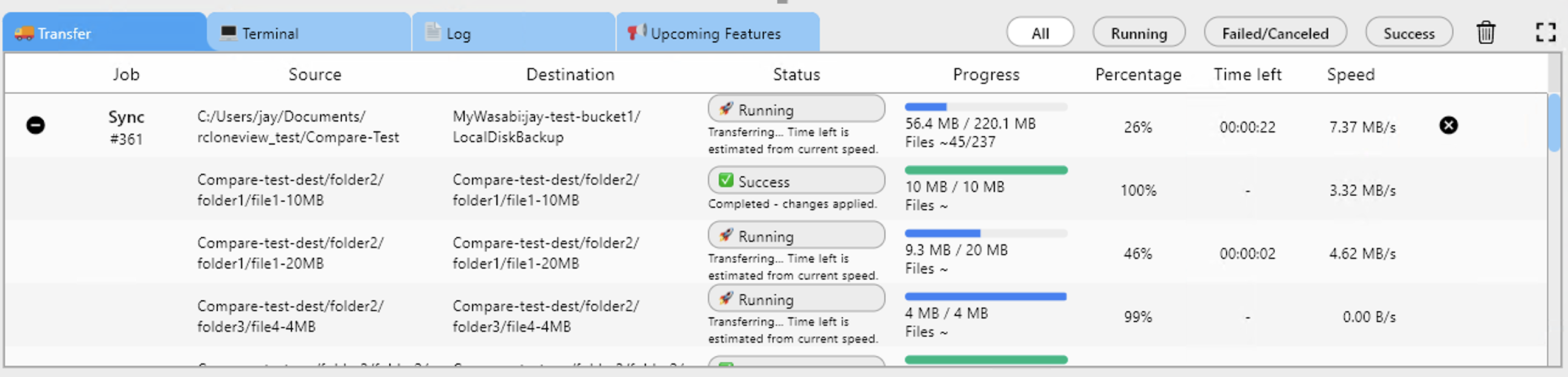
- If you see
throttledor403/429responses, lower transfers or add a short backoff; RcloneView surfaces these logs without opening a terminal. - Use Job History to export results for compliance and retry any failed objects directly from the UI.
Step 7 — Post-migration checks and handoff
- Re-run Compare to confirm the destination matches SharePoint before unlocking user access.
- Spot-check permissions: while Drive ACLs do not mirror SharePoint automatically, you can bulk-share the new root with the right Workspace groups.
- Keep the job as a scheduled delta sync for a few days if teams remain active on SharePoint, then switch the source to read-only.
Troubleshooting tips for corporate environments
- Complex sites: Connect per site/library instead of tenant-wide to avoid accidental scope creep.
- Long paths or odd characters: Enable Rclone’s Unicode normalization and path length handling in advanced options; rename edge cases in Explorer before the cutover.
- Data sovereignty: For regulated teams, target regional Shared Drives and keep an audit of job history exports.
Related resources
- Add Remote via Browse-based Log-in (OAuth)
- Add Google Drive
- Compare folder contents
- Synchronize Remote Storages Instantly
- Create Sync Jobs
- Job Scheduling
- Real-time Transfer Monitoring
- Mount Cloud Storage as a Local Drive
Wrap-up
RcloneView gives IT teams a visual, low-risk path to migrate SharePoint libraries into Google Drive or Shared Drives. With policy-friendly throttling, scheduled cutovers, and live monitoring, you can move business-critical data without command-line scripts, keep stakeholders informed, and leave a repeatable job in place for future consolidations.
Supported Cloud Providers