RcloneView Batch Jobs: Run Multiple Cloud Tasks in One Click
Tired of running cloud sync, copy, and cleanup jobs one at a time? RcloneView 1.3 introduces Batch Jobs — group multiple tasks into a single sequence and execute them all with one click.
Managing cloud storage often means running the same series of operations repeatedly: sync Project A to Google Drive, copy backups to S3, clean up old files on OneDrive, then move archives to Glacier. Doing this manually every day is tedious and error-prone. RcloneView Batch Jobs solves this by letting you define a sequence of jobs and run them all together.
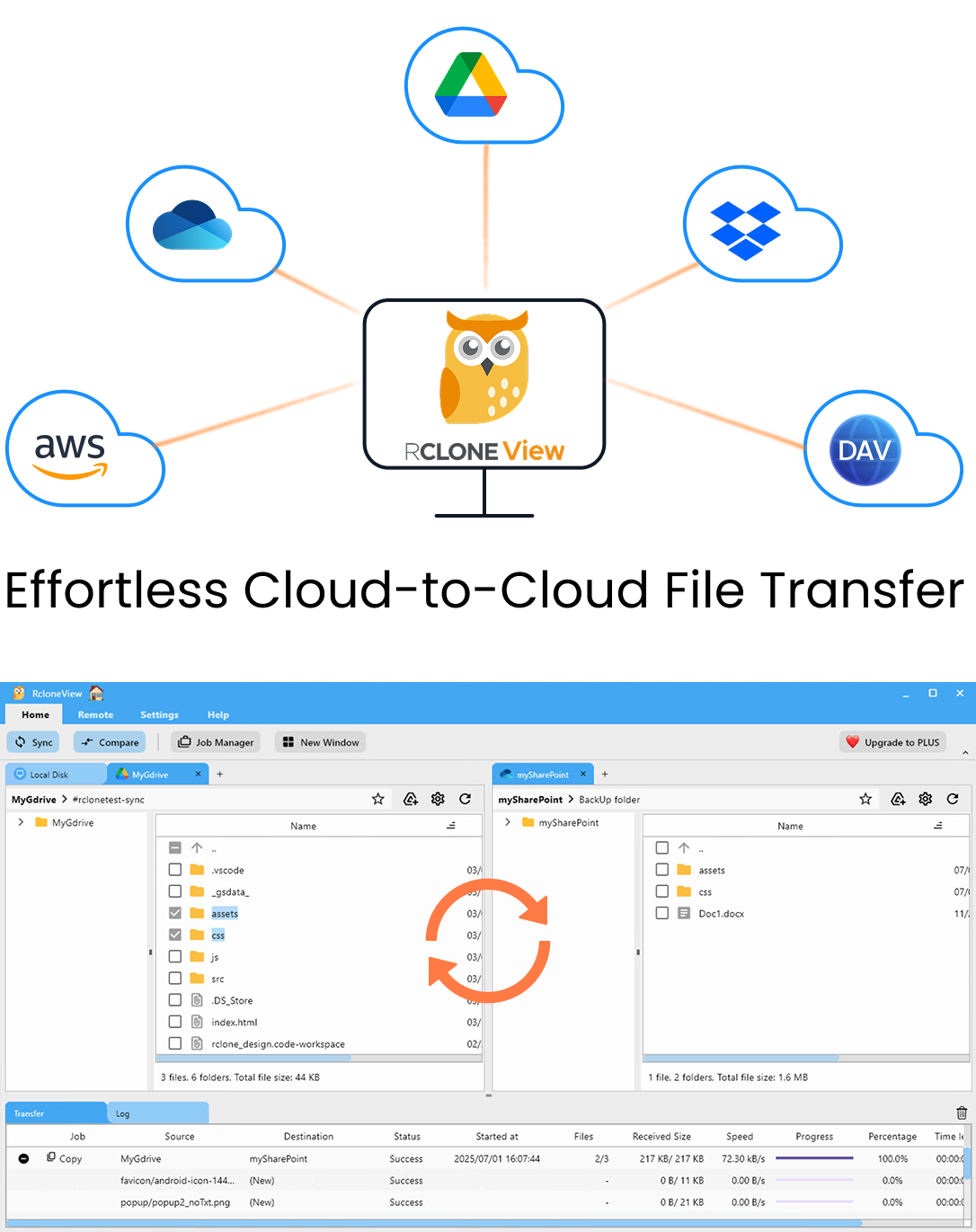
Manage & Sync All Clouds in One Place
RcloneView is a cross-platform GUI for rclone. Compare folders, transfer or sync files, and automate multi-cloud workflows with a clean, visual interface.
- One-click jobs: Copy · Sync · Compare
- Schedulers & history for reliable automation
- Works with Google Drive, OneDrive, Dropbox, S3, WebDAV, SFTP and more
Free core features. Plus automations available.
What Are Batch Jobs?
Batch Jobs is a feature introduced in RcloneView 1.3 that allows you to group multiple jobs into a single batch and execute them in order. Instead of clicking "Run" on each individual job, you define the sequence once and trigger the entire workflow with a single action.
This is especially powerful when combined with the new job types also introduced in v1.3:
- Sync — Mirror source to destination
- Copy — One-way file transfer
- Move — Transfer and remove from source
- Rename — Rename files or folders
- Delete — Remove files from a remote
- Create Folder — Set up directory structures
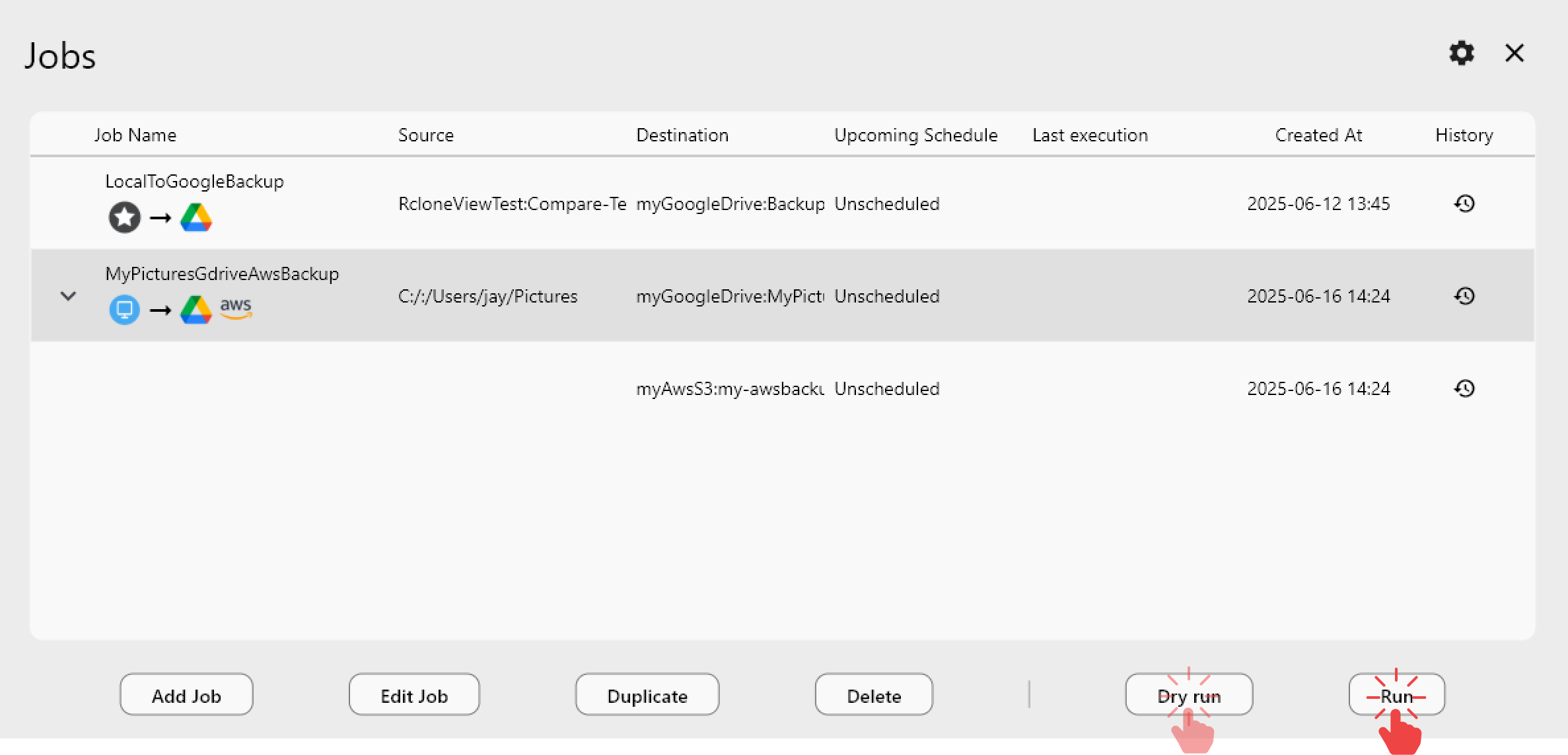
Why Batch Jobs Matter
1) Eliminate Repetitive Manual Steps
If your daily routine looks like this:
- Sync local project files → Google Drive
- Copy Google Drive backup → AWS S3
- Delete temp files on OneDrive
- Move completed archives → Glacier
You can now define all four steps as a single batch and run them in one click. No more watching each job finish before starting the next.
2) Reduce Human Error
Manual multi-step workflows are fragile. Forget one step, run things out of order, or accidentally skip a critical sync — and you have data inconsistencies. Batch Jobs enforce a consistent execution order every time.
3) Save Time for IT Teams
For IT administrators managing cloud storage across departments, Batch Jobs turn complex multi-provider workflows into repeatable, reliable operations. Define once, run daily.
How to Set Up a Batch Job
Setting up a Batch Job in RcloneView follows a straightforward process:
Step 1: Create Your Individual Jobs
First, set up each job you need in the Job Manager — sync jobs, copy jobs, move jobs, or any of the newly supported types. Give each job a clear, descriptive name so they're easy to identify.
Step 2: Create a New Batch
Open the Batch Job panel and create a new batch. Give it a meaningful name like "Daily Backup Routine" or "Weekly Archive Cleanup."
Step 3: Add Jobs to the Batch
Select the jobs you want to include and arrange them in the desired execution order. The batch will run each job sequentially, waiting for one to complete before starting the next.
Step 4: Run the Batch
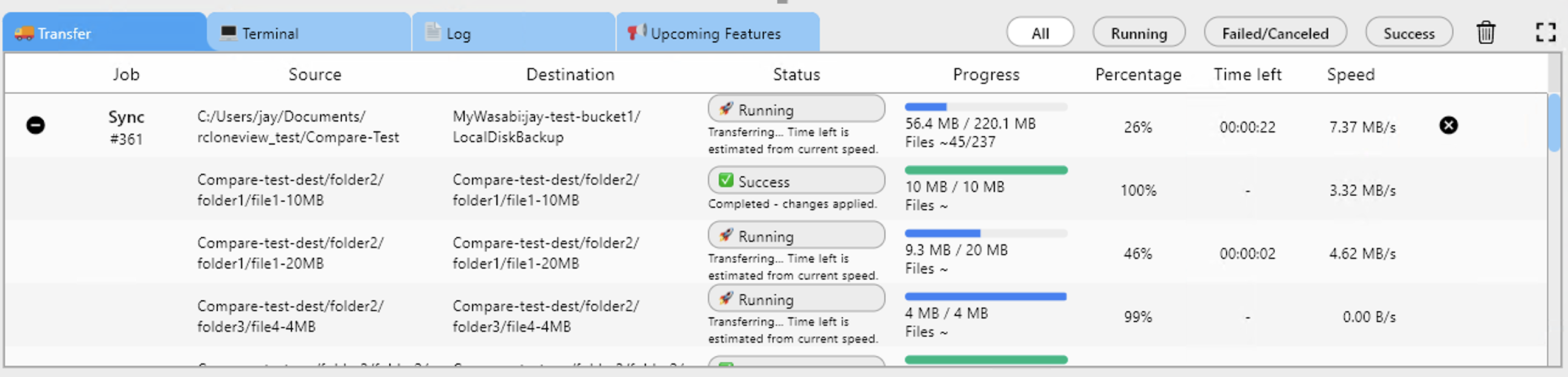
Click Run on the batch, and RcloneView handles the rest. Each job executes in sequence, and you can monitor progress in real time.
Practical Use Cases
Daily Backup Pipeline
Create a batch that:
- Syncs your local work folder to Google Drive
- Copies the Google Drive folder to an S3 bucket for redundancy
- Sends a notification via Slack or Discord
Multi-Cloud Migration
Moving from one provider to another? Set up a batch that:
- Compares source and destination using Folder Comparison
- Copies only changed files
- Verifies the transfer with a second comparison
NAS-to-Cloud Archive Workflow
For Synology NAS users:
- Sync NAS shared folders to a cloud remote
- Move old files to a cold storage tier
- Delete local temp files that are already backed up
Team Content Distribution
Distribute files to multiple cloud destinations:
- Copy design assets → Google Drive (design team)
- Copy documentation → OneDrive (management)
- Copy source code → S3 bucket (development)
Retry Failed Jobs — No More Starting Over
Another v1.3 feature that pairs perfectly with Batch Jobs is Retry Failed Jobs. If a network hiccup causes one job in your batch to fail, you don't need to recreate or re-run the entire sequence. Simply retry the failed job and continue where you left off.
This is a significant quality-of-life improvement for long-running batch operations, especially over unstable connections or when working with rate-limited APIs.
Combine Batch Jobs with Scheduling
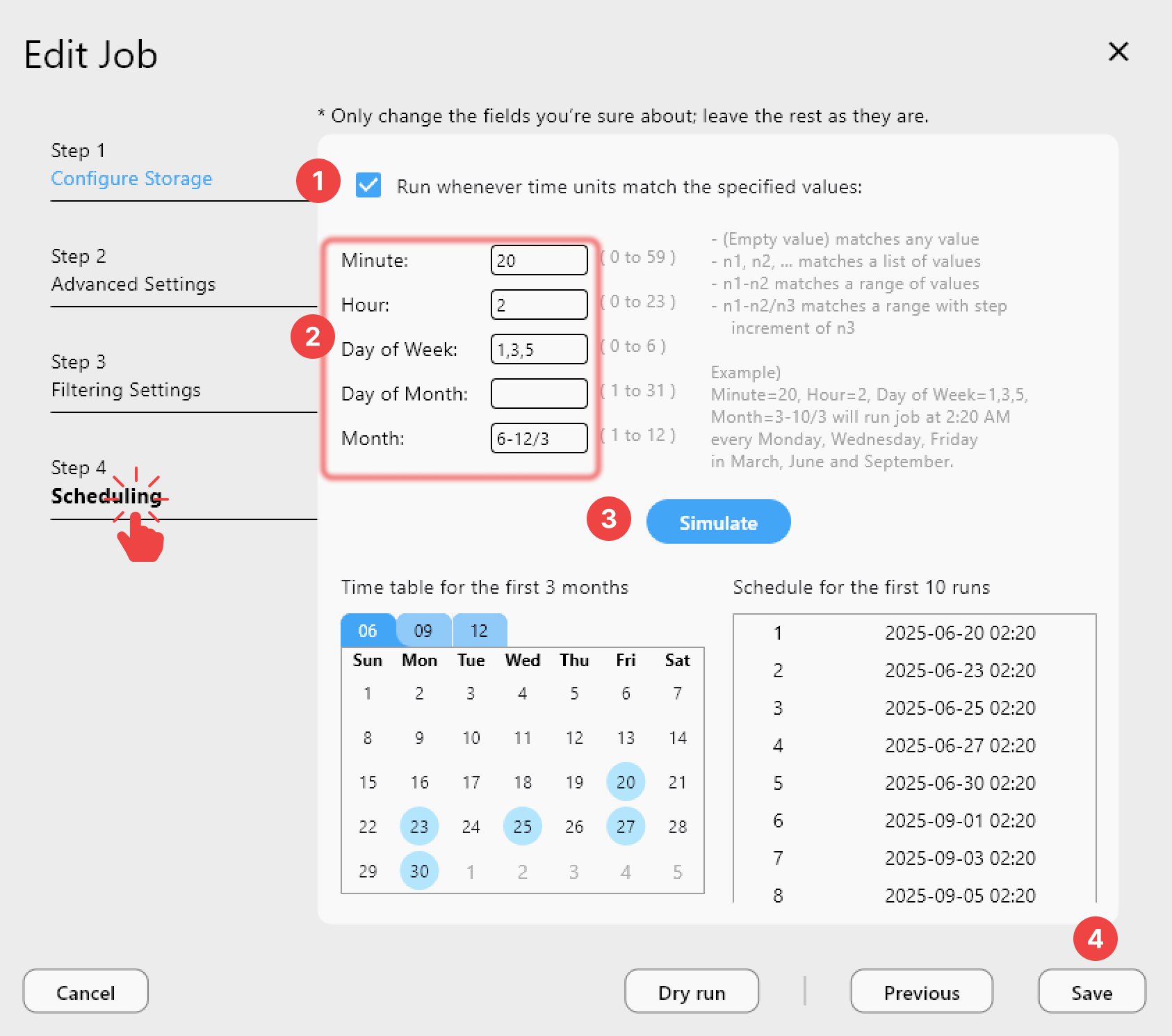
Batch Jobs become even more powerful when combined with RcloneView's Job Scheduling feature. Schedule your batch to run automatically at specific times — for example, every night at 2 AM or every Friday at 5 PM.
This creates a fully automated cloud management pipeline:
- Define your jobs and batch sequence
- Schedule the batch to run on a recurring basis
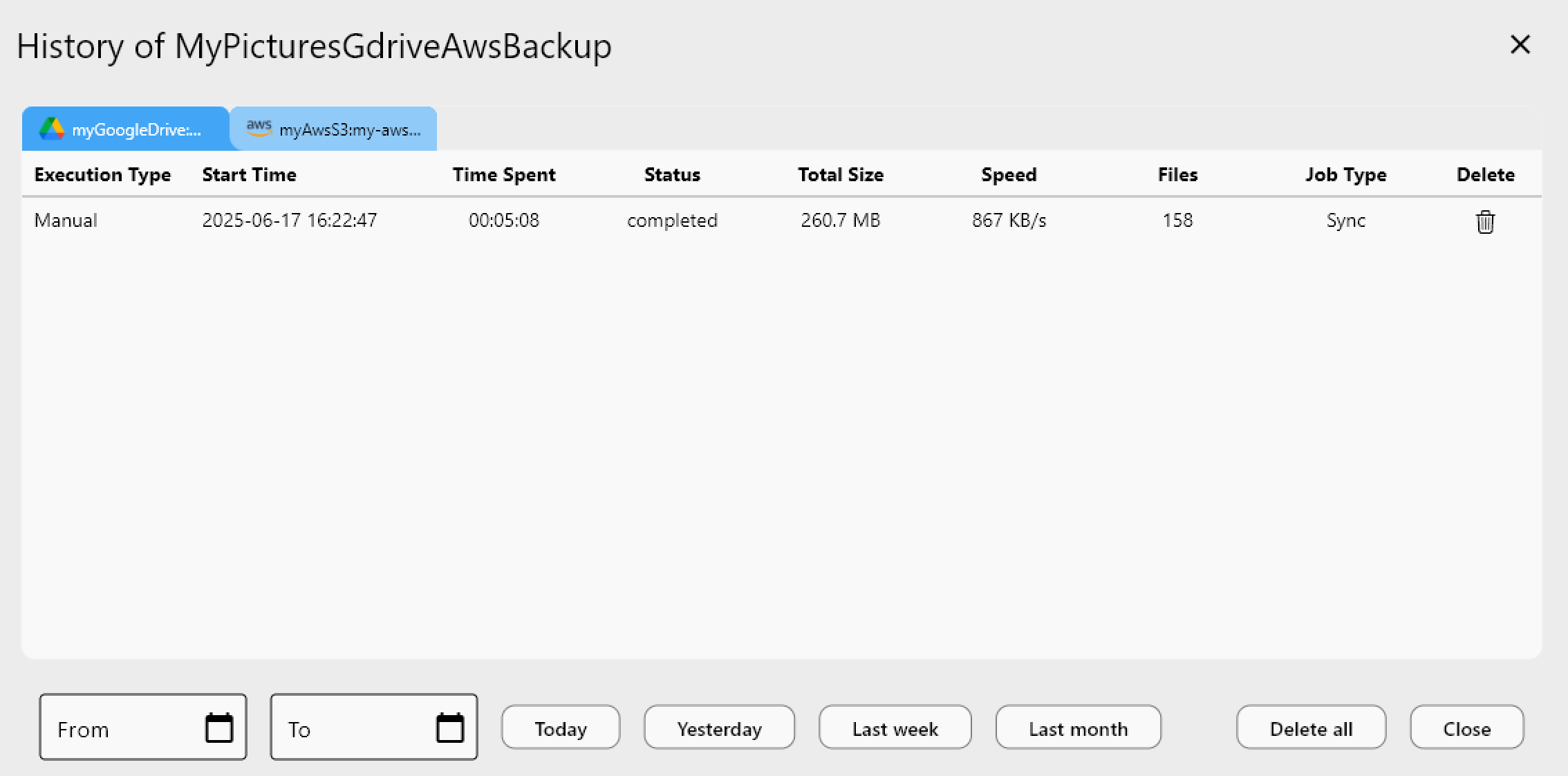
- Monitor results through Job History
- Get notified via Slack, Discord, or Telegram
Getting Started
- Download RcloneView from rcloneview.com (Windows, macOS, Linux)
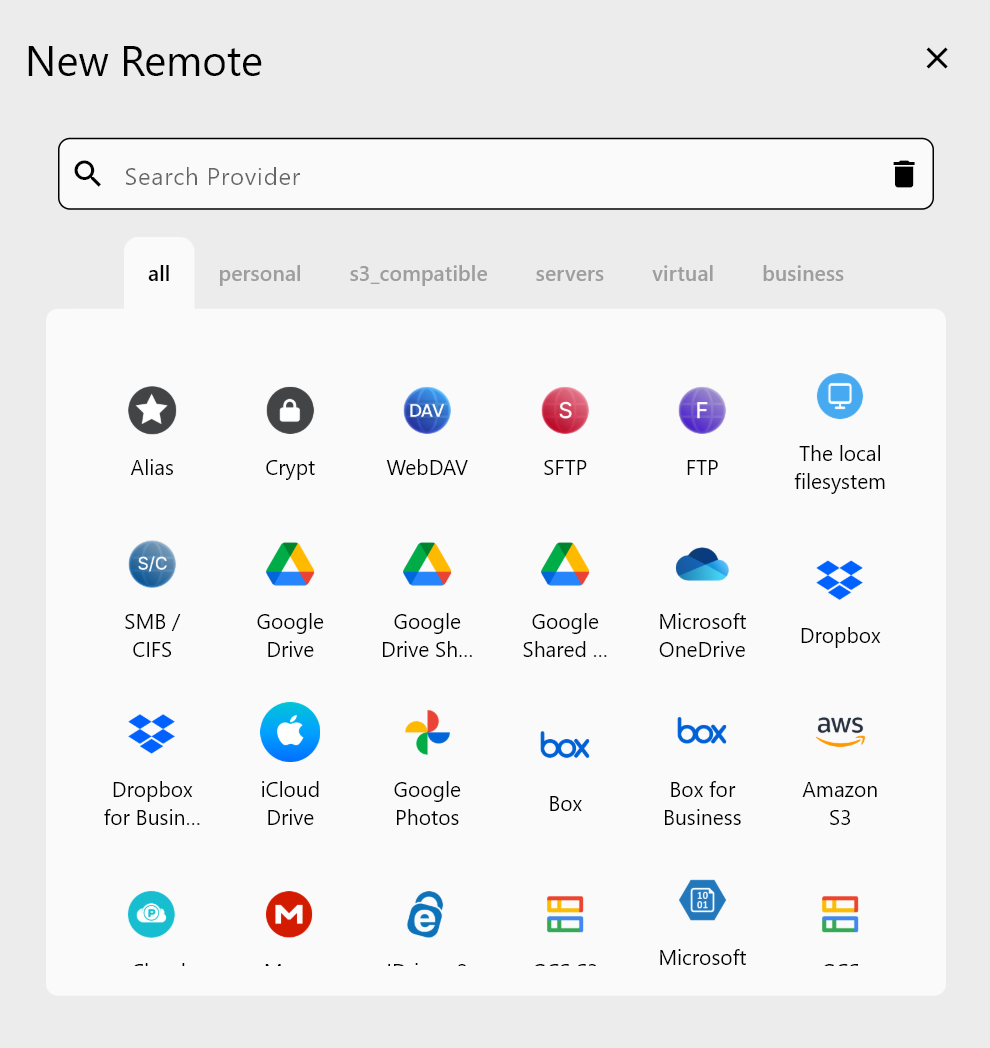
- Add your remotes — Google Drive, S3, OneDrive, or any of 70+ supported providers
- Create your jobs in the Job Manager using Sync, Copy, Move, or other job types
- Build a batch and arrange your jobs in the right order
- Run or schedule the batch and let RcloneView handle the rest
Summary
RcloneView Batch Jobs transform multi-step cloud workflows into simple, repeatable operations. Combined with the new job types (Move, Rename, Delete, Create Folder), Retry Failed Jobs, and the existing scheduling and notification integrations, you now have a complete automation toolkit for cloud file management — all through a visual GUI, no CLI required.
Whether you're an IT administrator managing enterprise storage, a photographer distributing files to clients, or a developer backing up code to multiple clouds, Batch Jobs help you work smarter and more reliably.
Related Guides:
- Create Sync Jobs
- Execute & Manage Jobs
- Job Scheduling
- RcloneView Slack Remote Control
- RcloneView Discord Remote Control
- Compare Folder Contents
Supported Cloud Providers