The Future of File Management: How RcloneView Is Building Toward AI-Powered Semantic Storage
What if your cloud storage didn't just store files — it understood them? RcloneView is laying the groundwork for a future where AI organizes, optimizes, and protects your data based on what it means, not just where it sits.
We're living in an era of data explosion. The average enterprise manages data across 3–5 cloud providers, multiple NAS devices, and dozens of team members. Organizing this data by folder structure and filenames alone is like organizing a library by book color — it works until it doesn't.
The next evolution of file management is semantic: understanding files by their content, context, and relationships. RcloneView is uniquely positioned to lead this shift.
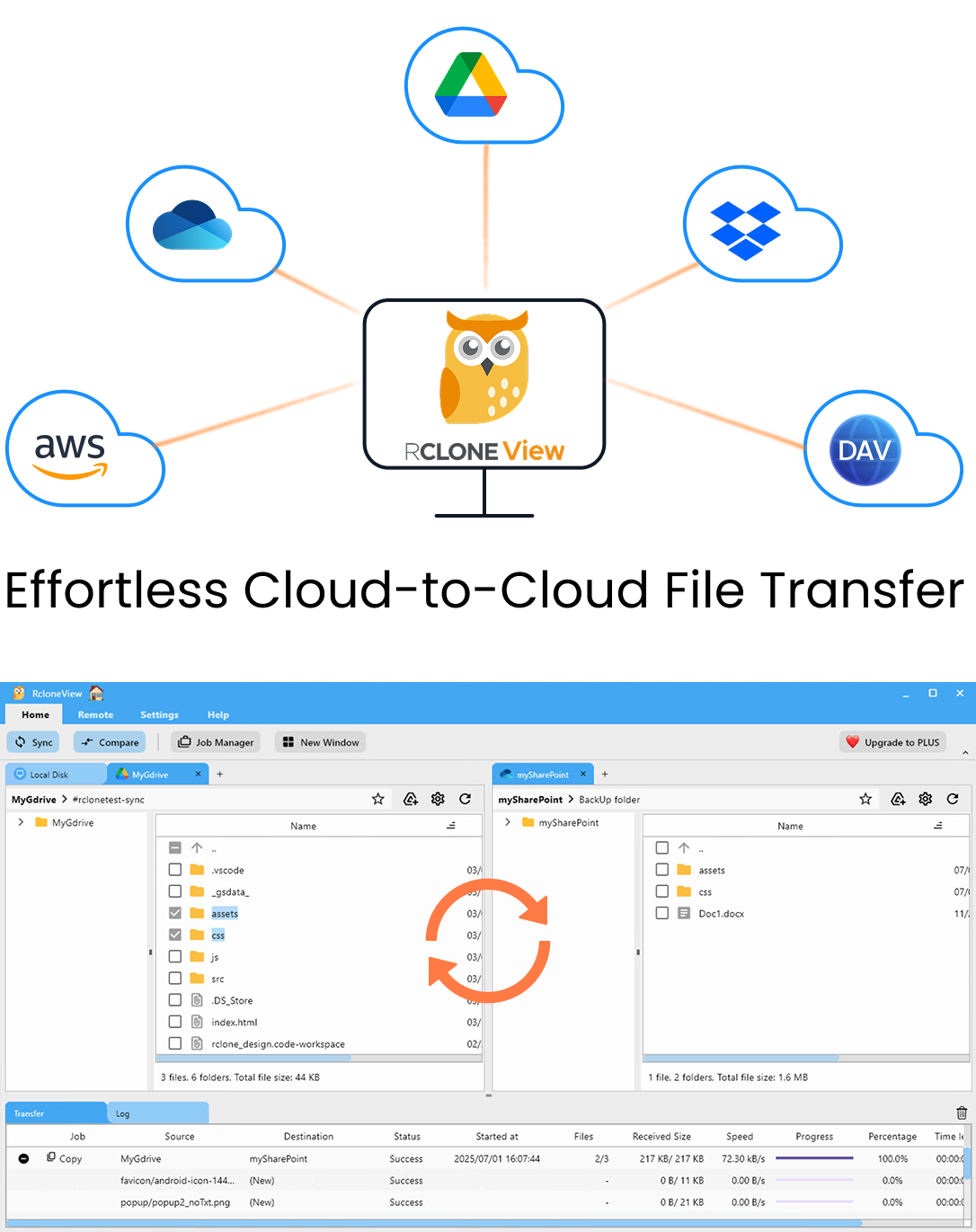
Manage & Sync All Clouds in One Place
RcloneView is a cross-platform GUI for rclone. Compare folders, transfer or sync files, and automate multi-cloud workflows with a clean, visual interface.
- One-click jobs: Copy · Sync · Compare
- Schedulers & history for reliable automation
- Works with Google Drive, OneDrive, Dropbox, S3, WebDAV, SFTP and more
Free core features. Plus automations available.
The Problem with Traditional File Management
Today's file management is fundamentally location-based. You organize files into folders, name them carefully, and hope everyone follows the same conventions. But this approach has deep limitations:
Duplicate chaos — The same file exists under different names in different clouds. You're paying for redundant storage and have no easy way to find or deduplicate them.
Context loss — A file named Q4-Report-Final-v3.xlsx tells you almost nothing. Who created it? What project is it for? Is it actually the final version, or is there a v4 somewhere?
Search friction — Finding a specific document means remembering which cloud it's in, which folder it's under, and what it's called. Cross-cloud search is essentially nonexistent.
Manual classification — IT teams spend hours creating folder hierarchies, writing naming conventions, and enforcing policies that users inevitably ignore.
What Semantic File Management Looks Like
Imagine a world where:
- You search by meaning, not filename — "Find the contract we signed with Acme Corp in Q3 2025" returns the right document instantly, regardless of what it's called or where it's stored.
- Duplicates are detected by content — Not just checksum matching, but understanding that two slightly different versions of the same presentation are related and suggesting which to keep.
- Files organize themselves — New uploads are automatically tagged, categorized, and routed to the right storage tier based on their content type, sensitivity, and access patterns.
- Storage costs optimize automatically — Rarely accessed files migrate to cold storage. Frequently used files stay on fast tiers. The system adapts continuously.
- Compliance is built in — Sensitive documents are automatically flagged and routed to encrypted, compliant storage — no manual classification required.
This isn't science fiction. The building blocks already exist: large language models for content understanding, embedding-based search for semantic retrieval, and classification models for automatic tagging. What's missing is a platform that connects these capabilities to the reality of multi-cloud file management.
Why RcloneView Is the Right Foundation
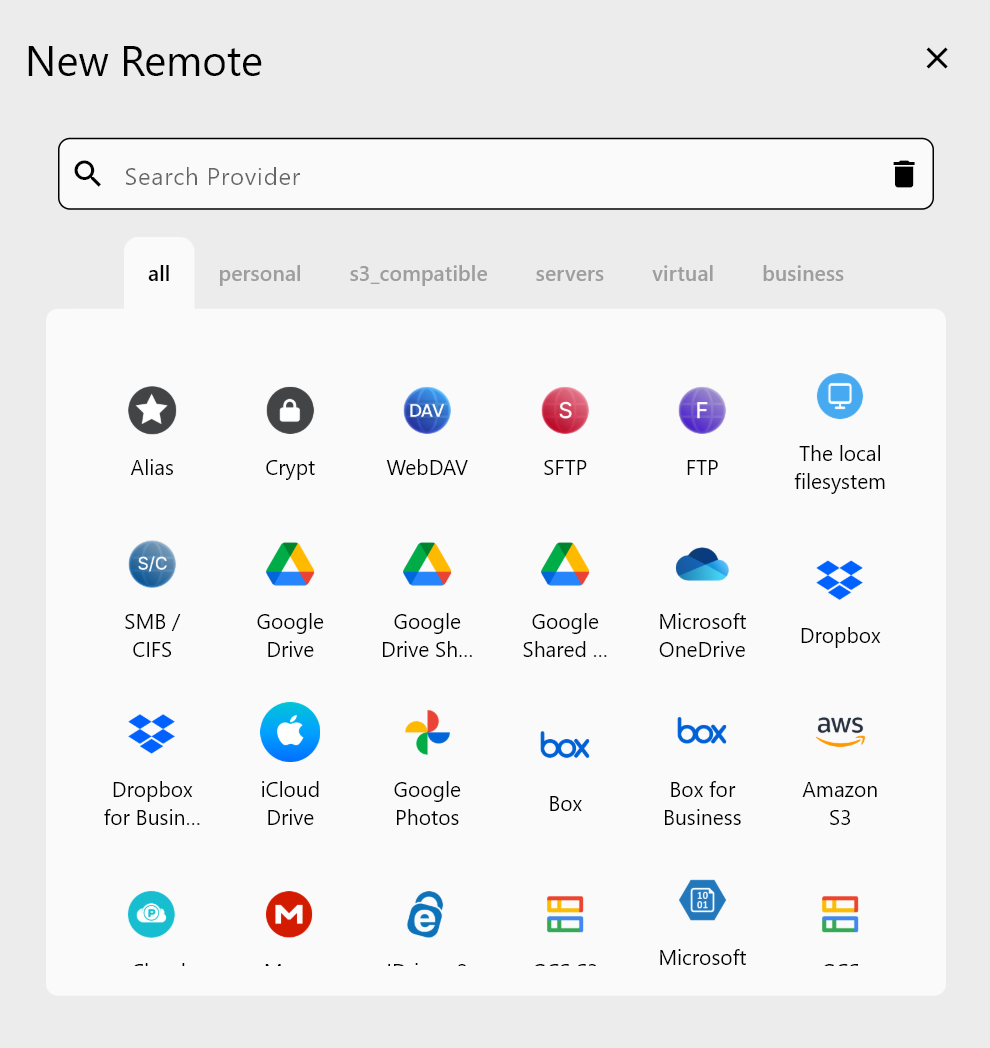
RcloneView already solves the hardest part of the equation: connecting to everything. With support for 70+ cloud providers, local storage, NAS devices, and SFTP/WebDAV endpoints, RcloneView has unified access to wherever your data lives.
This foundation makes AI-powered features practical in ways that single-provider tools can't match:
1) Cross-Cloud Visibility
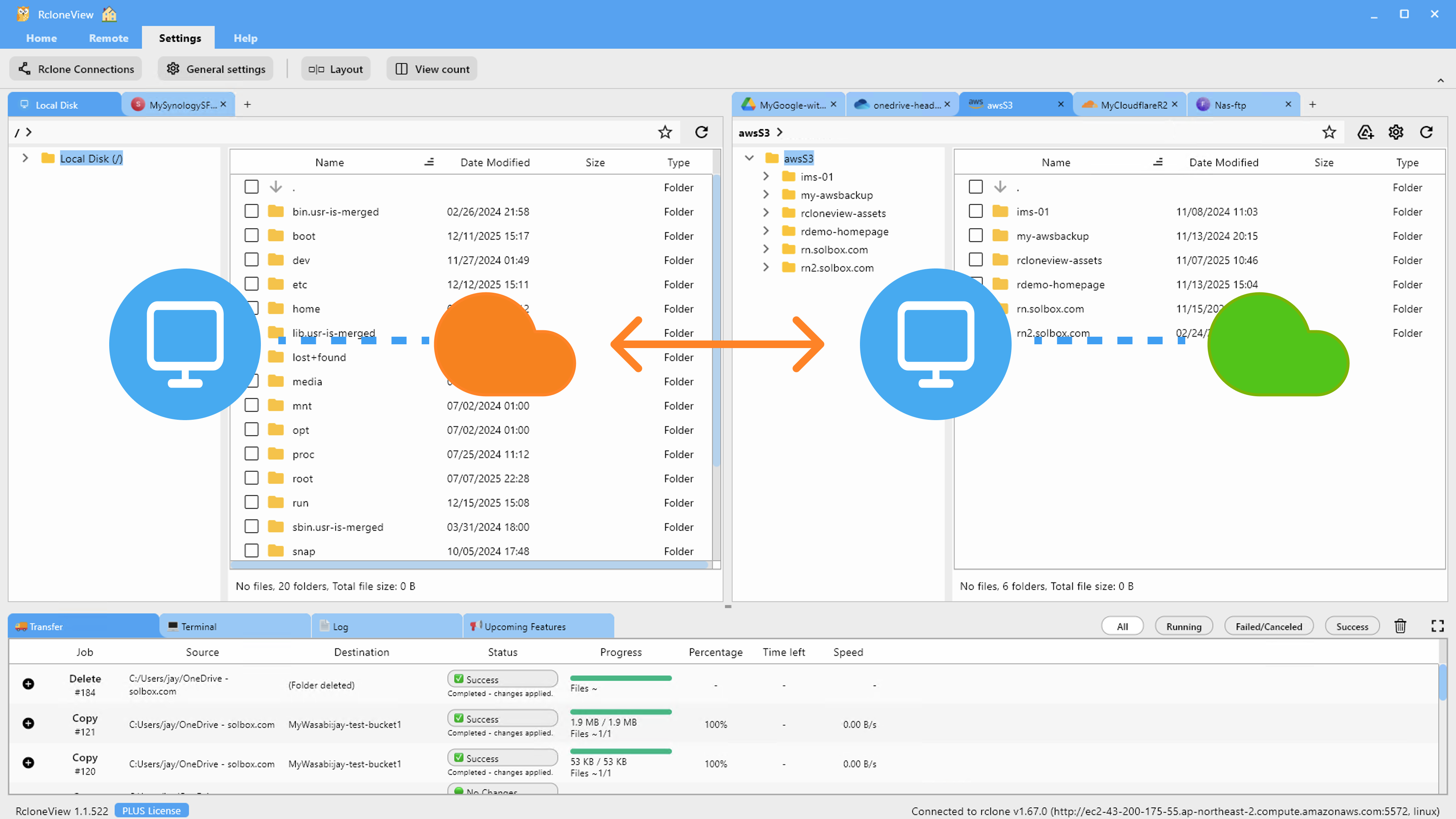
RcloneView's Explorer already lets you browse all your remotes in a unified interface. Adding AI-powered content analysis on top of this creates a cross-cloud semantic index — something no single-provider tool can offer.
2) Intelligent Comparison
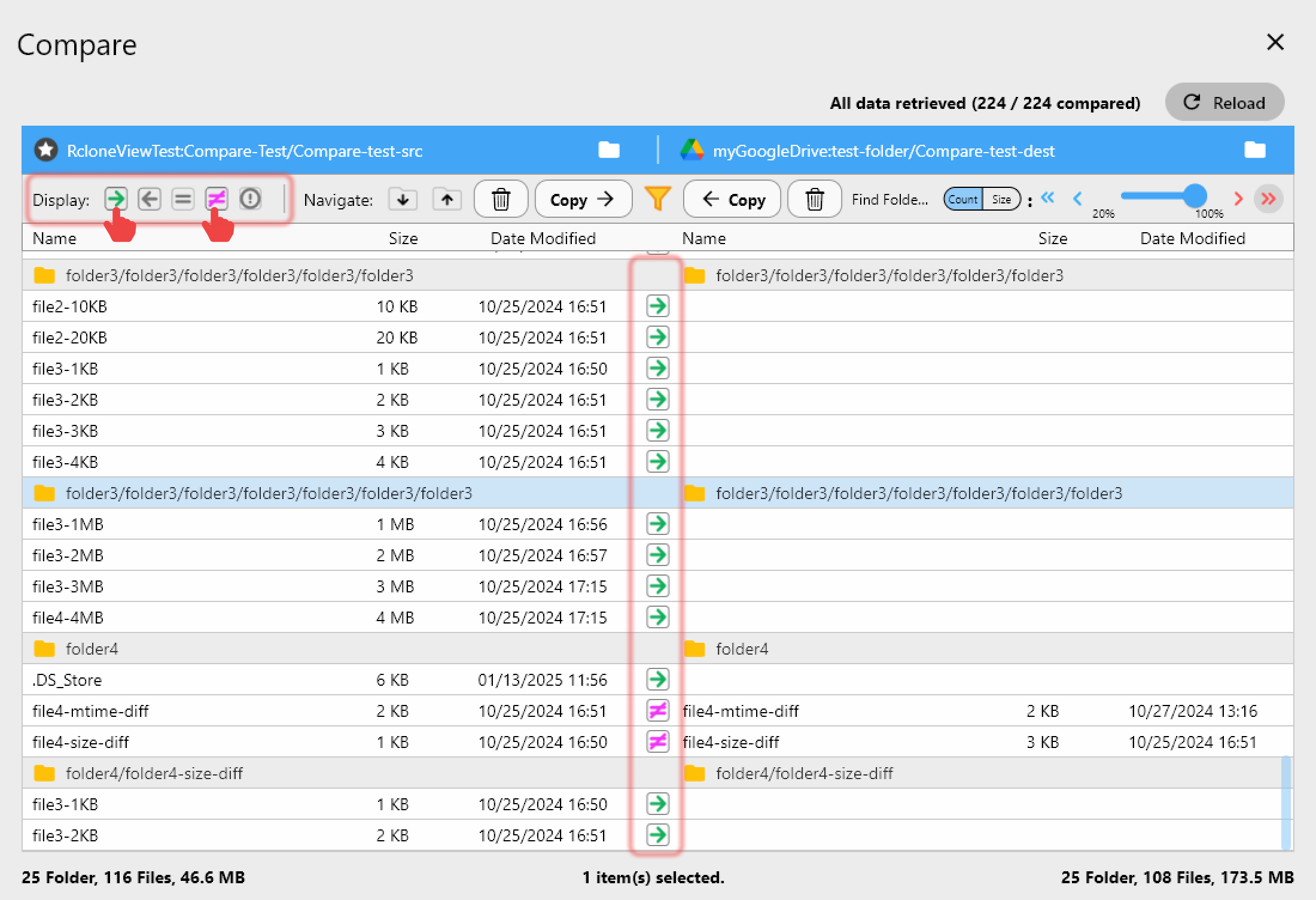
Today, Folder Comparison uses checksums and metadata to identify differences. Tomorrow, semantic comparison could understand that two files with different names are variants of the same document and suggest merging or archiving one.
3) Smart Job Recommendations
Currently, you manually create sync, copy, and move jobs. With AI analysis of access patterns and content types, RcloneView could suggest optimal jobs automatically: "These 500 files haven't been accessed in 6 months. Move them to Glacier to save $47/month?"
4) Content-Aware Sync Policies
Instead of syncing entire folders, semantic understanding enables policies like "Only sync documents tagged as 'active project' to the fast cloud tier" or "Automatically encrypt files containing PII before uploading."
The Roadmap: From Foundation to Intelligence
RcloneView's journey toward AI-powered file management follows a natural progression:
Phase 1: Foundation (Current — v1.0–v1.3)
What's already built:
- Multi-cloud connectivity (70+ providers)
- Job automation with scheduling and batch execution
- Real-time monitoring and transfer tracking
- Cross-platform notifications via Slack, Discord, and Telegram
- Folder comparison with checksum verification
- Built-in Terminal for advanced operations
Phase 2: Analytics and Insight
The next layer adds understanding to the existing infrastructure:
- Storage analytics — Which files are growing fastest? Which clouds are most cost-effective for your usage patterns?
- Access pattern tracking — Identify hot, warm, and cold data across all your remotes.
- Anomaly detection — Flag unusual sync patterns that might indicate ransomware, accidental deletion, or unauthorized access.
Phase 3: AI-Assisted Operations
With analytics data flowing, AI can start making actionable recommendations:
- Smart tiering suggestions — "Move 2.3 TB of cold data from S3 Standard to S3 Glacier Instant Retrieval. Estimated savings: $180/month."
- Duplicate detection — Identify and resolve redundant files across clouds using content fingerprinting.
- Predictive scheduling — Adjust job timing based on network conditions and provider API load patterns.
Phase 4: Semantic Intelligence
The ultimate vision — files managed by meaning:
- Natural language search across all connected remotes
- Automatic content tagging using vision and language models
- Policy-based routing — files automatically land in the right place based on what they are
- Compliance automation — sensitive data is flagged and handled according to configurable rules
What This Means for Different Users
For IT Administrators
Semantic file management means spending less time on manual classification and more time on strategic decisions. AI handles the organizing; you set the policies.
For Enterprise Teams
Cross-cloud search and automatic categorization mean no more "which cloud was that file in?" moments. Everyone finds what they need, instantly.
For Developers and Data Engineers
Content-aware sync policies enable sophisticated data pipelines — automatically routing raw data, processed results, and archives to the right storage tiers without manual intervention.
For Small Businesses
Affordable, intelligent storage optimization. AI recommendations help small teams maximize their cloud budgets without hiring dedicated storage administrators.
How to Prepare Today
Even before AI features arrive, you can set up your infrastructure to benefit from them:
- Centralize your remotes in RcloneView — The more connected your storage landscape, the more value AI analysis can provide. Add all your clouds now.
- Organize with consistent naming — While AI will eventually transcend naming conventions, clean structures accelerate the transition.
- Set up regular sync jobs — Scheduled jobs create the transfer history data that future analytics features will analyze.
- Enable notifications — Build the monitoring habits now that will become even more valuable with AI-powered alerts.
- Use Compare regularly — Folder Comparison habits build awareness of your data landscape.
Summary
The future of file management isn't about better folders or smarter filenames — it's about systems that understand your data and manage it intelligently. RcloneView's multi-cloud foundation, combined with job automation, real-time monitoring, and cross-platform notifications, creates the perfect platform for AI-powered semantic file management.
We're building toward a world where your storage organizes itself, optimizes its own costs, and finds files by meaning rather than location. The journey has started, and every feature in RcloneView today is a step toward that future.
Related Guides:
- Browse & Manage Remotes
- Compare Folder Contents
- Job Scheduling and Execution
- AI Training Dataset Pipeline
- RcloneView Batch Jobs
- Real-time Transfer Monitoring
Supported Cloud Providers