Back Up Zoho WorkDrive to Google Drive or S3 Automatically with RcloneView
Zoho WorkDrive is a solid collaboration tool, but what's your backup plan? If your Zoho subscription lapses or data gets accidentally deleted, an independent backup to Google Drive or S3 ensures nothing is lost.
Zoho WorkDrive is popular with businesses running the Zoho ecosystem — CRM, mail, projects, and shared file storage in one platform. But Zoho doesn't offer a native way to back up WorkDrive data to another cloud. If you need an independent copy for disaster recovery, compliance, or migration purposes, RcloneView fills the gap by connecting to WorkDrive via WebDAV.
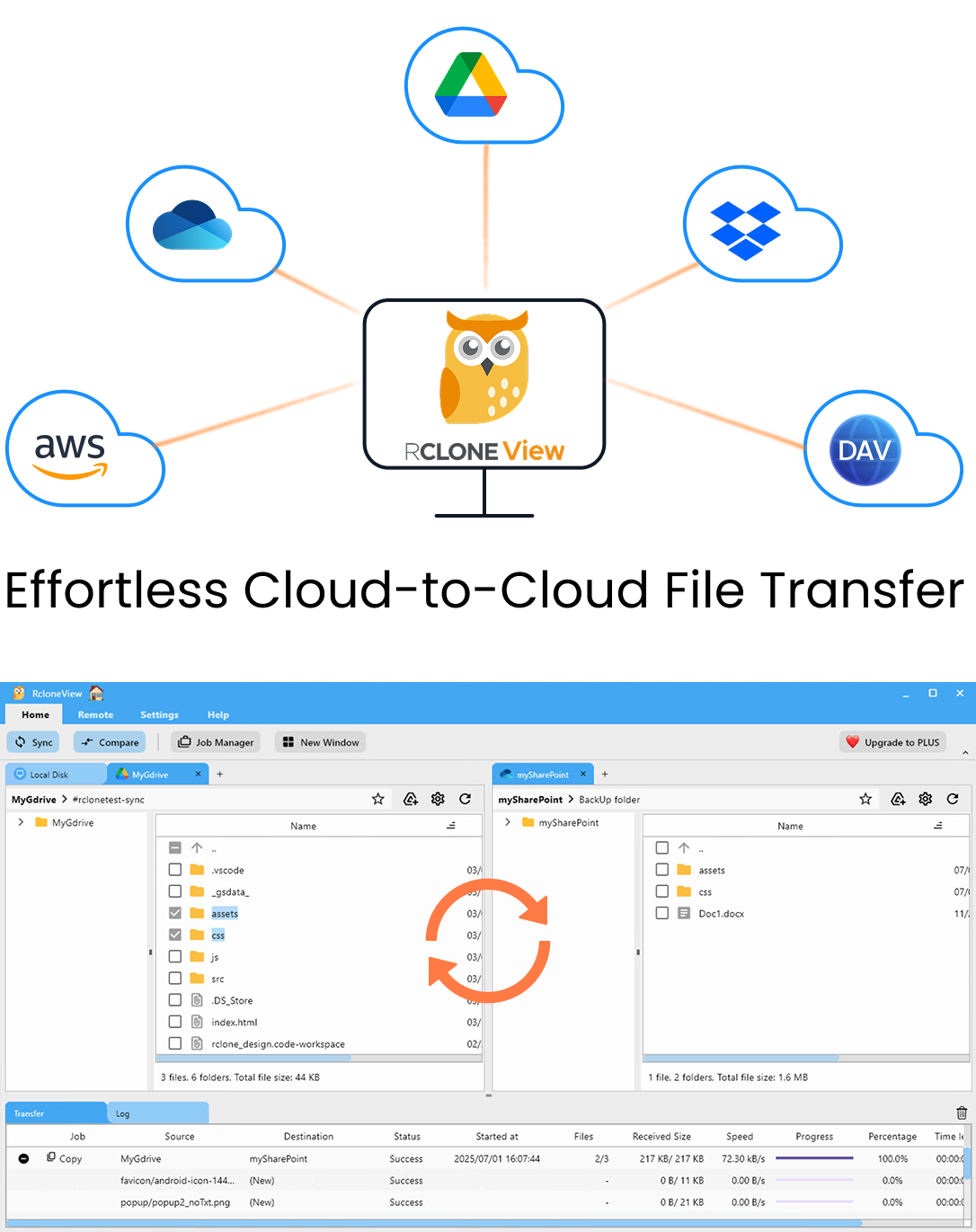
Manage & Sync All Clouds in One Place
RcloneView is a cross-platform GUI for rclone. Compare folders, transfer or sync files, and automate multi-cloud workflows with a clean, visual interface.
- One-click jobs: Copy · Sync · Compare
- Schedulers & history for reliable automation
- Works with Google Drive, OneDrive, Dropbox, S3, WebDAV, SFTP and more
Free core features. Plus automations available.
Why Back Up Zoho WorkDrive?
- No native cross-cloud backup — Zoho doesn't provide built-in export-to-S3 or export-to-GDrive functionality.
- Accidental deletion risk — Team members can delete shared files. Without an external backup, recovery may be impossible.
- Subscription dependency — If your Zoho plan expires or gets downgraded, file access may be restricted.
- Compliance requirements — Some regulations require data stored in multiple independent locations.
- Migration flexibility — If you ever decide to switch from Zoho to Google Workspace or Microsoft 365, having a backup makes the transition seamless.
Connecting Zoho WorkDrive via WebDAV
Zoho WorkDrive supports WebDAV access, which RcloneView connects to natively:
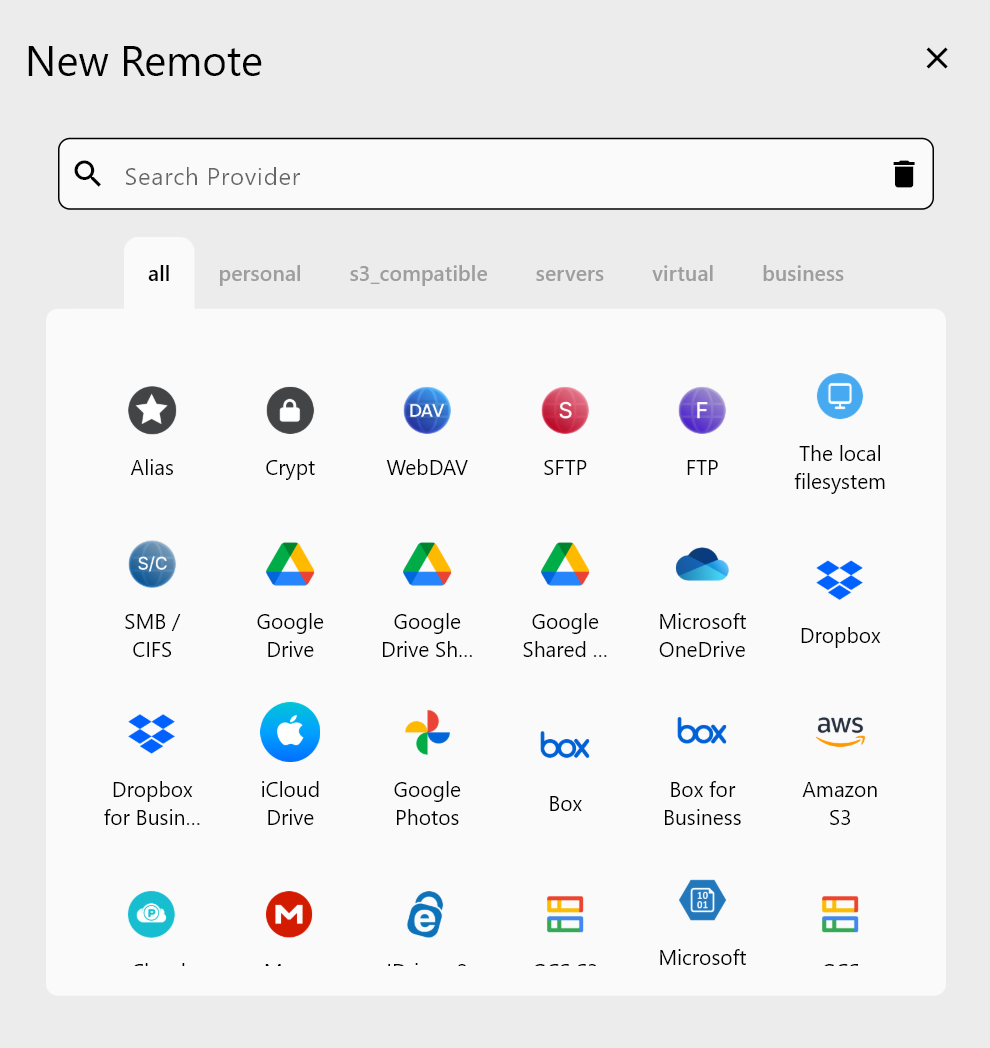
- Open RcloneView and click Add Remote.
- Select WebDAV from the provider list.
- Enter your Zoho WorkDrive WebDAV details:
- URL: Your Zoho WorkDrive WebDAV endpoint.
- Username: Your Zoho email.
- Password: An app-specific password from Zoho security settings.
- Save — your WorkDrive files and folders are now browsable.
For WebDAV setup details, see the WebDAV connection guide.
Browsing Your WorkDrive Files
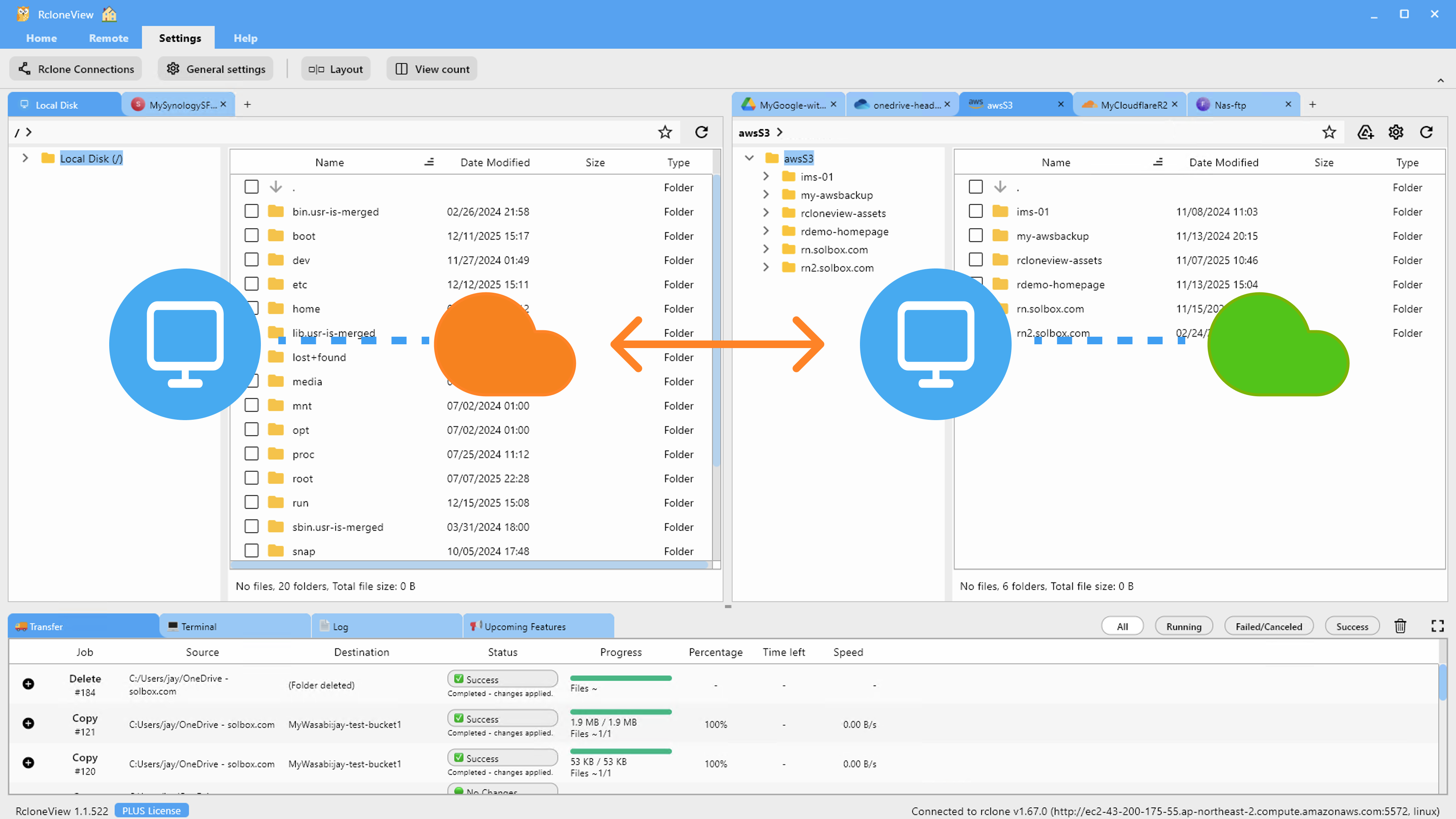
Once connected, browse your entire WorkDrive in the two-pane Explorer:
- View team folders, personal files, and shared spaces.
- Check file sizes to estimate backup storage needs.
- Identify critical folders that need priority backup.
Backup to Google Drive
- Add Google Drive as a second remote (via OAuth login).
- Create a Copy job: Zoho WorkDrive → Google Drive folder.
- Run the initial backup — all files transfer with folder structure preserved.
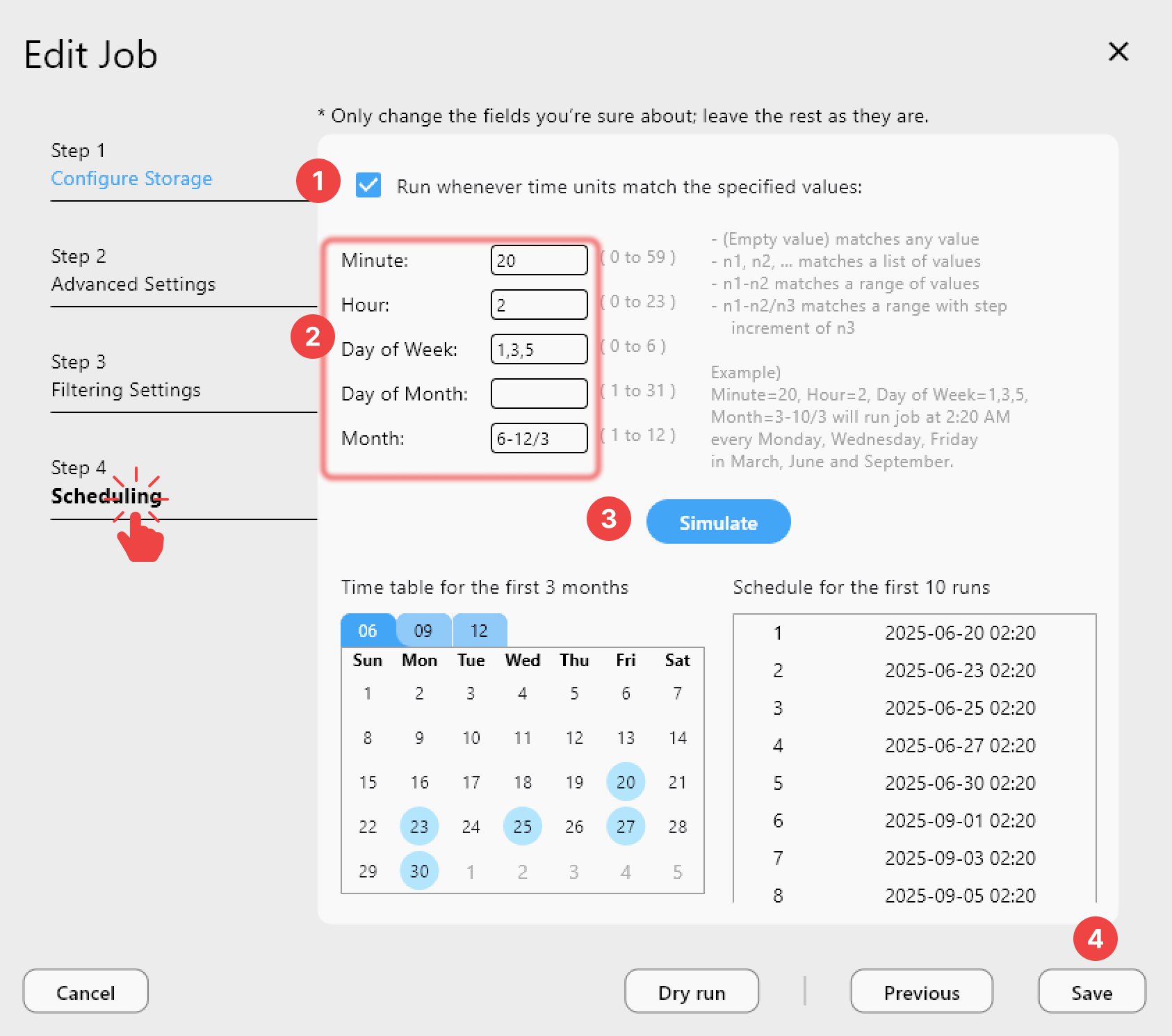
- Schedule daily with Job Scheduling for automatic incremental updates.
Backup to AWS S3
- Add S3 as a remote (S3 setup guide).
- Create a Copy job: Zoho WorkDrive → S3 bucket.
- Schedule for nightly runs.
- Use S3 lifecycle policies to move old backups to Glacier for cost savings.
Verify Your Backup
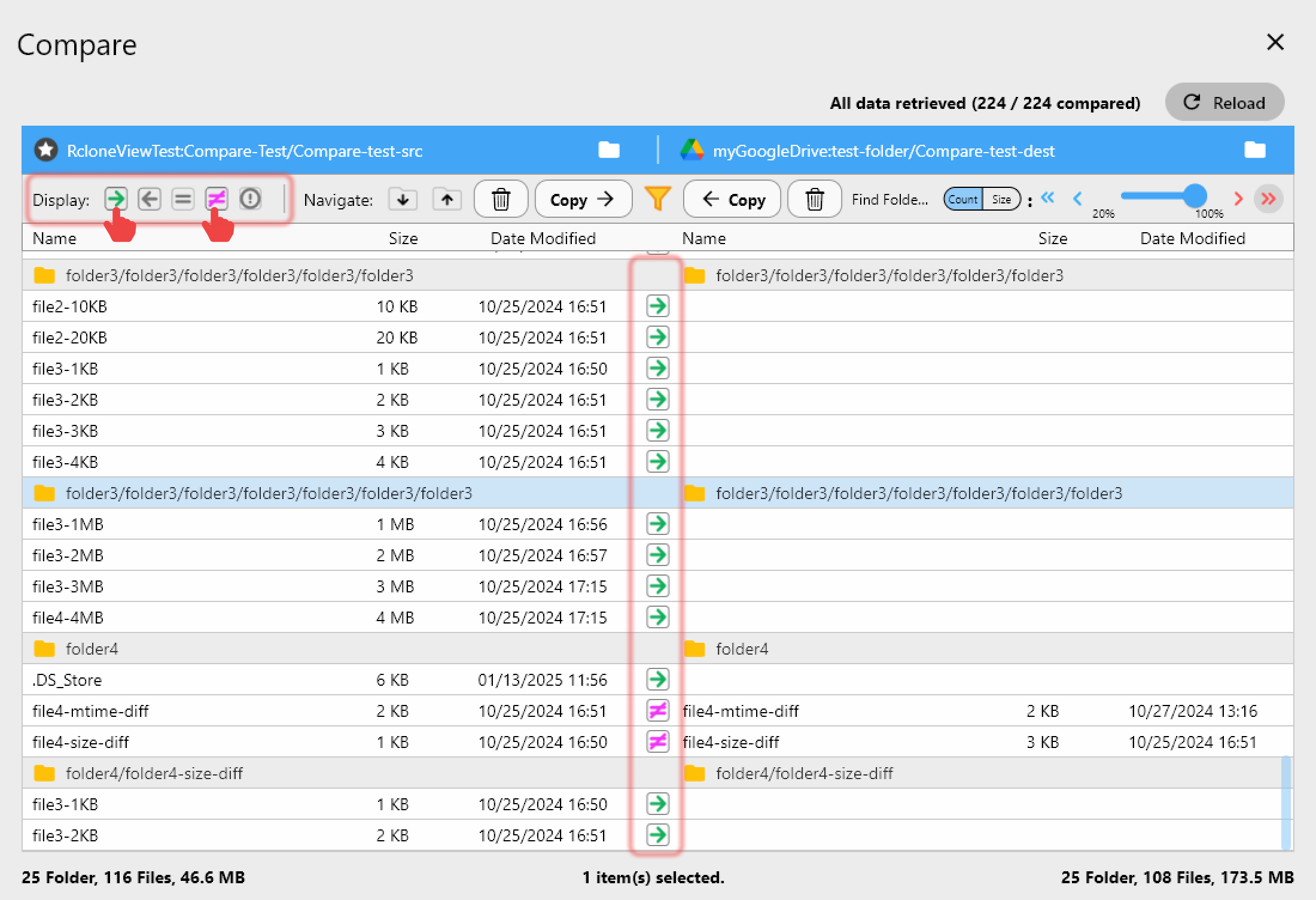
After each backup run, use Folder Comparison to confirm completeness:
Automate and Monitor
- Schedule backups to run daily at off-peak hours.
- Get notifications via Slack or Telegram.
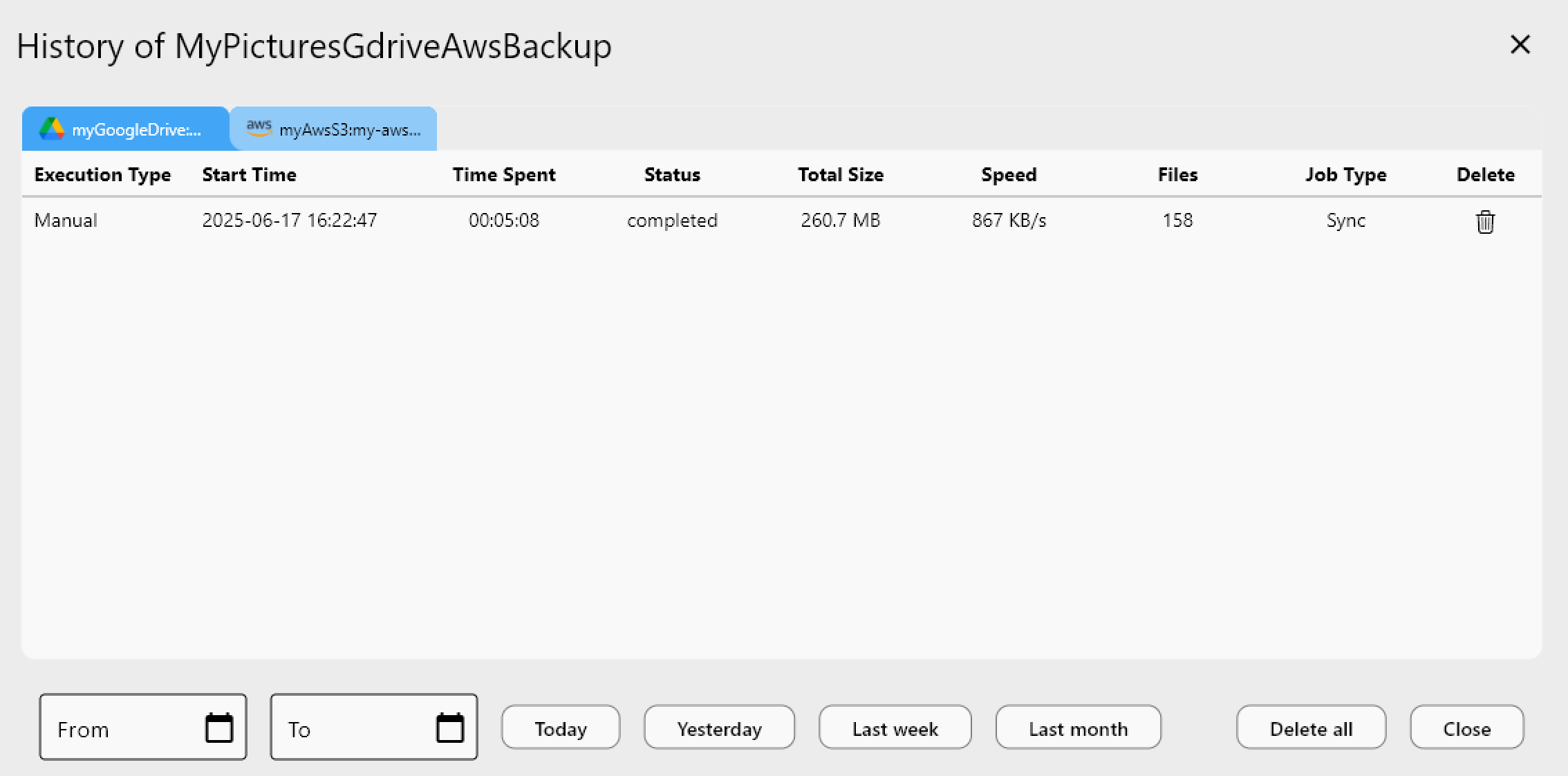
- Review Job History to track all backup runs.
Getting Started
- Download RcloneView from rcloneview.com.
- Add Zoho WorkDrive via WebDAV.
- Add your backup destination (Google Drive, S3, external drive).
- Create a Copy job and schedule it.
- Verify with Folder Comparison.
Don't let your Zoho WorkDrive data exist without a backup plan. RcloneView gives you automated, verified backups to any cloud — for the peace of mind Zoho doesn't provide natively.
Related Guides:
- Add WebDAV
- Add Remote via Browse-based Log-in (OAuth)
- Add AWS S3 and S3-Compatible
- Compare Folder Contents
- Job Scheduling
Supported Cloud Providers