Checksum-Verified Cloud Migrations with RcloneView (Drive, Dropbox, S3, R2)
· 4 min read
Move petabytes only once. Use RcloneView to sync, verify with checksums, and catch drift before you switch apps over.
Copying from Google Drive to Dropbox or S3 to R2 is easy—proving every object arrived intact is harder. Rclone has battle-tested checksum and compare modes; RcloneView wraps them in a GUI so you can run integrity-checked migrations with schedules, logs, and zero shell scripts.
Relevant docs
- Create Sync Jobs: https://rcloneview.com/support/howto/rcloneview-basic/create-sync-jobs
- Job Scheduling & Execution (Plus): https://rcloneview.com/support/howto/rcloneview-advanced/job-scheduling-and-execution
- Compare folders: https://rcloneview.com/support/howto/rcloneview-basic/compare-folder-contents
- Mount as local drive: https://rcloneview.com/support/howto/rcloneview-basic/mount-cloud-storage-as-a-local-drive
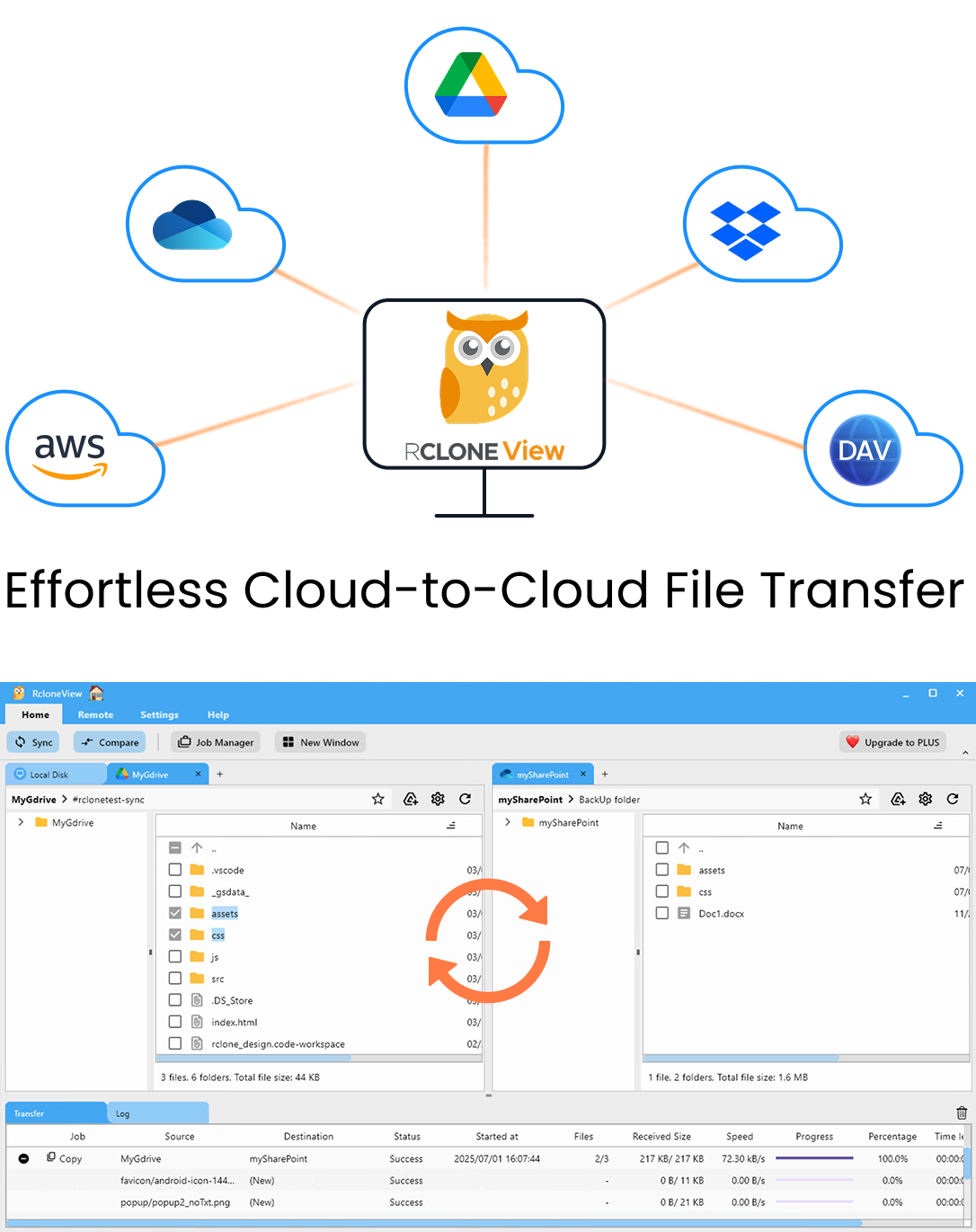
Manage & Sync All Clouds in One Place
RcloneView is a cross-platform GUI for rclone. Compare folders, transfer or sync files, and automate multi-cloud workflows with a clean, visual interface.
- One-click jobs: Copy · Sync · Compare
- Schedulers & history for reliable automation
- Works with Google Drive, OneDrive, Dropbox, S3, WebDAV, SFTP and more
WindowsmacOSLinux
Get Started Free →Free core features. Plus automations available.
Why checksum-verified migrations
- Avoid silent corruption: checksums detect bitrot and partial uploads.
- Faster cutovers: Compare highlights mismatches before you flip endpoints.
- Multi-cloud ready: Works across Drive, Dropbox, OneDrive, S3, Wasabi, R2, B2, and NAS.
- Zero scripting: Build, schedule, and re-run jobs visually.
Migration blueprint
[Source cloud/NAS] --(RcloneView Sync with checksum enabled)--> [Target cloud]
                                           \
                                            --(RcloneView Compare)--> [Drift report]
- Stage 1: Baseline Sync with checksum to upload everything once.
- Stage 2: Incremental Syncs on a schedule to shrink cutover window.
- Stage 3: Compare to confirm object counts and hashes match.
- Stage 4: Cutover/Mount the target for production use.
Prerequisites
- Remotes added in RcloneView for both source and target (e.g.,
drive:team,dropbox:prod,s3:archive,r2:mirror). - Target has enough quota and, if S3-compatible, versioning enabled for safety.
- API/IAM keys allow list/read/write and, for S3, multipart uploads.
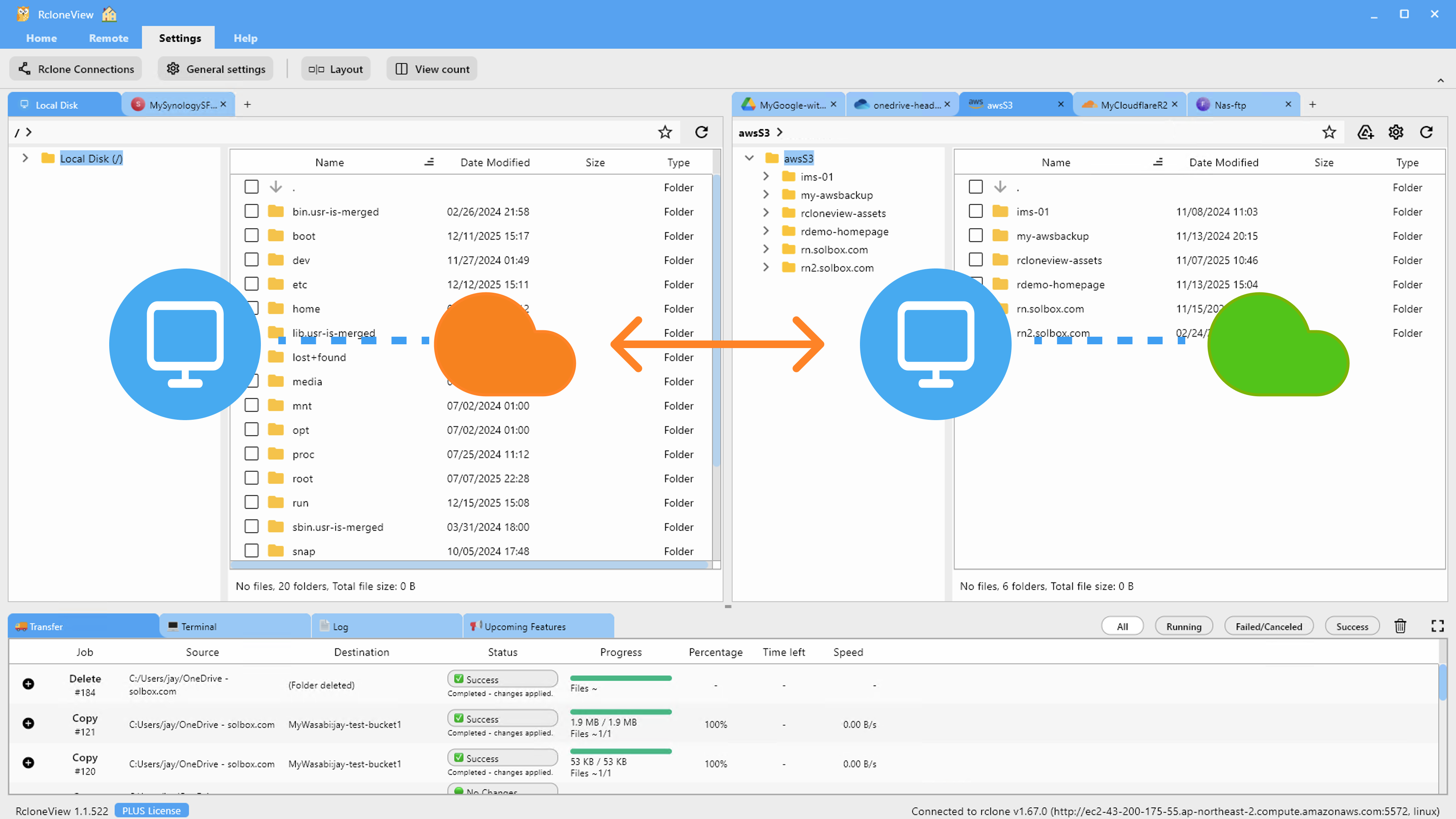
Step 1: Create a checksum Sync job
- New Sync job: Source = current system, Destination = target cloud.
- In Advanced Settings, enable checksum comparison if both remotes support hashes, and set transfer/checker counts to fit your link.
- In Filtering Settings, add include/exclude filters for cache/temp folders.
- Save the job so reruns keep the same integrity settings (Job Manager).
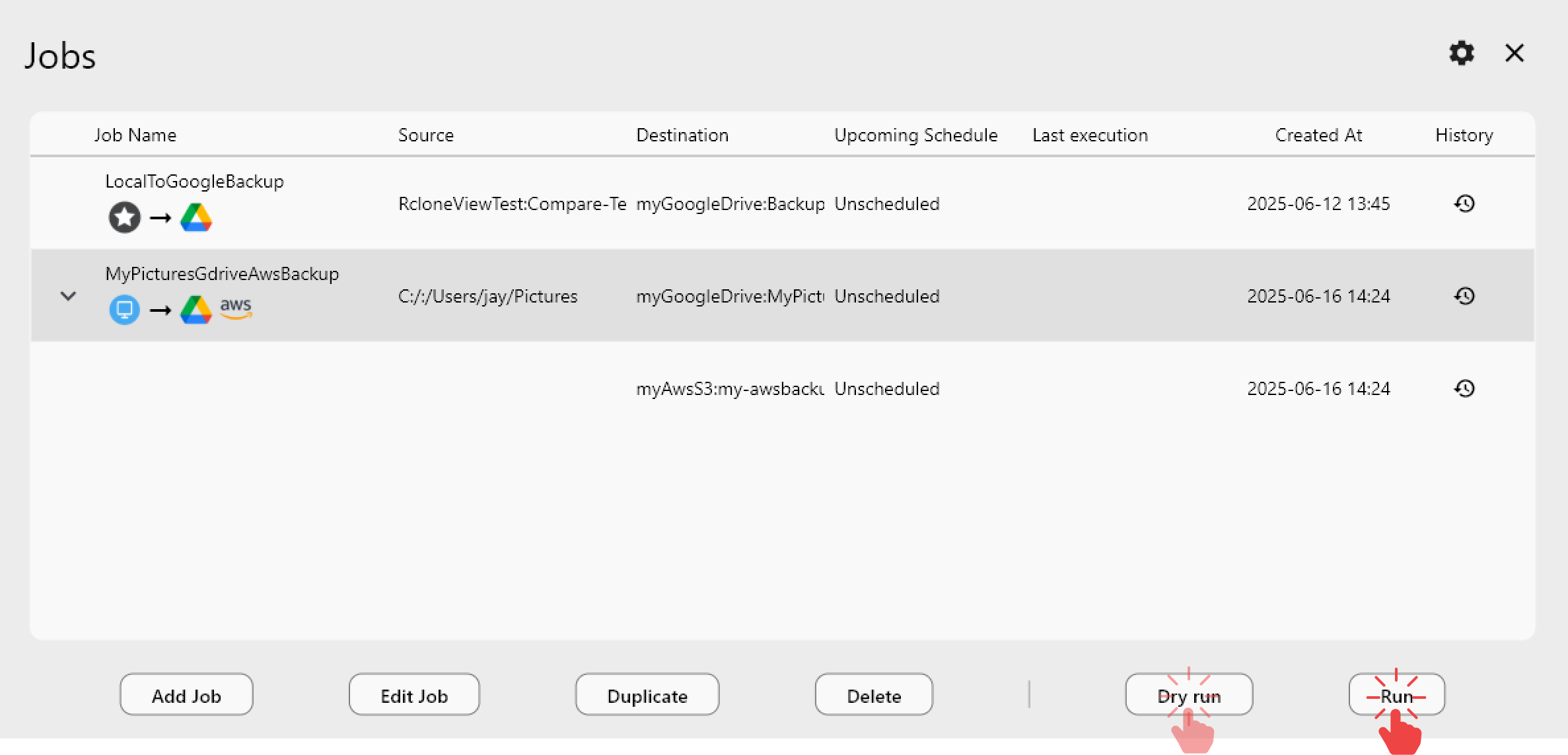
Step 2: Schedule incremental runs
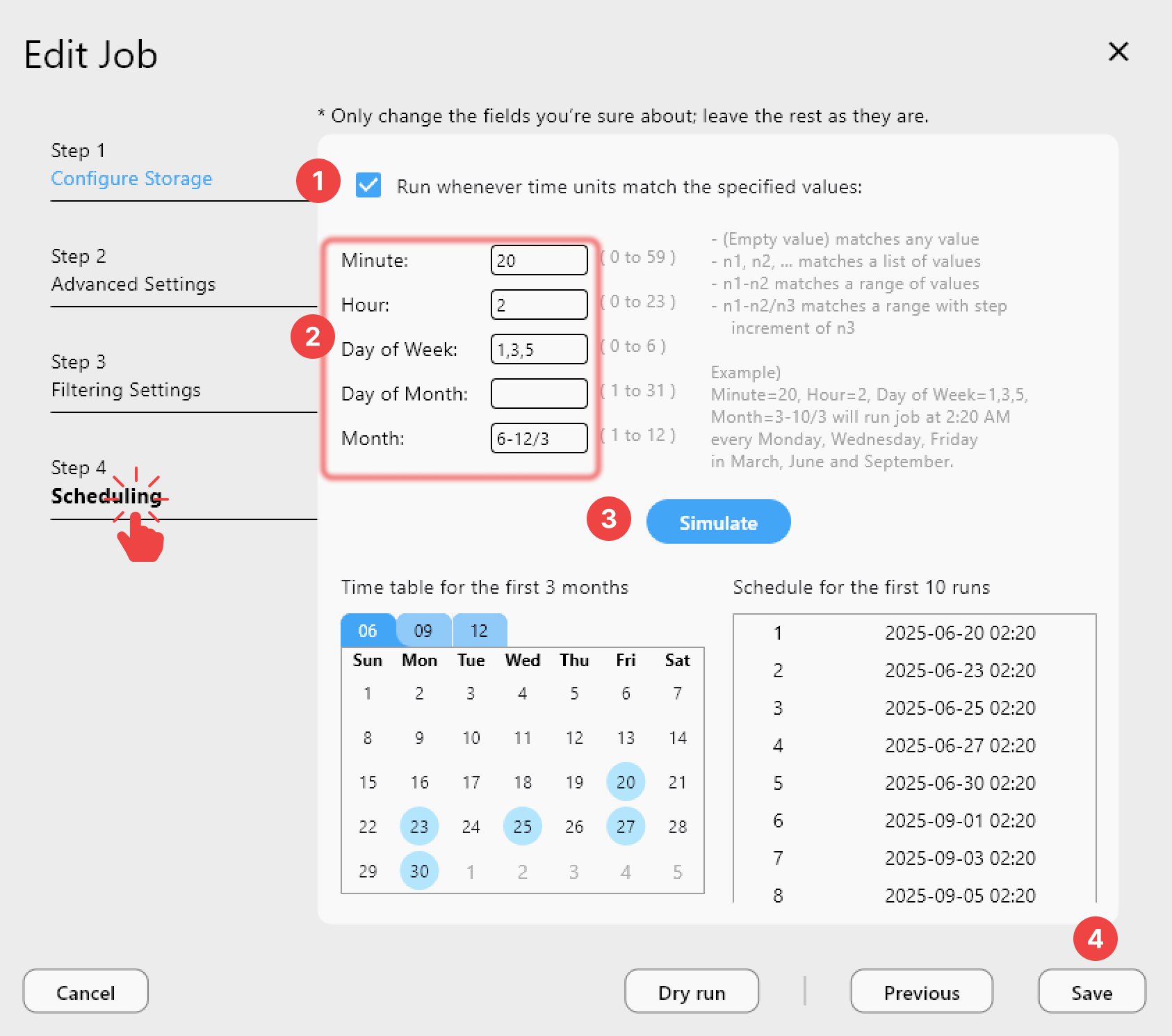
- In the Job wizard (Step 4: Scheduling, Plus), enable scheduling for the migration job.
- Run nightly or hourly to reduce the final cutover delta; use Simulate to preview runs.
- Set retry attempts in Advanced Settings for throttling.
- Logging and history are saved automatically; review Job History for audit notes.
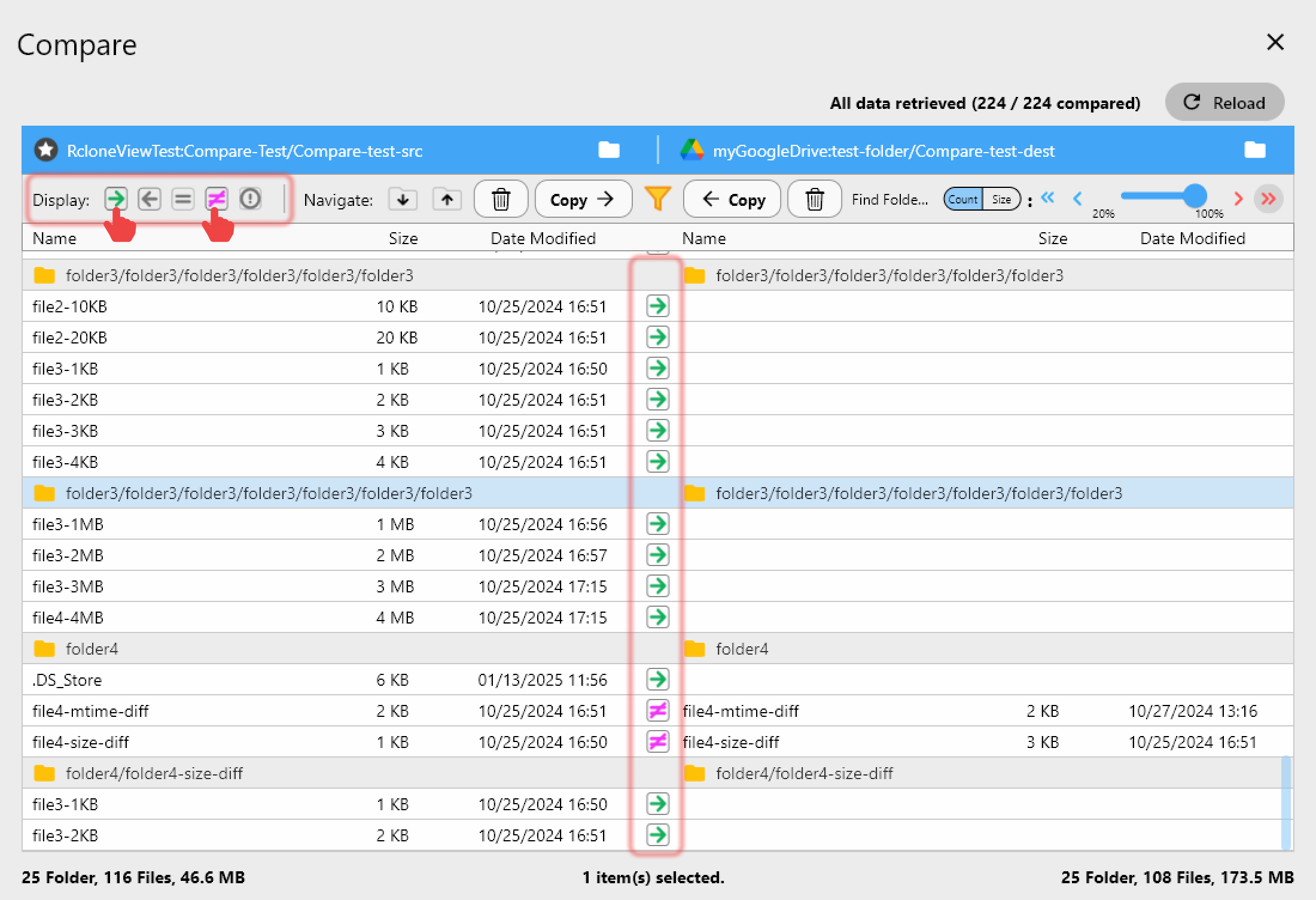
Step 3: Verify with Compare
- After the baseline, run Compare between source and target to validate content, not just size.
- Add a weekly Compare routine to catch late drift (run manually from Compare; scheduler applies to jobs only).
- Check the report/logs for mismatches; re-run Sync to fix only the differences.
Step 4: Cutover safely
- Freeze writes on the source (maintenance window).
- Run a final Sync with checksum enabled to close the gap.
- Run Compare one last time; expect zero mismatches.
Tuning tips
- High latency links: lower transfer counts; for large media, keep multi-thread transfers enabled if the backend supports it.
- Mixed clouds: if a provider lacks checksums, rely on size/time matching and confirm critical data manually.
- Bandwidth caps: set limits in settings during business hours; schedule heavier runs overnight.
- Safety net: keep versioning on the target; use Object Lock where supported.
Troubleshooting checklist
- Mismatch counts: rerun Compare; verify both sides expose hashes (some providers lack checksum support).
- Slow verifies: reduce checker/transfer counts if the link is saturated.
- AccessDenied on S3 uploads: ensure multipart and list permissions are granted.
- Deleted files reappear: remove delete flags only after the final cutover if you need strict mirroring.
Checksum every migration, and you only have to move the data once.
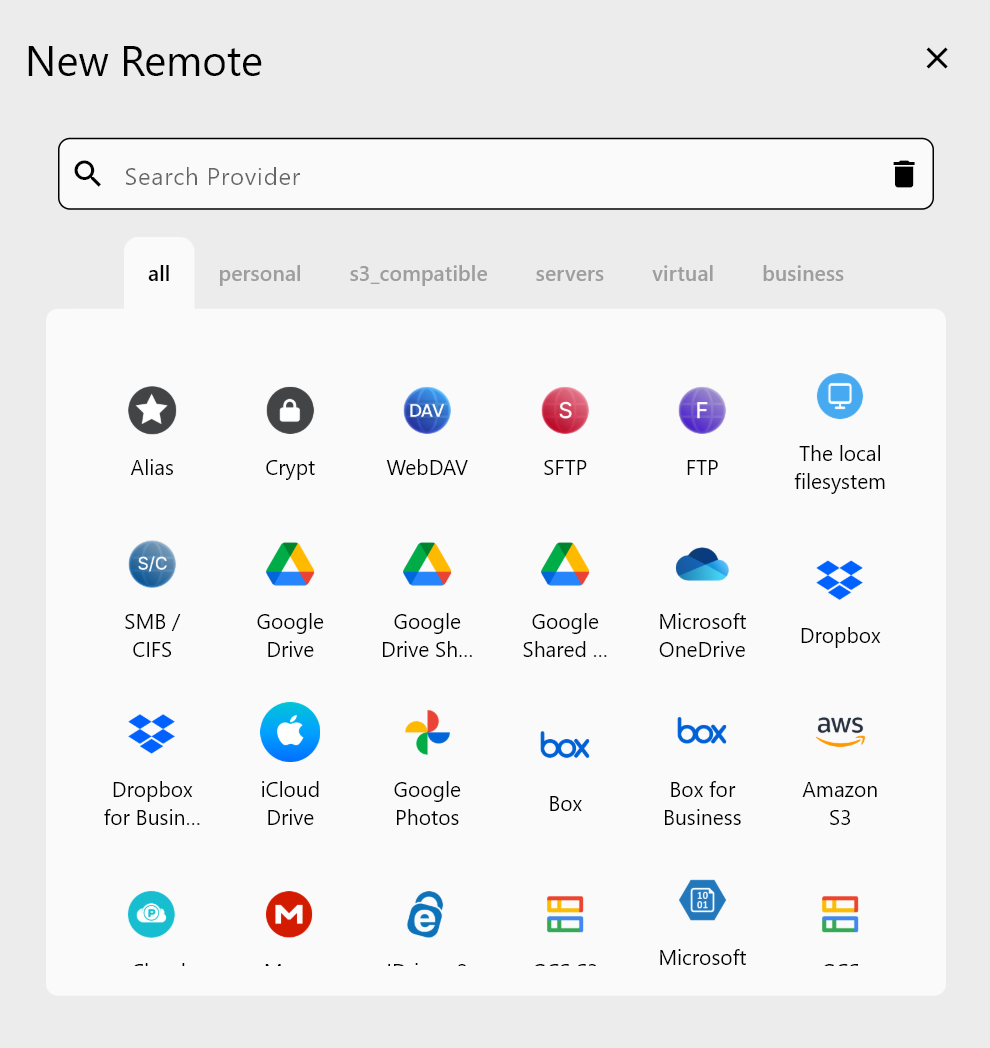
Supported Cloud Providers