RcloneView Compliance-Ready Cloud Journaling Blueprint for Regulated Teams
Every examination demands a replay of who touched which file, when it changed, and where the latest copy lives today.
Financial, healthcare, broadcast, and legal teams live and die by audit-ready evidence. Regulators expect journaled copies of SaaS activity with immutable retention, but native tools rarely scale across tenants, regions, or complex folder trees. RcloneView layers a visual workflow on top of rclone so you can capture every mutation across Google Workspace, Microsoft 365, Dropbox, Box, S3, Wasabi, or on-prem shares without writing scripts.
With multi-cloud Explorer panes, Compare previews, Sync/Copy/Mount templates, and a reliable scheduler, you can build an always-on journal that feeds warm storage for restores and cold storage for legal holds using the same declarative job.
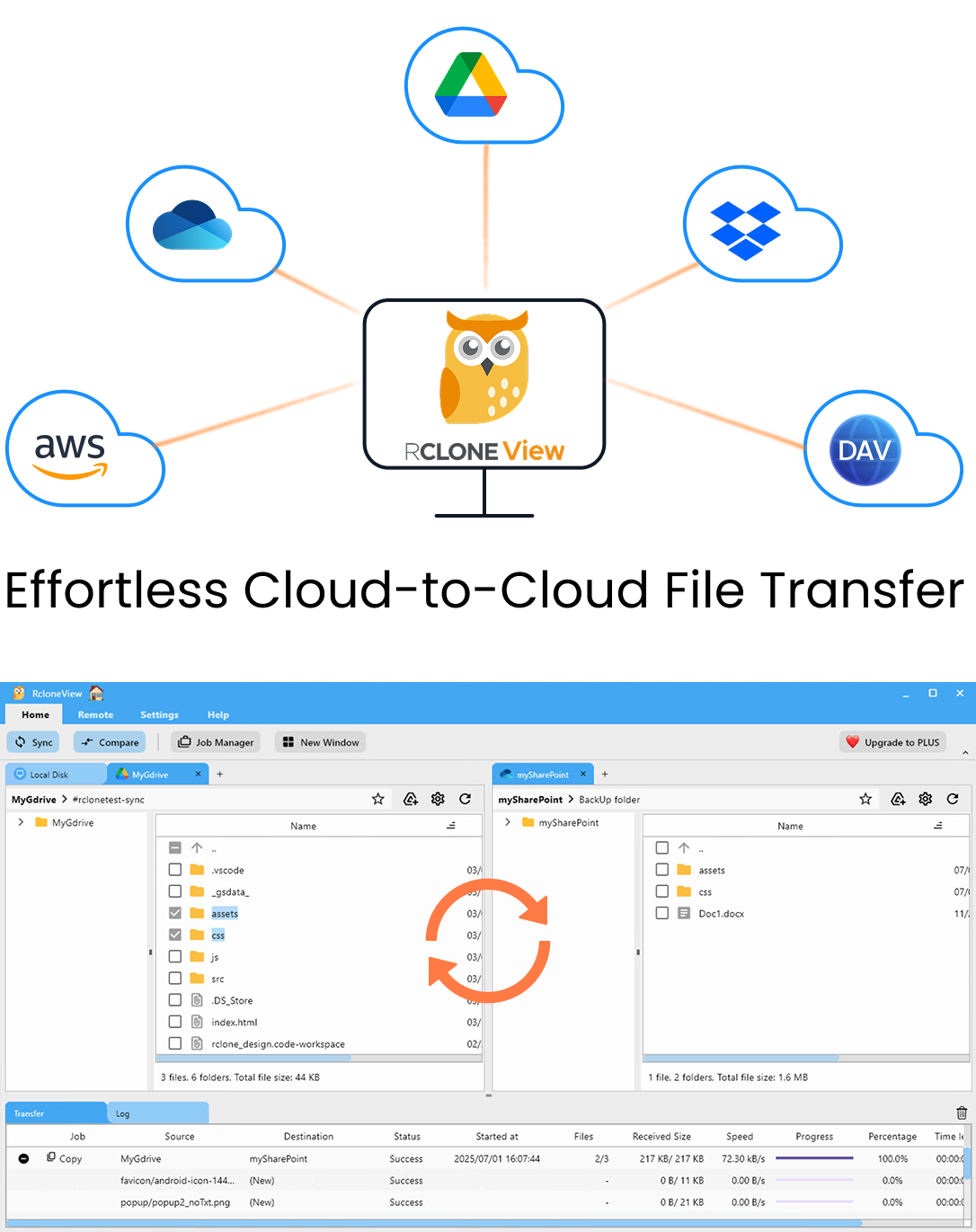
Manage & Sync All Clouds in One Place
RcloneView is a cross-platform GUI for rclone. Compare folders, transfer or sync files, and automate multi-cloud workflows with a clean, visual interface.
- One-click jobs: Copy · Sync · Compare
- Schedulers & history for reliable automation
- Works with Google Drive, OneDrive, Dropbox, S3, WebDAV, SFTP and more
Free core features. Plus automations available.
Why Regulated Teams Need a Cloud Journal Layer
- Evidence clocks never stop: SEC 17a-4, HIPAA, CJIS, and SOC 2 demand that deleted or amended files remain discoverable for 5–10 years with provable checksums.
- Multi-cloud reality: Marketing thrives in Google Drive, finance locks spreadsheets in OneDrive, engineers archive to S3 or Wasabi. Manual exports cannot keep every silo in sync.
- Ransomware and insider edits: Without immutable, verified journals you cannot show when tampering happened or prove that remediation copies stayed untouched.
RcloneView centralizes those needs by orchestrating rclone's mature transports behind a GUI that anyone on compliance, IT, or DevOps can run.
Blueprint: Multi-Cloud Evidence Vault Powered by RcloneView
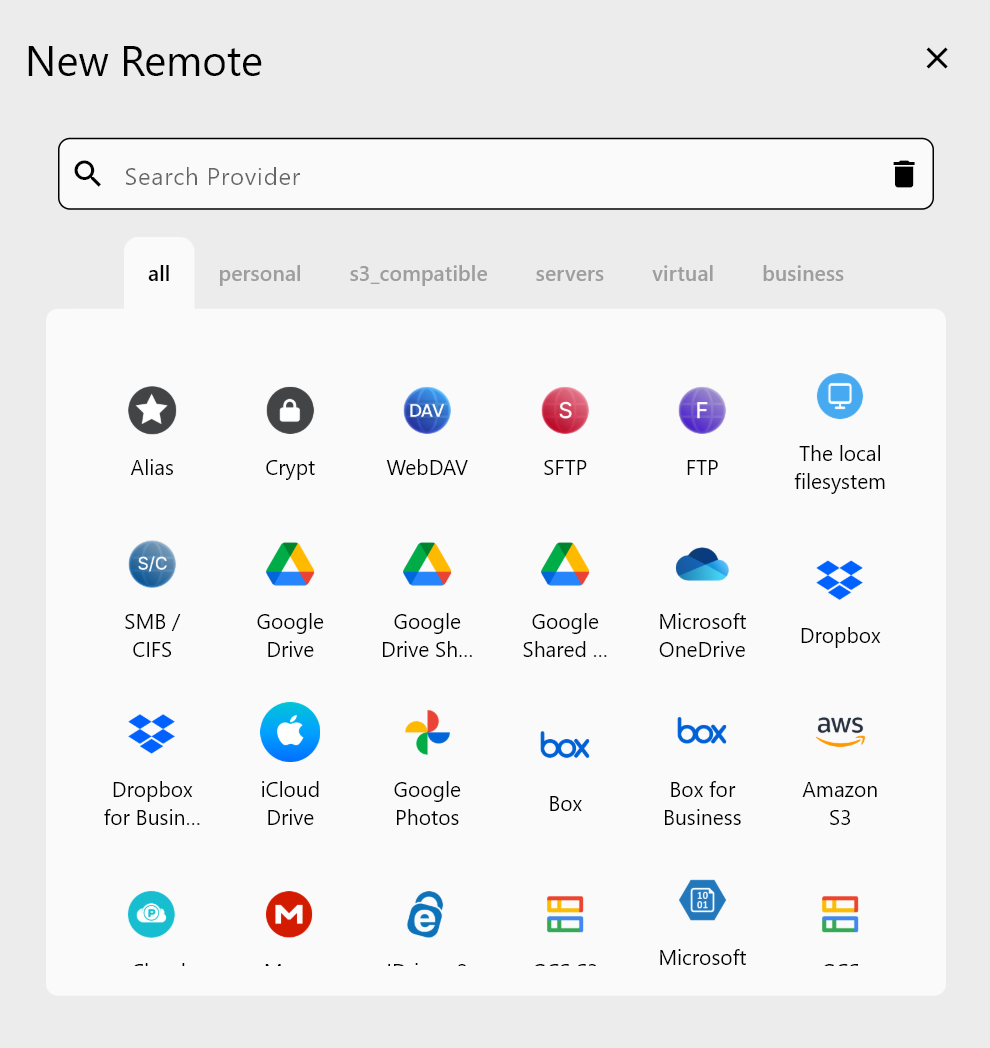
- Multi-cloud collectors — Register every tenant, share, and bucket in Remote Manager using vendor-specific guides such as Add SharePoint for Business or Add Google Shared Drive. Connection templates keep refresh tokens isolated per business unit.
- Journal pipelines — Use the Copy and Sync recipes from Create Sync Jobs and Synchronize Remote Storages to mirror production folders into S3, Wasabi, Backblaze B2, or Cloudflare R2 buckets with Object Lock turned on.
- Controlled reviewer access — Legal or audit teams mount vaults in read-only mode via Mount cloud storage as a local drive so they can open exhibits without copying data elsewhere.
This pattern satisfies the multi-cloud, compare, sync, mount, and scheduler pillars baked into RcloneView's product DNA.
Step 1 — Harden Connectors and Identity Controls
- Launch Remote Manager and add service accounts for each regulated workload. The per-provider wizards ensure OAuth scopes stay minimal while still supporting journaling.
- Visit General Settings to set a config password so rclone configuration files remain encrypted at rest.
- Label remotes by business unit (
workspace-journal,sharepoint-clients,wasabi-litigation) and keep their root paths scoped to only the folders that need journaling. See Browse and manage remote storage for naming conventions. - When a platform lacks APIs (legacy SMB, lab NAS), mount it once with system credentials and expose the path through RcloneView; the journal job treats it like another remote.
Once connectors are locked down, export an encrypted backup of your rclone.conf and drop it into the immutable vault for disaster recovery.
Step 2 — Build Write-Once Journaling Jobs
RcloneView's job designer lets you choose Copy, Sync, or Move. For compliance, use Copy for append-only vaults and Sync when the evidence repository must reflect live folder state (paired with Object Lock or versioned buckets).
-
Open Jobs → New and select the Copy or Sync template documented in Create Sync Jobs.
-
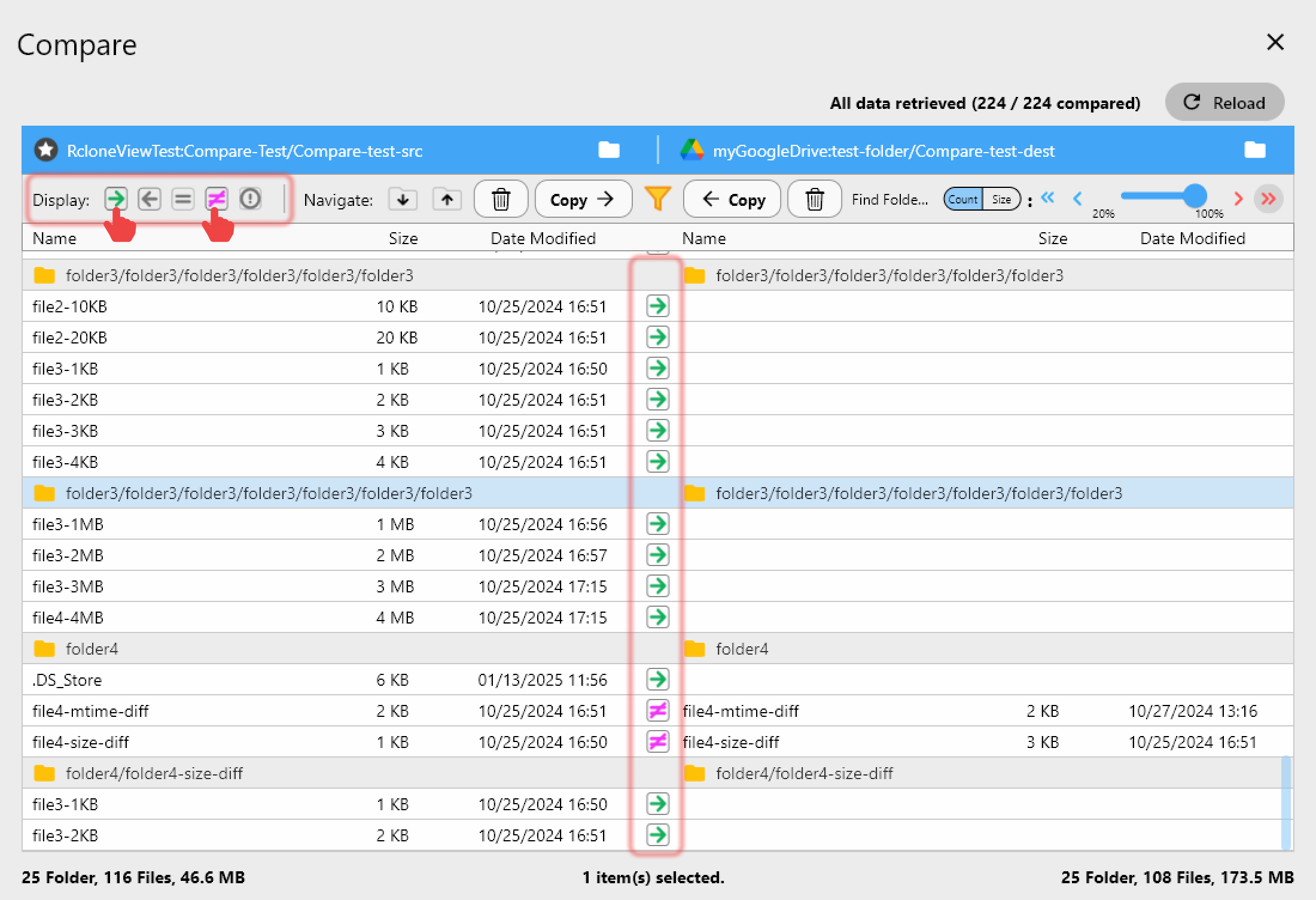
Pick source and target remotes in the dual-pane Explorer. Use Compare folder contents to preview additions, removals, and changed hashes before anything is written.
Step 3 — Automate Evidence Capture with Scheduler
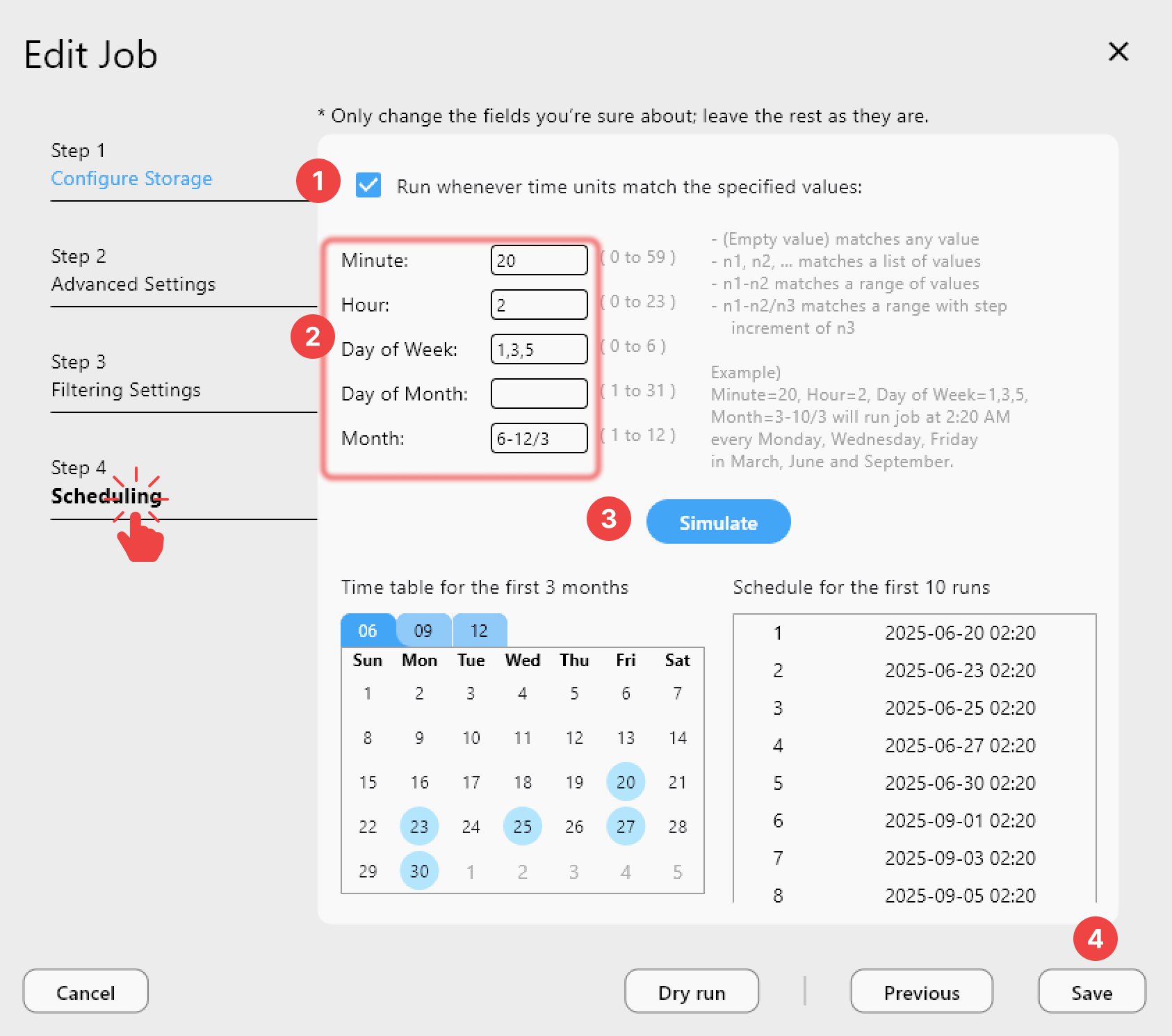
The scheduler keeps journals running even when laptops sleep or admins rotate. Open Scheduler → Enable (documented in Job scheduling and execution) and assign cadences per job:
-
Intraday for trading desks or collaborative design folders. Limit concurrency to avoid API throttles and cap bandwidth so production traffic stays smooth.
-
Nightly for general document hubs plus database dumps arriving on NAS shares.
Step 4 — Verify, Seal, and Surface Proof
Verification is what convinces examiners that the journal is trustworthy:
- Watch progress via Real-time transfer monitoring so you can capture timestamps and throughput in screenshots.
- Use Execute and manage job to export execution logs; store them next to the journaled data for nonrepudiation.
These steps create a chain of custody that links the source workload, transfer job, verification report, and storage location.
Suggested Compliance Runbook
| Cadence | RcloneView action | Evidence produced |
|---|---|---|
| Daily | Nightly Copy job (Workspace → Wasabi Object Lock) + Compare diff email | Transfer log, compare screenshot |
| Weekly | Scheduler-triggered Check job (SharePoint → S3 Glacier) | job execution export |
| Quarterly | Review scheduler matrix, rotate service credentials, and retest restores | Updated credential inventory, restore transcript |
FAQ: Share Evidence Without Breaking Chain of Custody
Can reviewers browse data without copying it?
Yes. Use Mount Manager plus the tutorial in Mount cloud storage as a local drive to attach the immutable bucket in read-only mode for paralegals, QA, or regulators.
Can we keep hot and cold copies simultaneously?
Absolutely. Create two destinations inside the same job: a hot Wasabi bucket for fast restores and a Glacier/R2 bucket for 7-year retention.
RcloneView turns rclone's proven engine into a guided experience so compliance, IT, and legal teams can all participate in protecting critical records. Build the journal once, schedule it, and you will always have the evidence regulators demand.
Supported Cloud Providers