Mount pCloud as a Local Drive on Windows & macOS with RcloneView — Access Your Files Without Syncing
Skip full syncs. Mount pCloud as a local drive with RcloneView, browse in Explorer or Finder, and stream files on demand with tuned cache settings.
pCloud gives you flexible cloud storage, but copying everything to every machine wastes time and disk. With RcloneView you can mount pCloud like a local drive letter or volume, fetch files on demand, and keep bandwidth under control. No CLI flags to memorize; just connect, mount, and go.
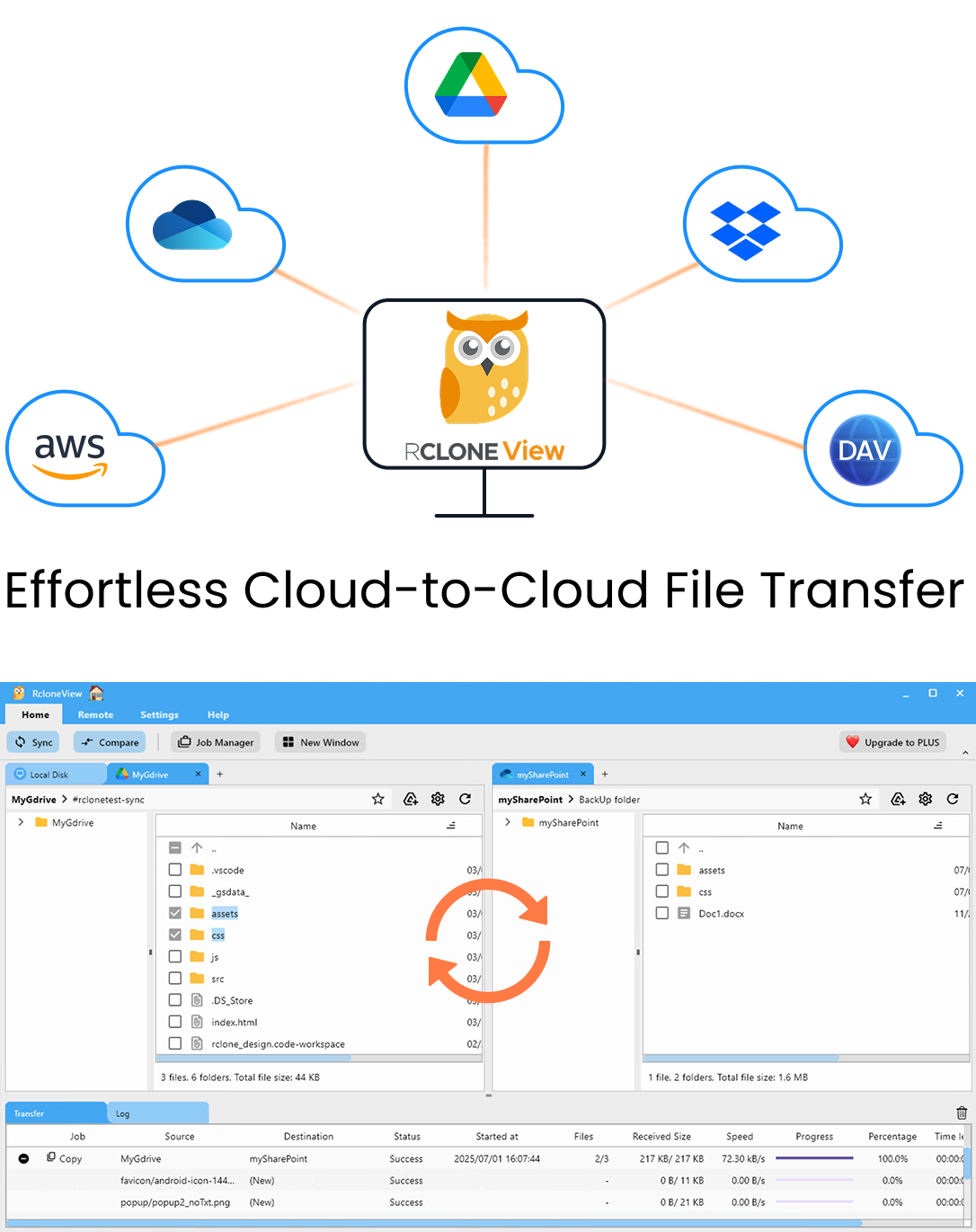
Manage & Sync All Clouds in One Place
RcloneView is a cross-platform GUI for rclone. Compare folders, transfer or sync files, and automate multi-cloud workflows with a clean, visual interface.
- One-click jobs: Copy · Sync · Compare
- Schedulers & history for reliable automation
- Works with Google Drive, OneDrive, Dropbox, S3, WebDAV, SFTP and more
Free core features. Plus automations available.
Why Mount Instead of Sync?
- Save space: browse and open only what you need, no full local mirror.
- Faster starts: map your drive once and skip long initial syncs.
- Safe edits: cache writes locally, let RcloneView handle retries and resumes.
Step 1 — Connect pCloud in RcloneView
- Add pCloud via
+ New Remote(WebDAV or OAuth flow). Guide: add-oath-online-login. - Confirm the remote works by listing folders in Remote Explorer.
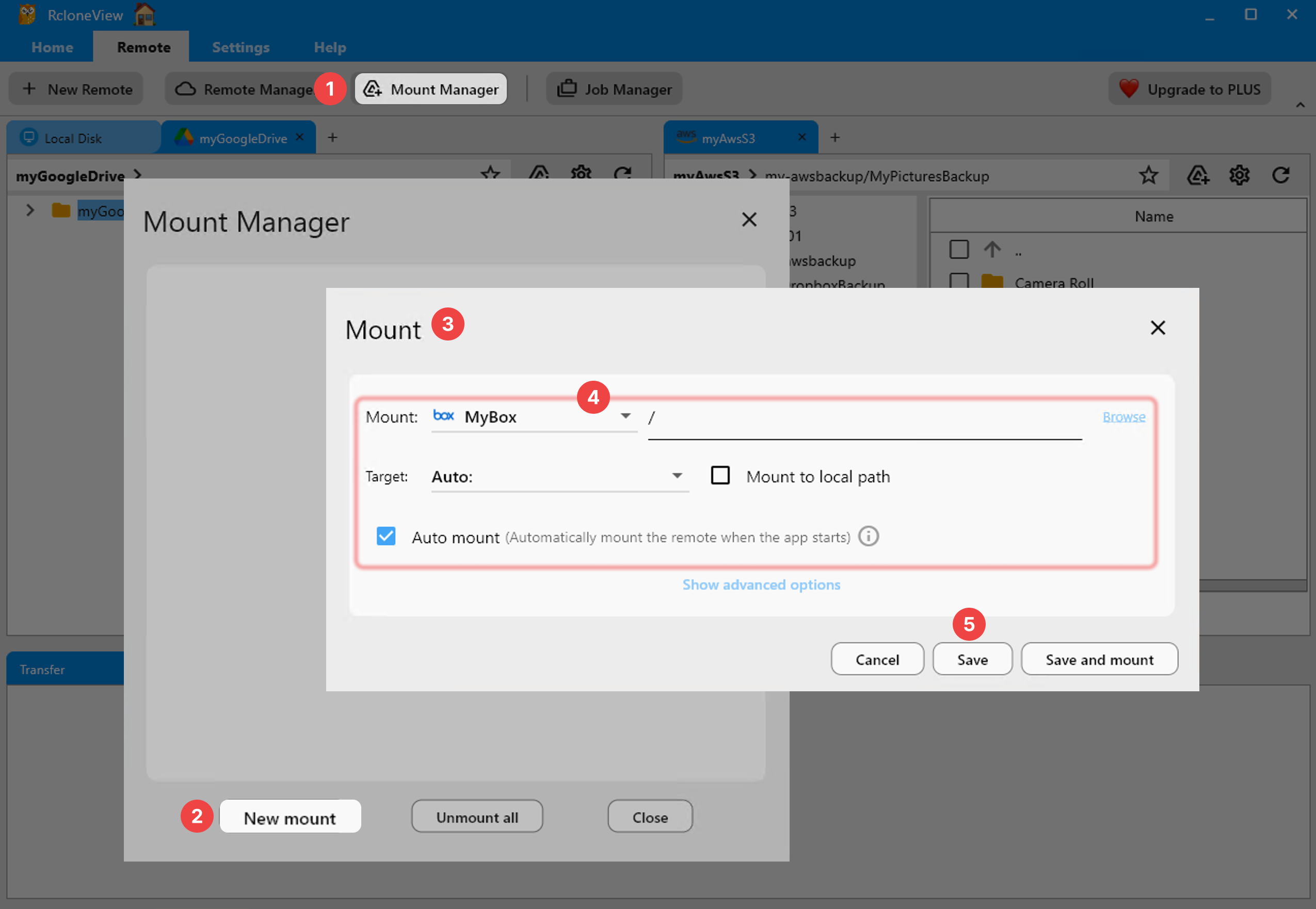
Step 2 — Create a Mount (Windows or macOS)
- Open Mount Manager and choose your pCloud remote. Guide: mount-cloud-storage-as-a-local-drive.
- Pick a target:
- Windows: choose a drive letter (e.g.,
P:) usingcmount. - macOS: pick a mount path (e.g.,
/Volumes/pcloud).
- Windows: choose a drive letter (e.g.,
- Save and mount. You should see the drive in Explorer or Finder immediately.
Step 3 — (Optional) Verify with Compare Before Heavy Changes
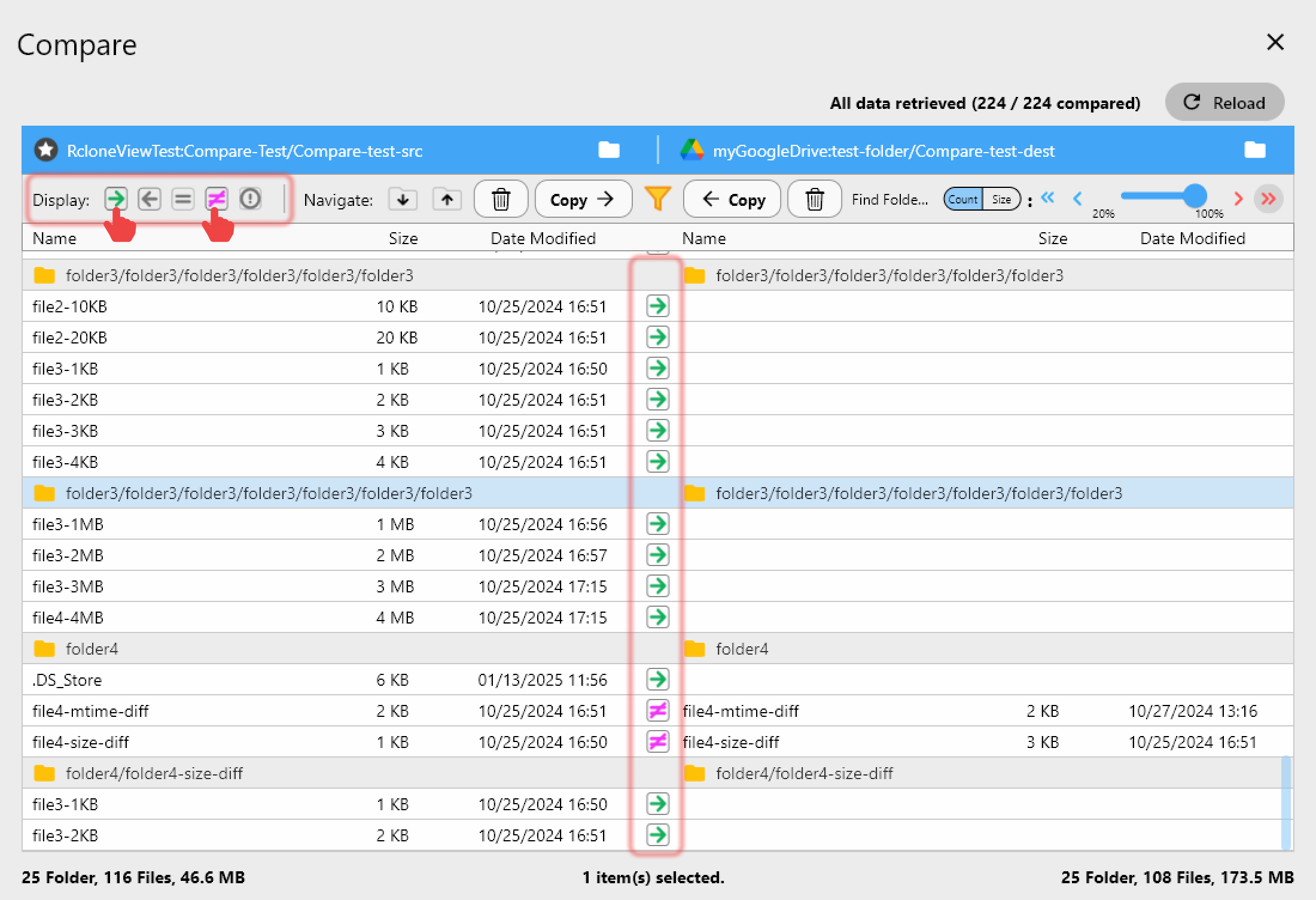
- Use Compare to preview differences before bulk moves or cleanup: compare-folder-contents.
- Spot newer, missing, or mismatched files without running a destructive sync.
Step 4 — (Optional) Sync Jobs for Key Folders
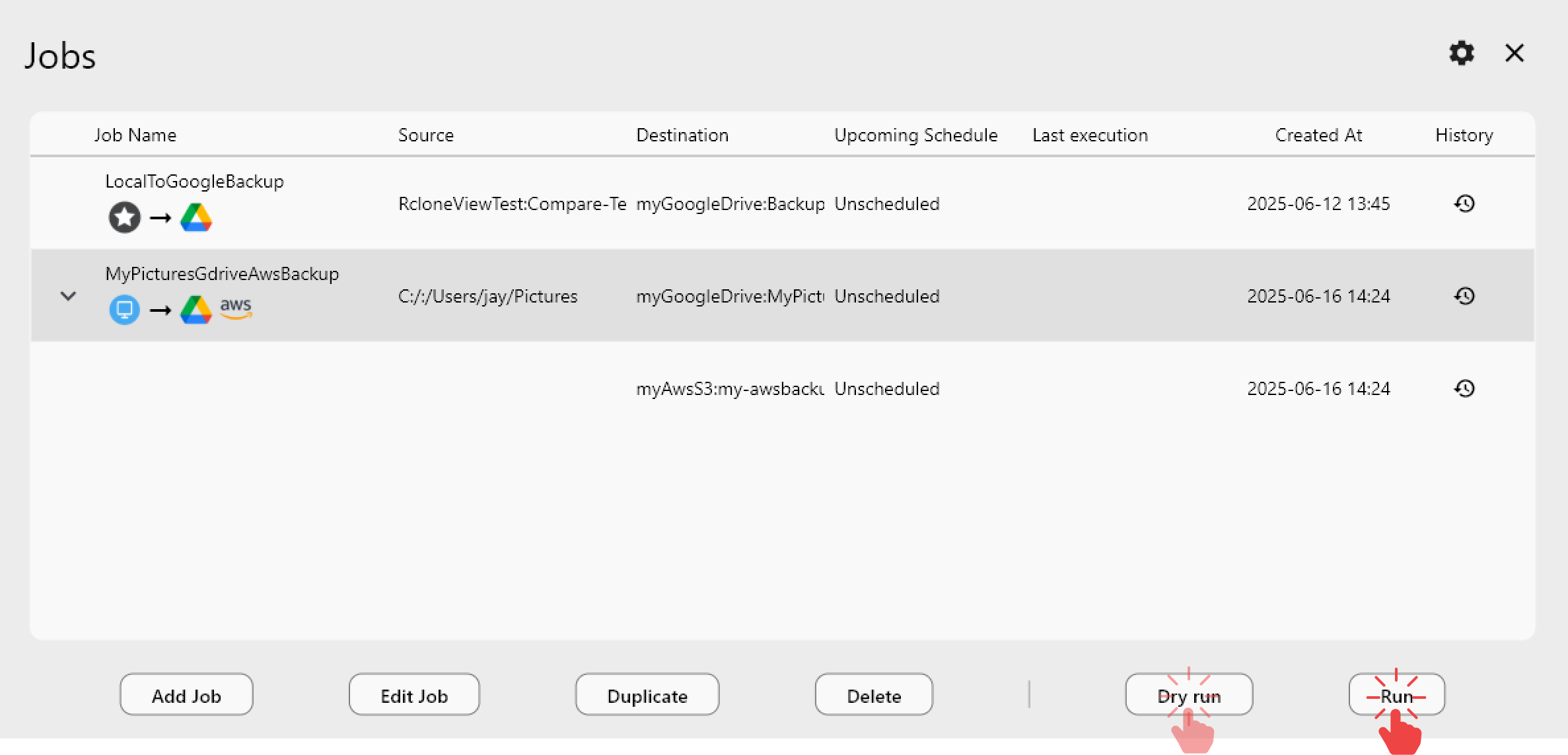
- Keep critical folders (e.g.,
Projects/orPhotos/) mirrored to another cloud or NAS: create-sync-jobs. - Start with copy for safety; switch to sync when you trust the target.
- Schedule off-hours runs so mounts stay responsive while you work.
Mount pCloud once, tune cache, and keep your storage lean. RcloneView makes cloud drives feel local without risky full-sync overhead.
Supported Cloud Providers