Encrypt pCloud Files with RcloneView — Easy GUI for rclone crypt
Keep pCloud data private with rclone crypt, minus the command-line learning curve. RcloneView gives you a guided UI to create encrypted remotes, run verified transfers, and restore safely.
pCloud already offers built-in security, but some teams need zero-knowledge encryption they fully control. RcloneView wraps rclone’s crypt in a friendly workflow: connect pCloud, add an encrypted layer, sync or mount it, and keep an audit trail with logs and checksums.
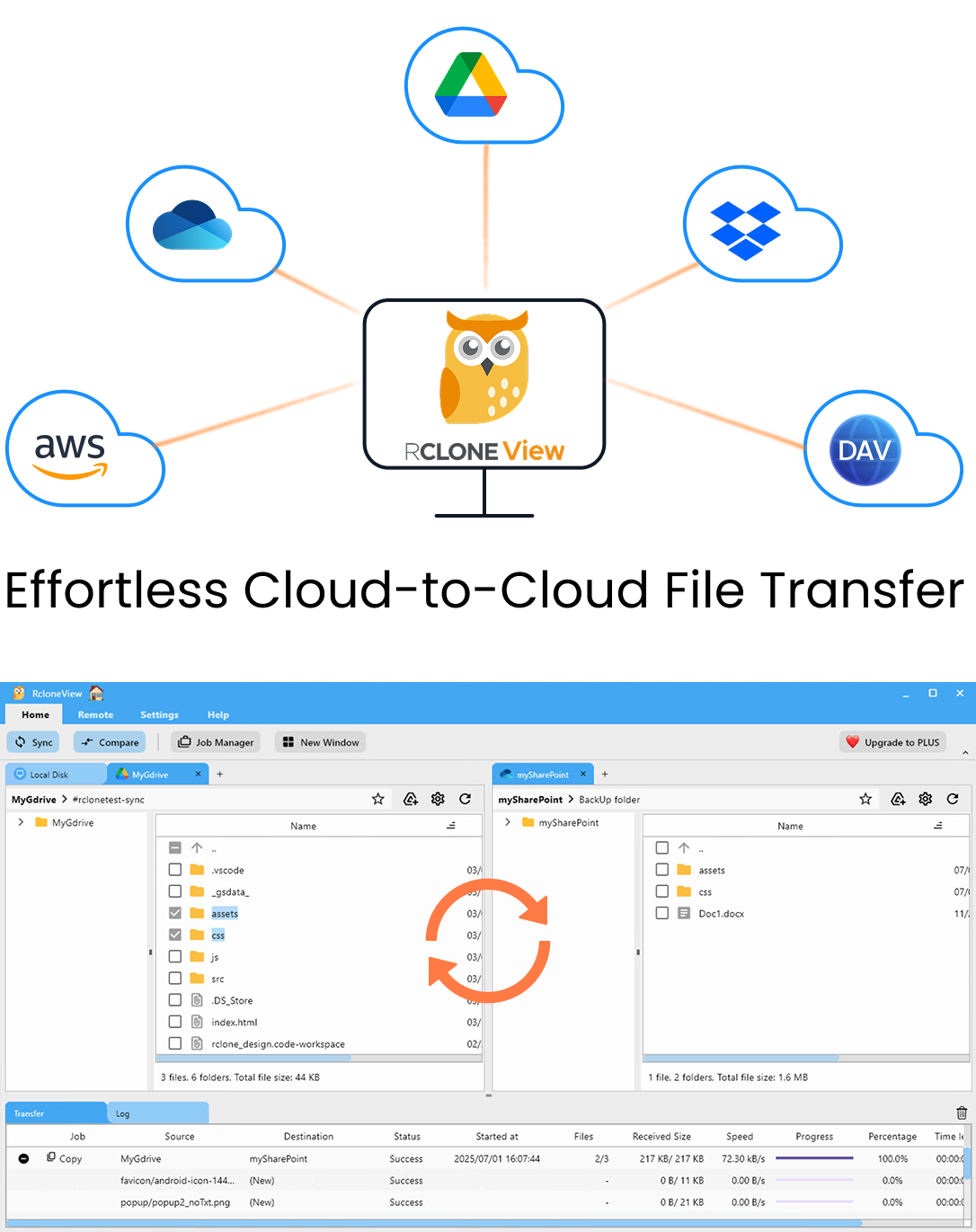
Manage & Sync All Clouds in One Place
RcloneView is a cross-platform GUI for rclone. Compare folders, transfer or sync files, and automate multi-cloud workflows with a clean, visual interface.
- One-click jobs: Copy · Sync · Compare
- Schedulers & history for reliable automation
- Works with Google Drive, OneDrive, Dropbox, S3, WebDAV, SFTP and more
Free core features. Plus automations available.
What Is crypt?
crypt is rclone’s client-side encryption. It wraps any remote (like pCloud) so filenames and content are encrypted before upload. You hold the keys; pCloud only stores ciphertext.
Why Encrypt pCloud?
- Zero-knowledge posture: you control keys; providers cannot read content.
- Compliance: encrypt sensitive folders (finance, HR, legal) before they leave devices.
- Safety net: even if a link leaks, files stay unreadable without your passphrase.
Step-by-Step: Encrypt pCloud with RcloneView
- Connect pCloud
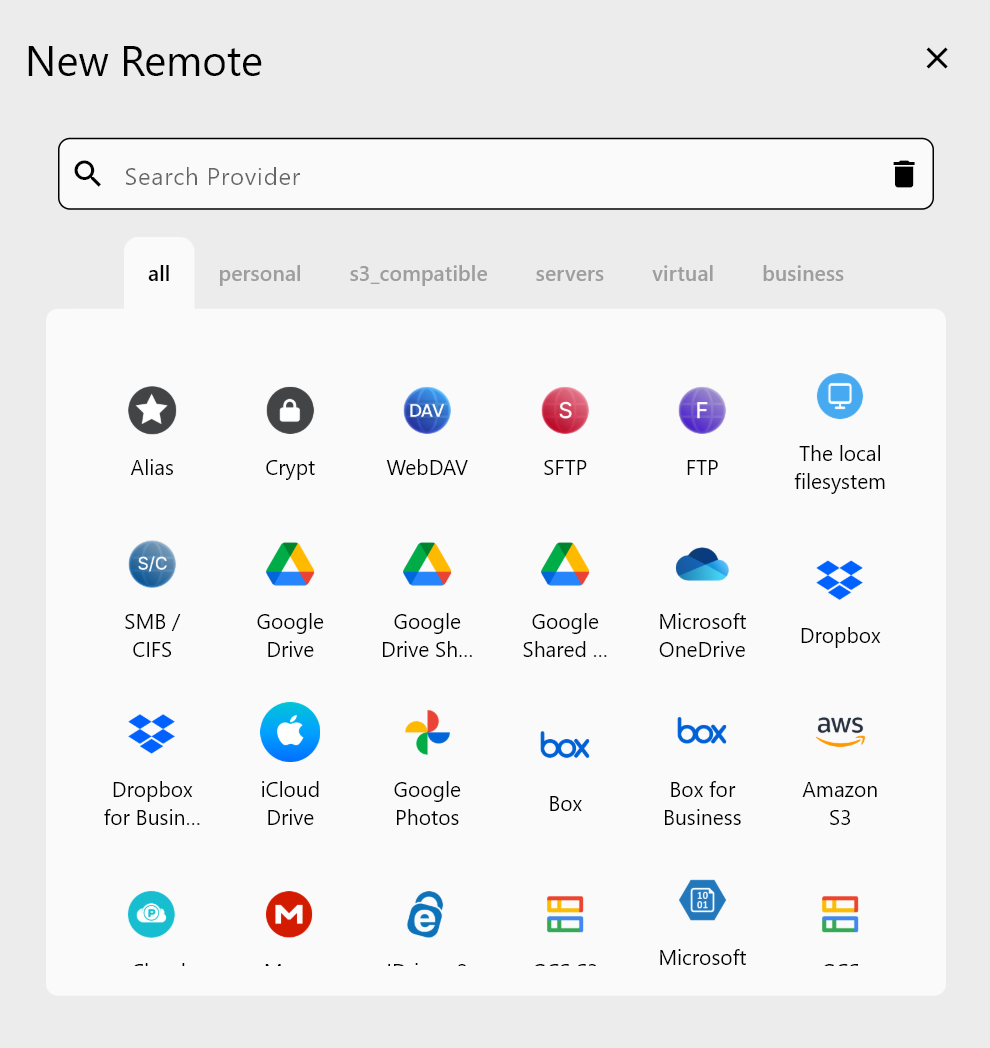
- Add pCloud via
+ New Remote(WebDAV/OAuth). Guide: add-oath-online-login. - Verify the remote in Remote Explorer to confirm access.
- Create the crypt layer
- In Remote Manager, create a new remote of type crypt, pointing to your pCloud remote path (e.g.,
pcloud:/secure/). - Choose filename encryption (standard) and set a strong passphrase. Save it securely.
- Optional: Mount the encrypted remote
- Open Mount Manager and select the crypt remote to browse in Explorer/Finder without downloading everything: mount-cloud-storage-as-a-local-drive.
- Windows: pick a drive letter; macOS: pick a mount path.
- Sync or copy data into the encrypted path
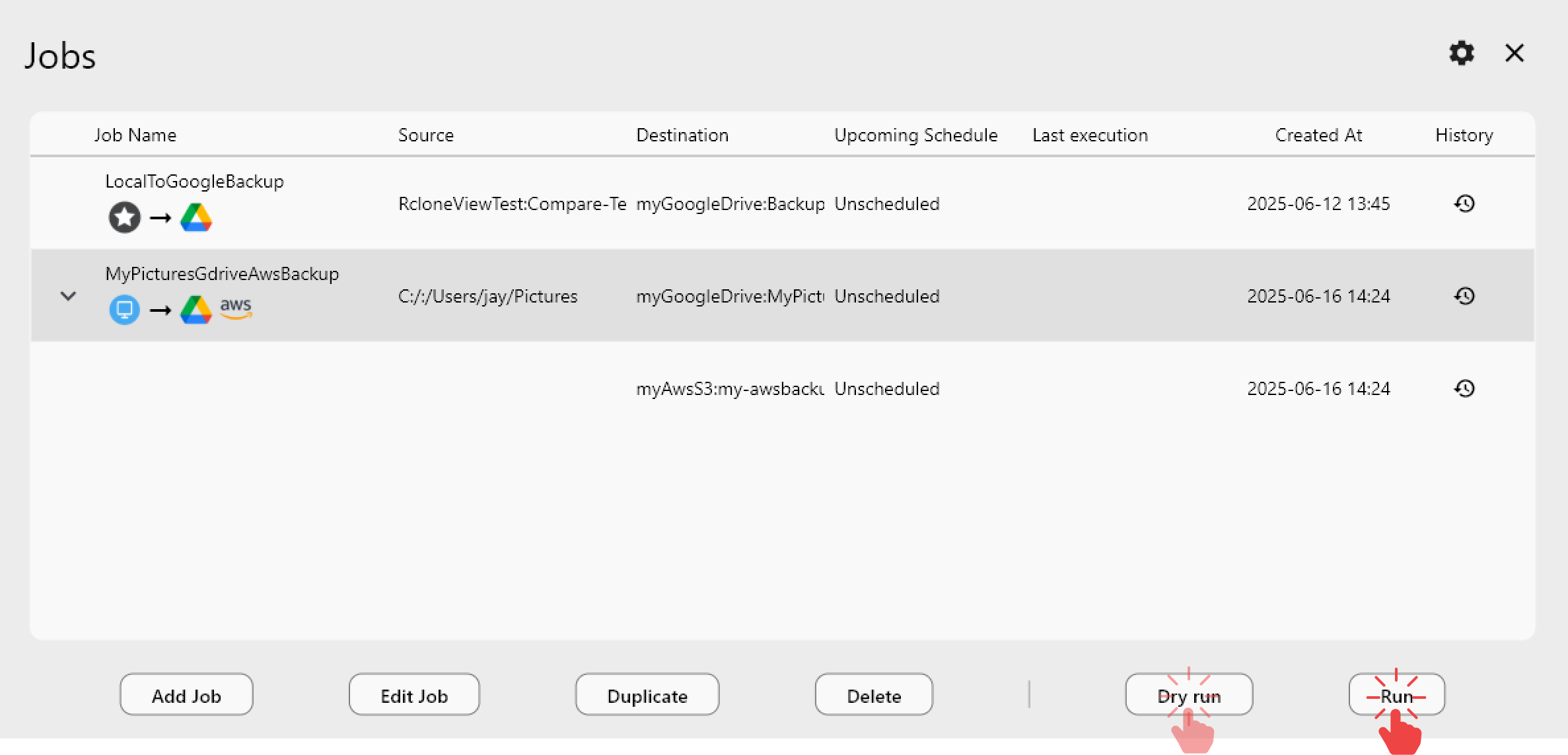
- Use copy for the first load; switch to sync once validated: create-sync-jobs.
- For smaller scopes, drag/drop via Remote Explorer, or build a job per folder (e.g., Finance, Legal, Projects).
- Validate before and after
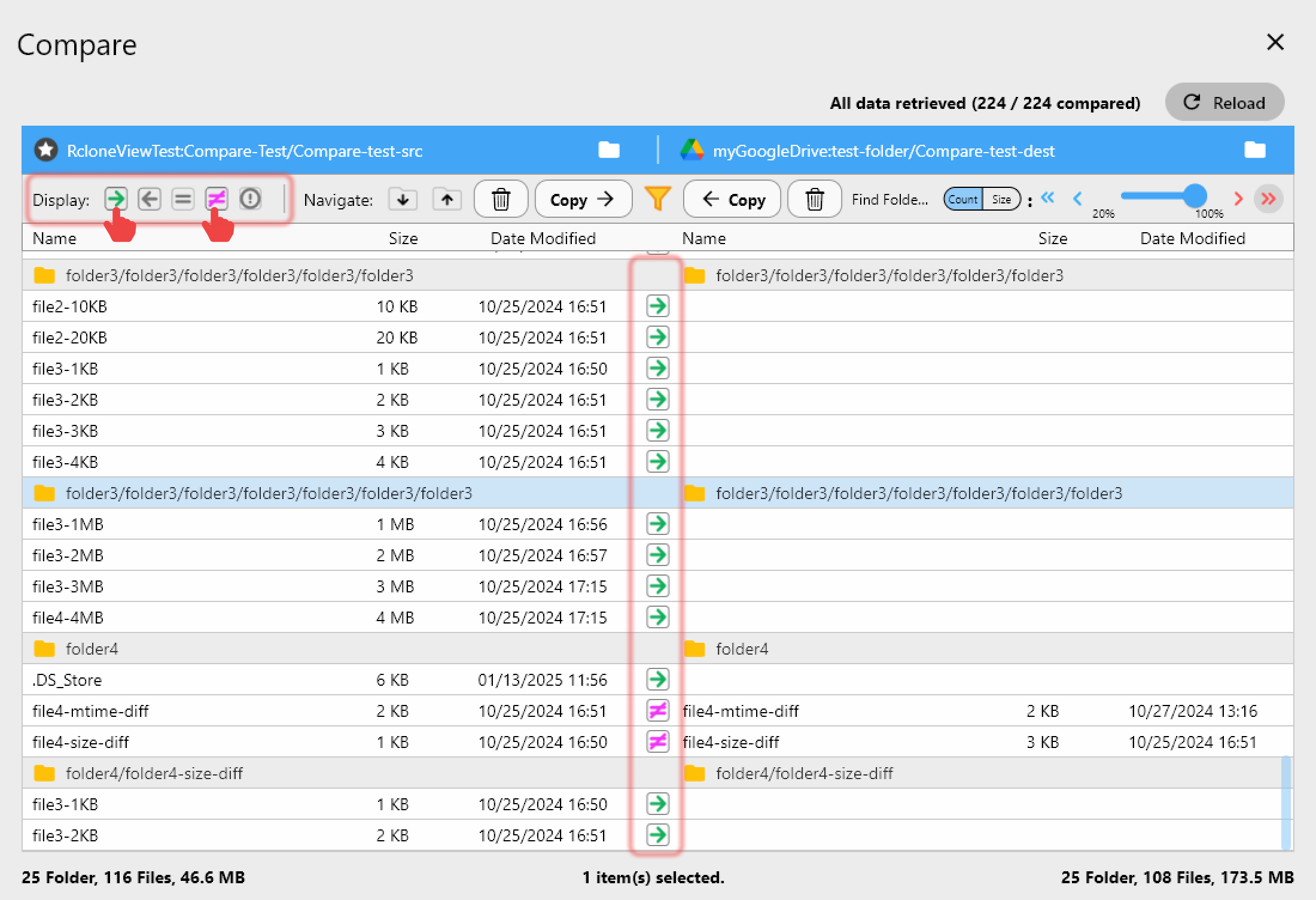
- Run Compare to spot newer/missing files before running a sync: compare-folder-contents.
- Enable checksum verification in job options for integrity.
Conclusion
Encrypting pCloud with RcloneView takes minutes: add pCloud, wrap it with crypt, copy or sync data, and schedule ongoing protection. You keep the keys, RcloneView handles the heavy lifting.
Supported Cloud Providers