Manage OpenStack Swift Object Storage with a Desktop GUI Using RcloneView
OpenStack Swift is powerful—it's what powers massive cloud deployments, research institutions, and enterprise data centers. But let's be honest: managing Swift containers from the command line is tedious. Even Horizon, the web dashboard, feels clunky when you're doing bulk operations, comparing containers across regions, or syncing to other cloud providers.
What if you could browse your Swift containers like a regular file manager? What if you could drag files into Swift the same way you'd drag them into Google Drive? That's where RcloneView comes in.
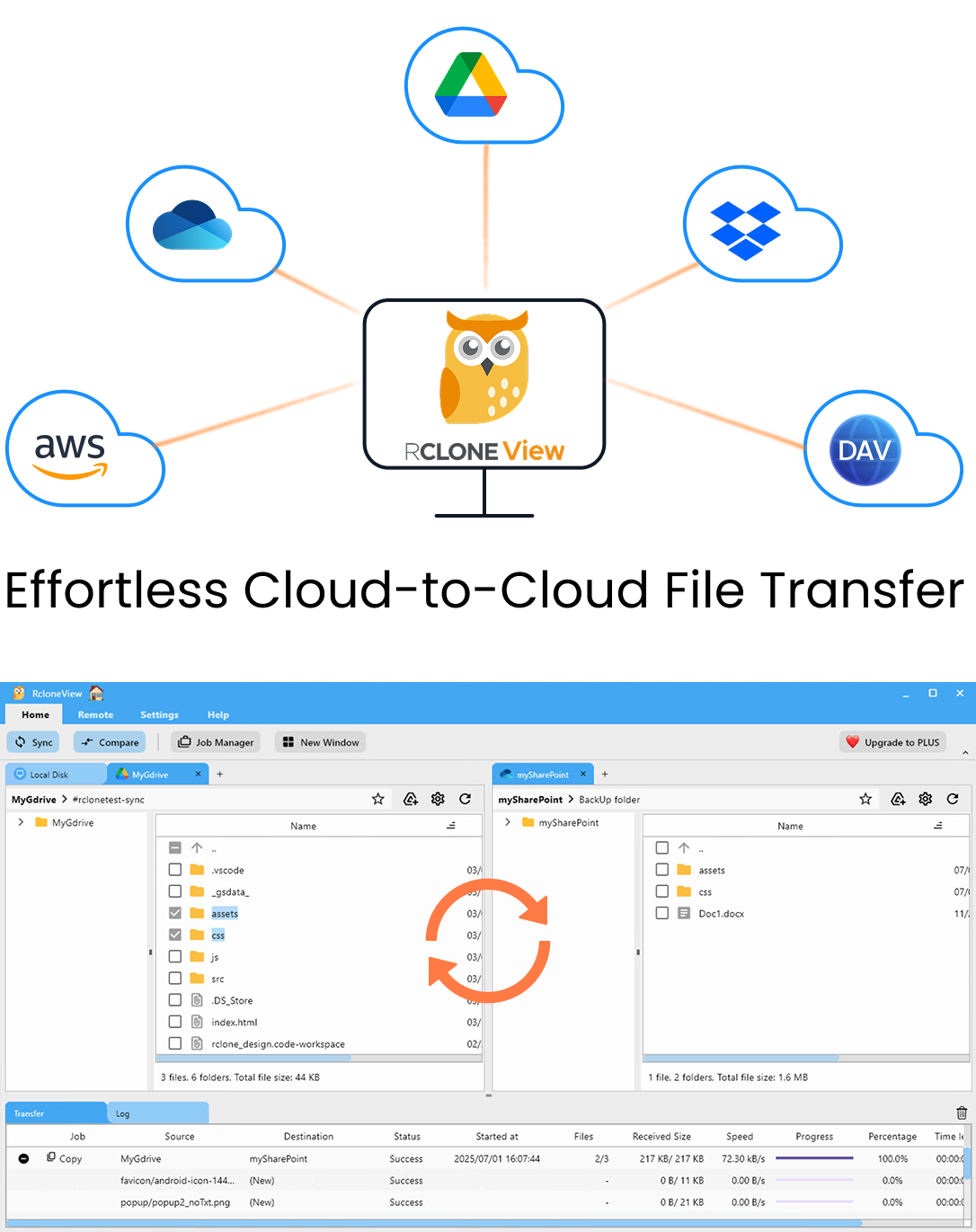
Manage & Sync All Clouds in One Place
RcloneView is a cross-platform GUI for rclone. Compare folders, transfer or sync files, and automate multi-cloud workflows with a clean, visual interface.
- One-click jobs: Copy · Sync · Compare
- Schedulers & history for reliable automation
- Works with Google Drive, OneDrive, Dropbox, S3, WebDAV, SFTP and more
Free core features. Plus automations available.
The Problem with Swift CLI and Horizon
Swift's swift CLI is powerful but requires constant mental translation: commands, container names, object paths. You're typing instead of browsing. Horizon gives you a web interface, but it's designed for infrastructure admins, not file operations. Want to sync 50GB from one container to another? Want to compare containers before syncing? Want to back up Swift to Google Drive? You're back to the CLI or writing custom scripts.
RcloneView changes this. It brings Swift into a modern desktop file manager experience.
Connecting RcloneView to Your Swift Storage
First, launch RcloneView and open the Remote Explorer:
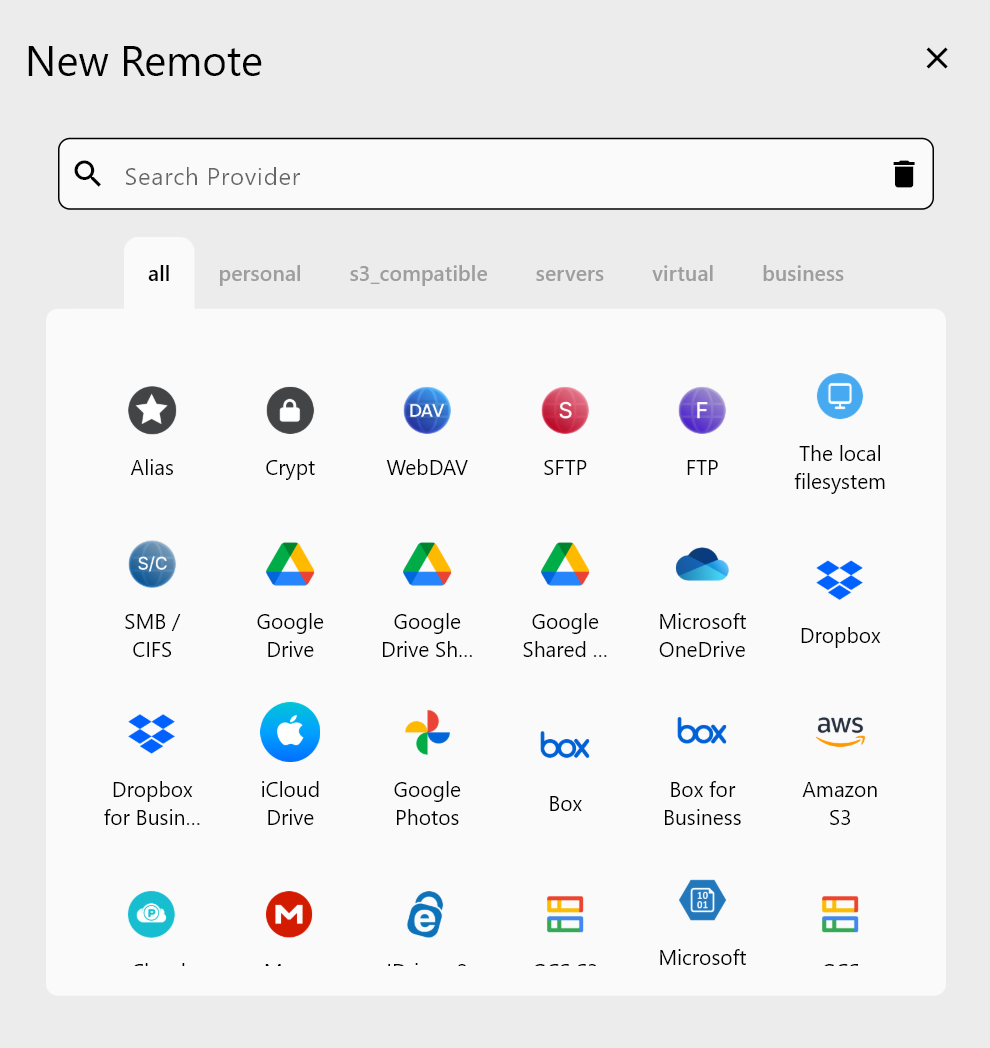
Click "Add Remote" and select OpenStack Swift from the cloud provider list. You'll need:
- Auth URL (your OpenStack identity endpoint, e.g.,
https://identity.api.rackspacecloud.com/v2.0) - Username & Password or API Key
- Tenant Name (your project name)
- Region (optional, defaults to first region)
RcloneView handles the OAuth flow securely, so your credentials are never exposed in config files.
Once connected, you'll see all your containers listed in the Remote Explorer. Click any container to browse its objects. No CLI. No typing. Just native file browsing.
Browse and Organize Swift Containers Like a Local Drive
Once your Swift remote is connected, RcloneView renders your containers as folders. You can:
- Expand containers and browse object hierarchies (Swift pseudo-directories appear as folders)
- Sort by name, size, or date with a single click
- Preview files directly in the app
- Search across containers to find objects fast
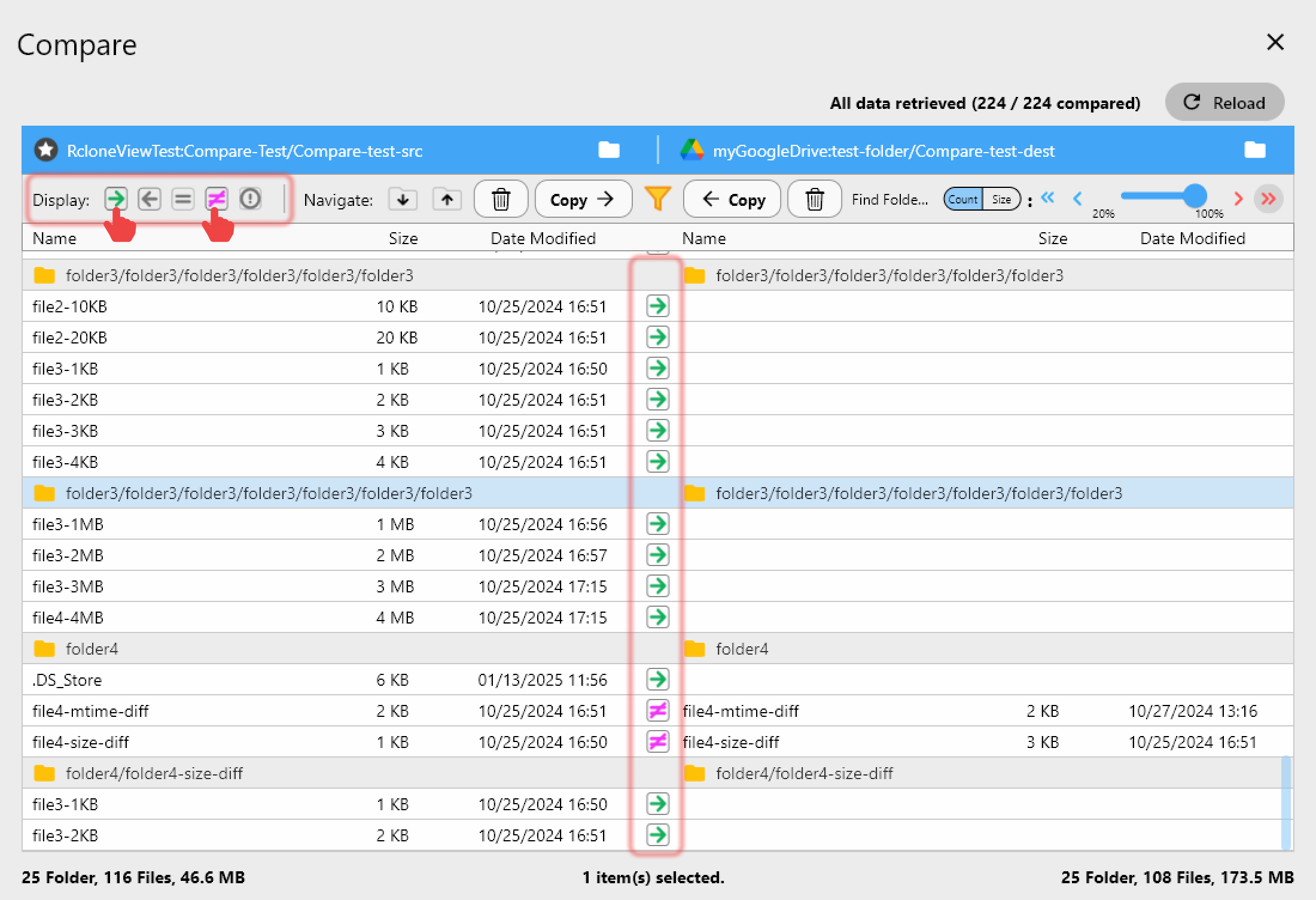
This is especially useful if you manage multiple containers across regions. RcloneView lets you compare containers side-by-side—see what exists in container-a but not container-b, perfect for detecting drift or planning migrations.
Sync Swift to Other Clouds in Minutes
Here's where RcloneView really shines. Say you have critical research data in Swift but want redundancy in Google Cloud Storage. Or you need to migrate from Swift to AWS S3. RcloneView's cloud-to-cloud sync handles this elegantly:
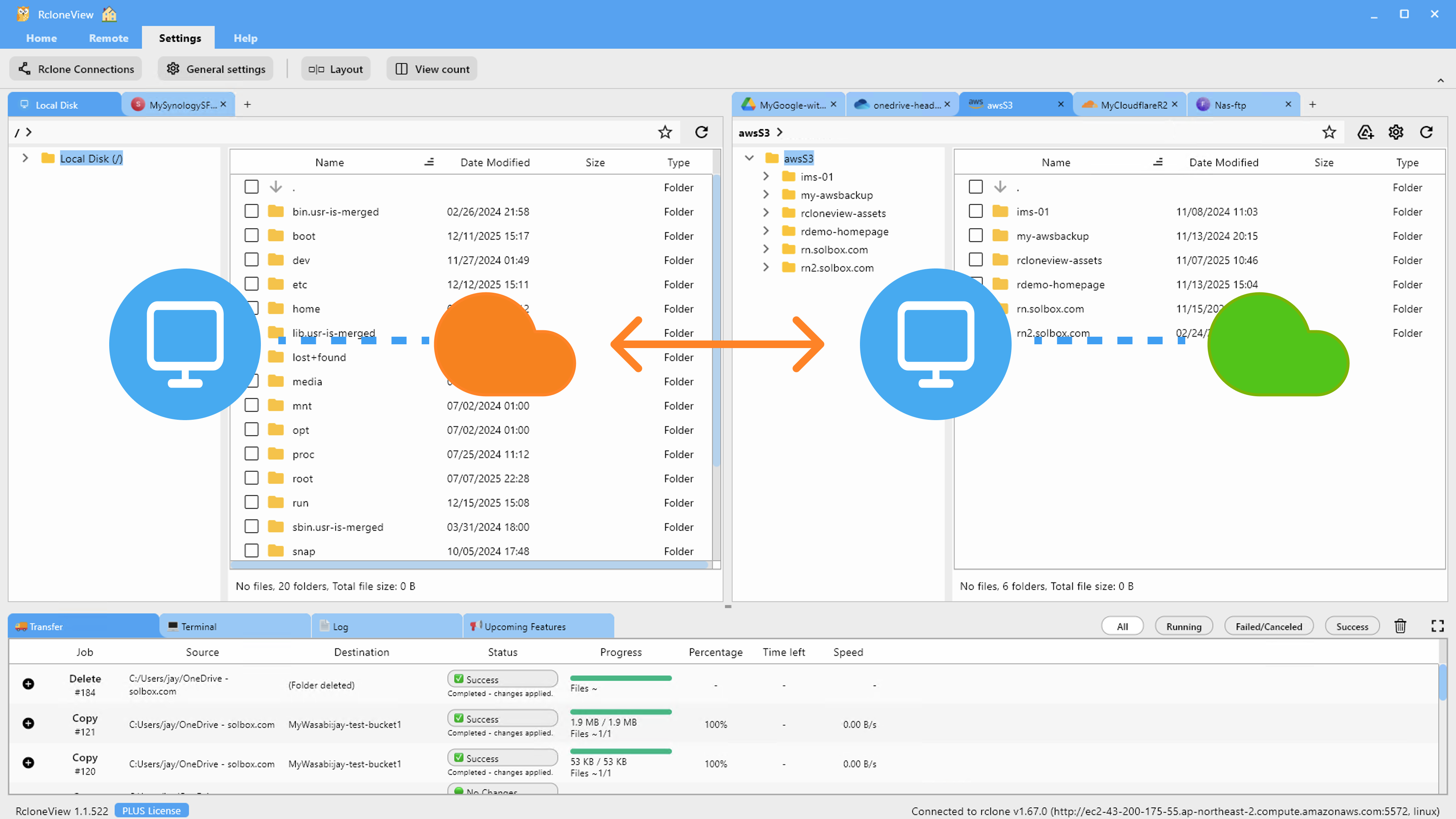
- Open your Swift container on the left, your destination cloud on the right
- Select the objects or folders to sync
- Click "Sync" and choose your options (overwrite, skip existing, delete source, etc.)
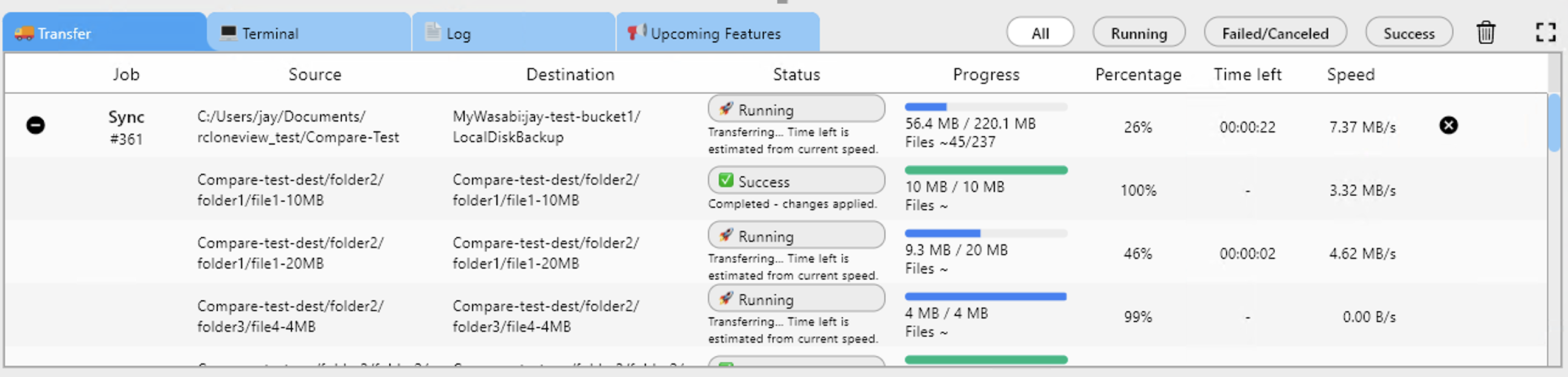
- Monitor progress in real-time
RcloneView uses checksums and intelligent syncing to avoid re-uploading files you've already moved. Perfect for enterprise backup workflows.
Automate Swift Operations with Scheduled Jobs
Manual syncing works for one-off migrations, but what if you need recurring backups? RcloneView's Job Scheduler lets you automate any operation:
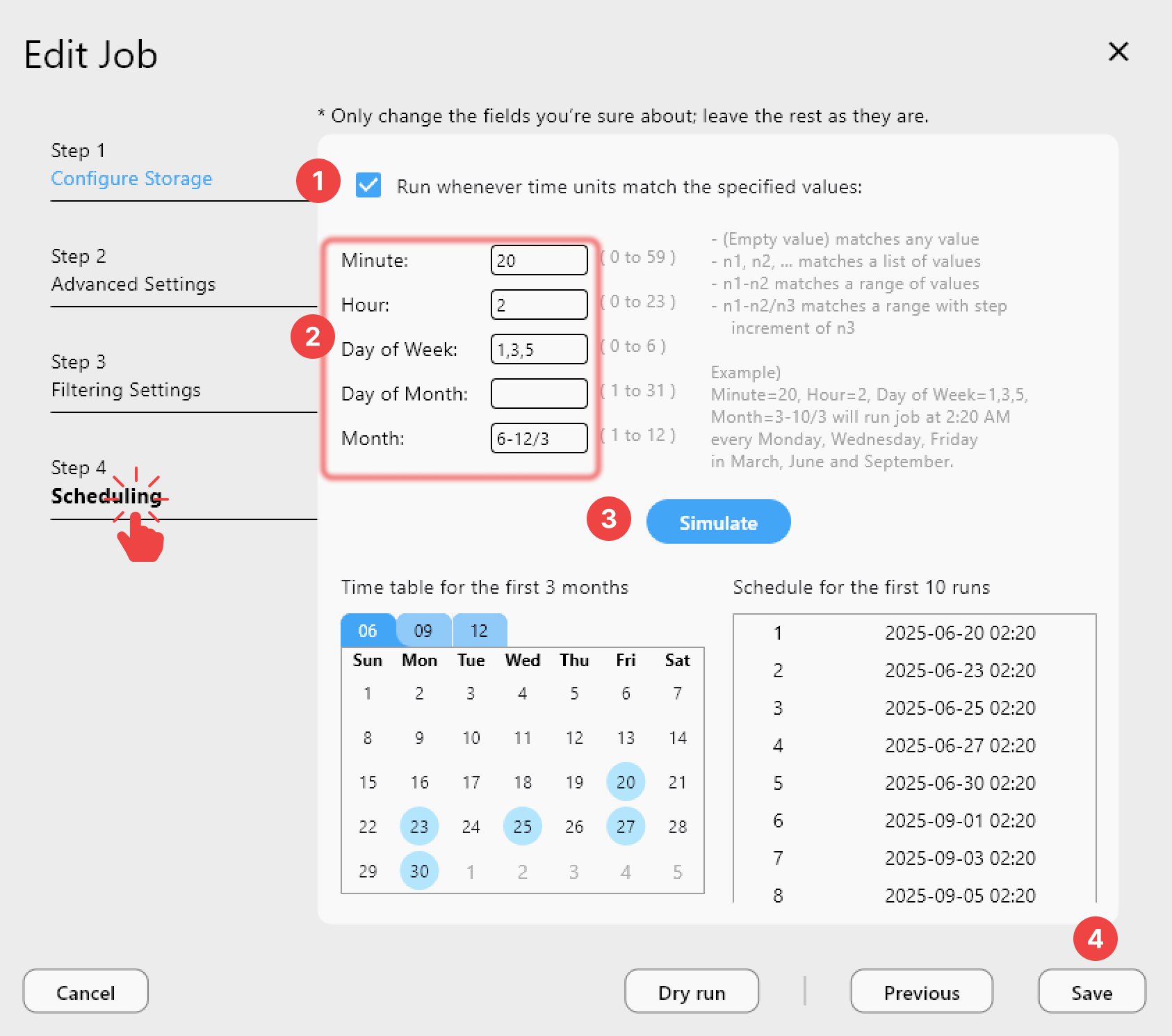
Set up a daily job that backs up a Swift container to Google Drive. Weekly syncs from Swift to S3. Hourly incremental backups from a container to your local NAS. All without touching the command line.
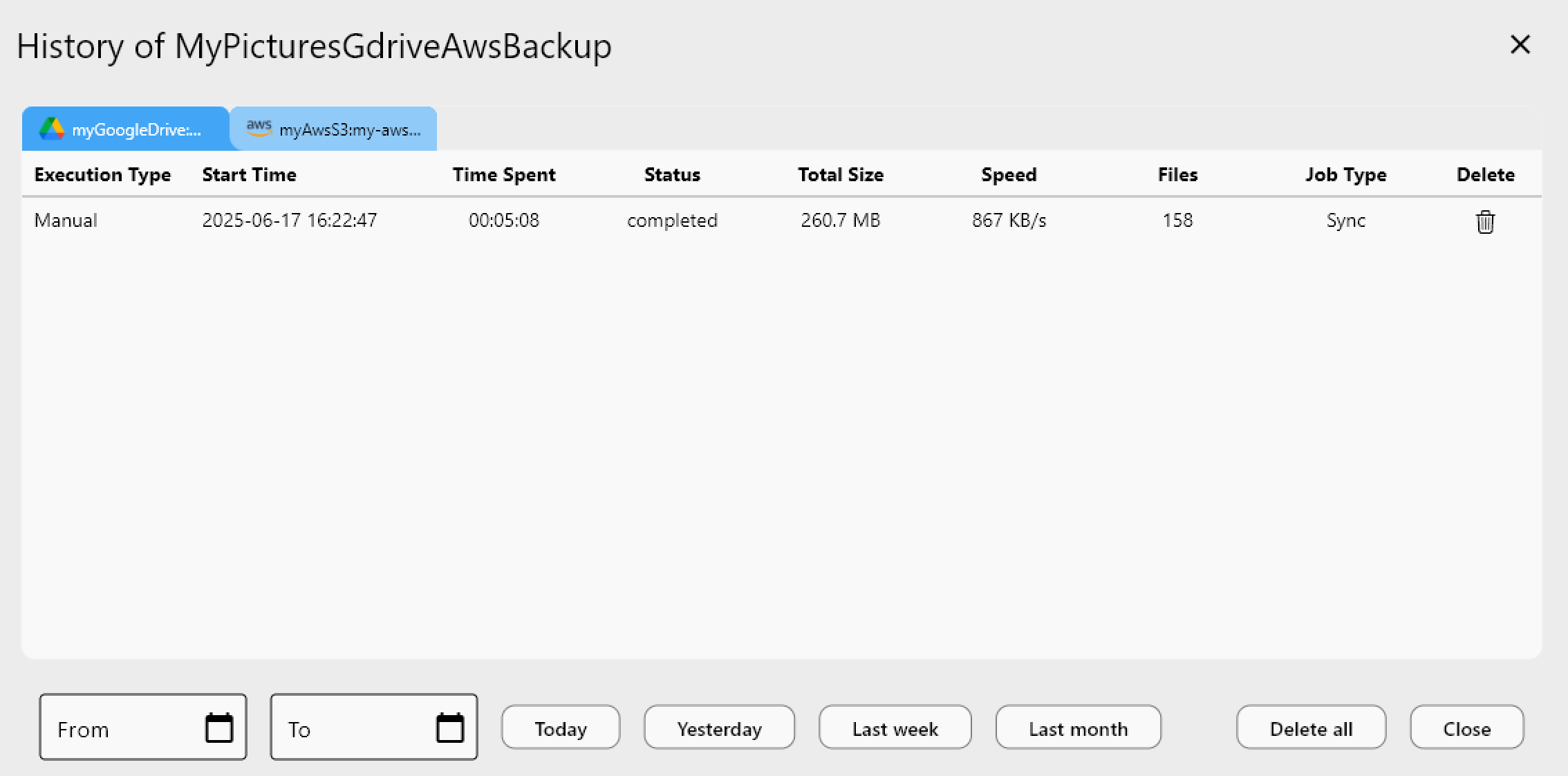
You can also view job history to audit what's been synced and when:
Mount Swift as a Local Drive
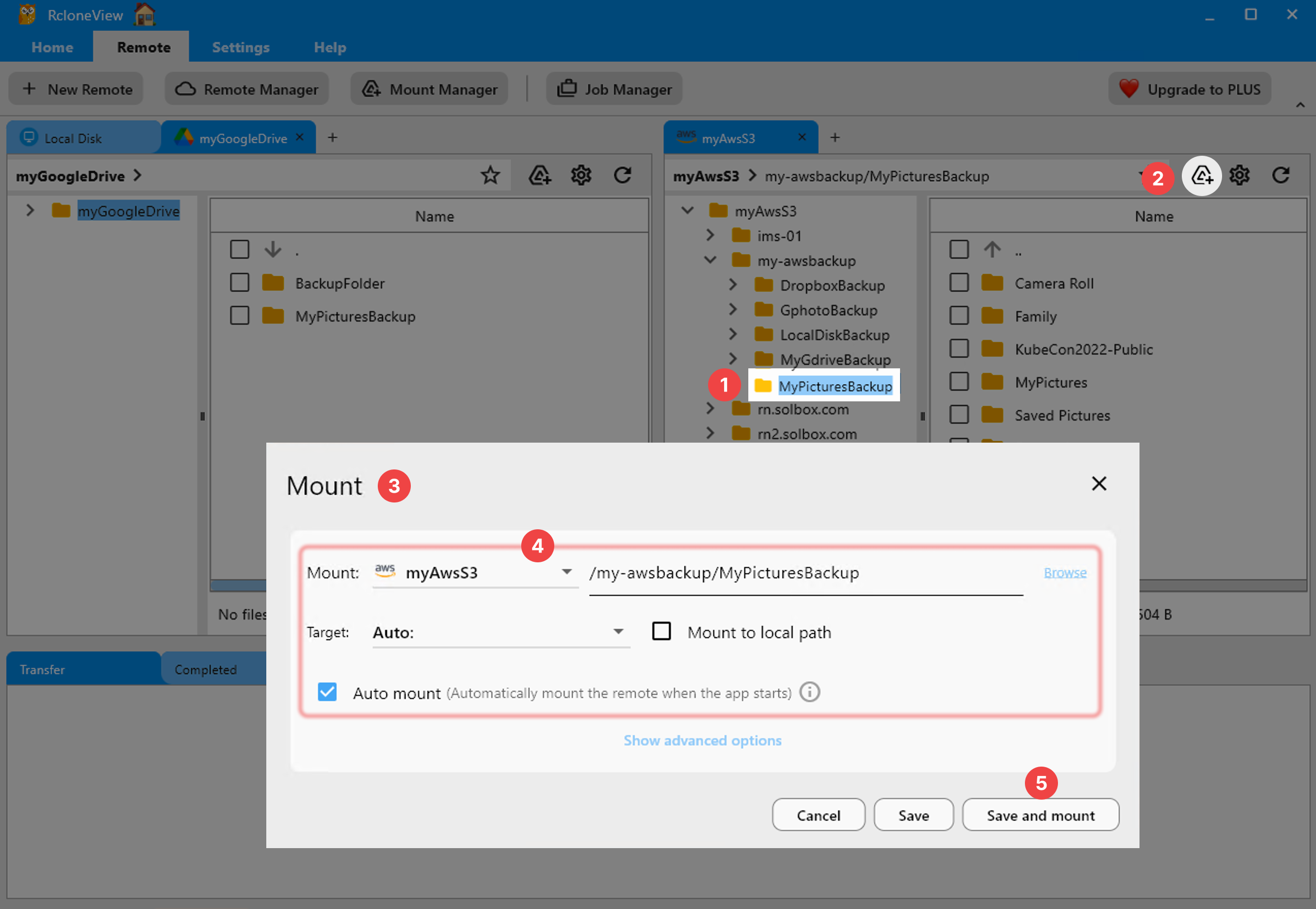
Need to work with Swift objects like they're local files? RcloneView's mount feature lets you mount any Swift container as a virtual drive on your desktop:
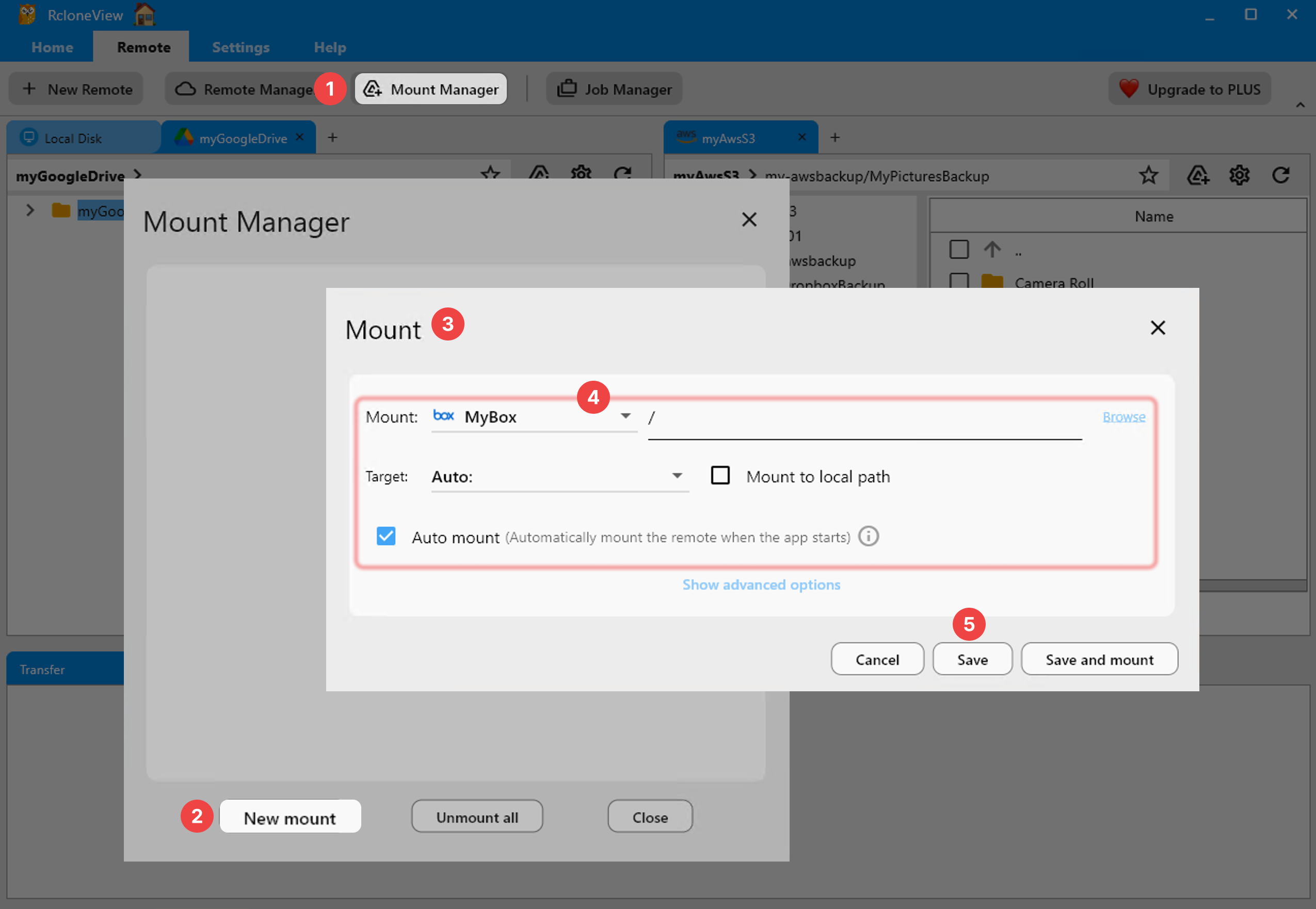
After mounting:
- Open Swift containers in your file explorer
- Edit files directly (changes sync back to Swift)
- Use any application that works with files—no API knowledge needed
- Copy, move, delete objects like local operations
This is game-changing for teams that want Swift's durability without learning Swift-specific tools.
Why Choose RcloneView for Swift Management?
- Unified Interface: Manage Swift alongside S3, Google Drive, Azure, Dropbox, and 40+ other clouds in one app
- No CLI Learning Curve: File manager experience everyone understands
- Enterprise-Grade Syncing: Checksums, bandwidth throttling, partial transfers, deduplication
- Security: Credentials stored locally, encrypted connections, zero cloud-side logging
- Automation: Scheduled jobs, scripts, bandwidth limiting for sensitive operations
- Cross-Cloud Workflows: Sync Swift to any other cloud in RcloneView's ecosystem
Getting Started
- Download RcloneView (free trial available)
- Add your OpenStack Swift remote (takes 2 minutes)
- Start browsing, syncing, or mounting—instantly
- Set up scheduled jobs for recurring tasks
RcloneView transforms Swift from a CLI-only storage system into a modern, user-friendly file management solution. Whether you're managing research data, enterprise backups, or multi-cloud architecture, you now have a desktop tool built for the job.
Related Guides
- RcloneView Documentation Introduction
- Creating and Organizing Documentation
- Publishing a New Page
- Using Markdown Features
Supported Cloud Providers