Why Cloud-to-Cloud Backup Matters (And How to Set It Up in 5 Minutes)
"It's in the cloud, so it's safe." This is one of the most dangerous assumptions in data management. Here's why — and how to actually protect yourself.
Most people treat cloud storage as a backup. It isn't. Cloud storage is a convenience service. It syncs your files across devices and lets you share them easily. But it doesn't protect against account compromise, accidental deletion, ransomware, or provider outages. True protection requires an independent copy on a different provider.
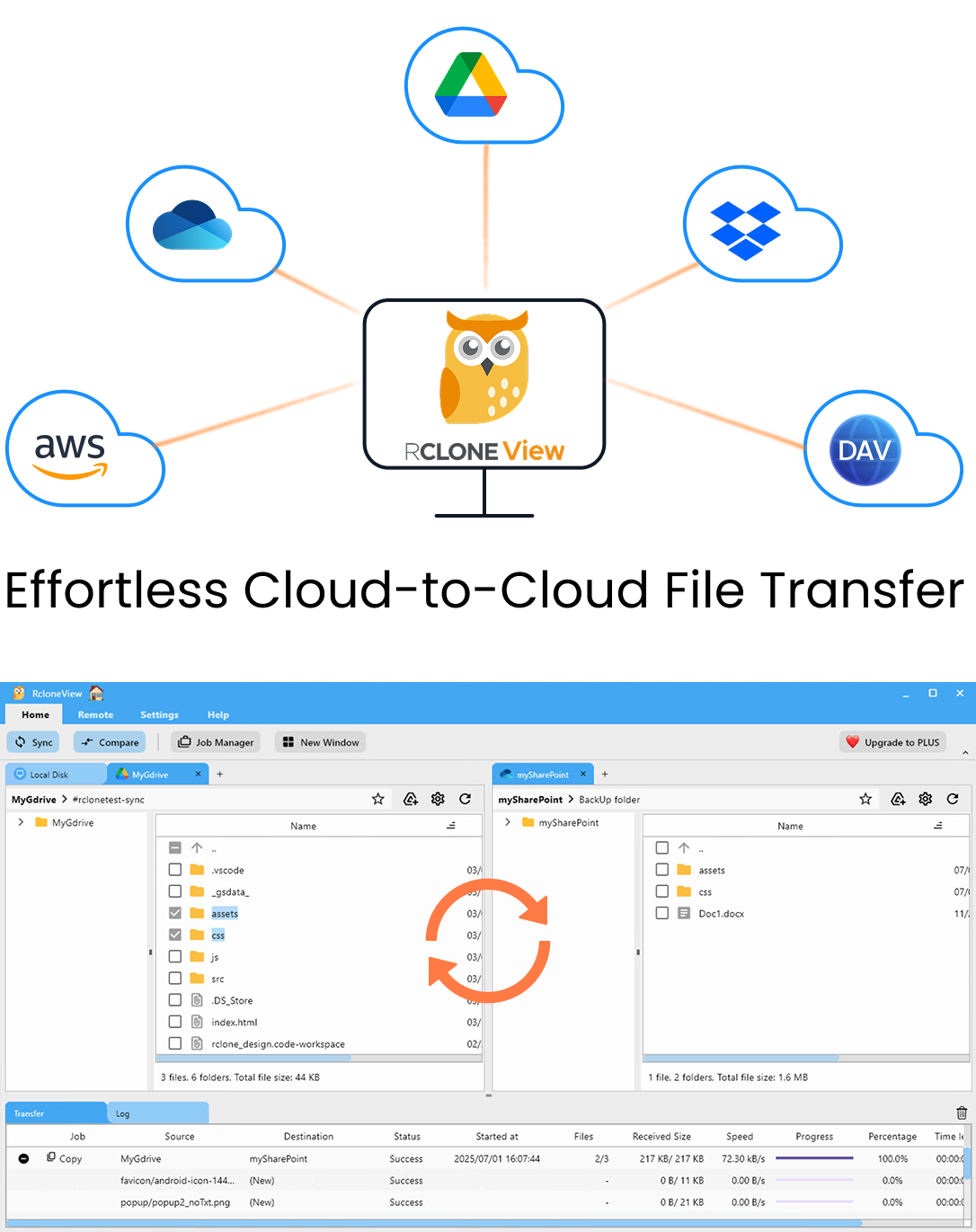
Manage & Sync All Clouds in One Place
RcloneView is a cross-platform GUI for rclone. Compare folders, transfer or sync files, and automate multi-cloud workflows with a clean, visual interface.
- One-click jobs: Copy · Sync · Compare
- Schedulers & history for reliable automation
- Works with Google Drive, OneDrive, Dropbox, S3, WebDAV, SFTP and more
Free core features. Plus automations available.
The Myths About Cloud Safety
"Google/Microsoft/Dropbox won't lose my data"
They probably won't lose it on their end. But you can lose access through:
- Account suspension — Policy violations (even accidental ones) can freeze your account.
- Account compromise — A hacker deletes your files. The recycle bin has limits.
- Ransomware — Synced ransomware encrypts your cloud files too. Some providers can roll back; many can't fully.
- Human error — You (or a coworker with shared access) delete something important.
"My provider has redundancy built in"
Yes — against hardware failure on their end. Not against any of the scenarios above. Provider redundancy protects them. Cloud-to-cloud backup protects you.
"I can always use Google Takeout / export tools"
Export tools are last resorts, not backup strategies. They're slow, manual, incomplete, and don't help in emergencies.
What Cloud-to-Cloud Backup Actually Is
It's simple: an automated copy of your primary cloud data on a different, independent cloud provider.
Google Drive (primary)
     │
     └──► Backblaze B2 (backup) — automated nightly copy
If anything happens to your Google Drive, your B2 copy is unaffected. You restore from B2 and you're back in business.
How to Set It Up in 5 Minutes with RcloneView
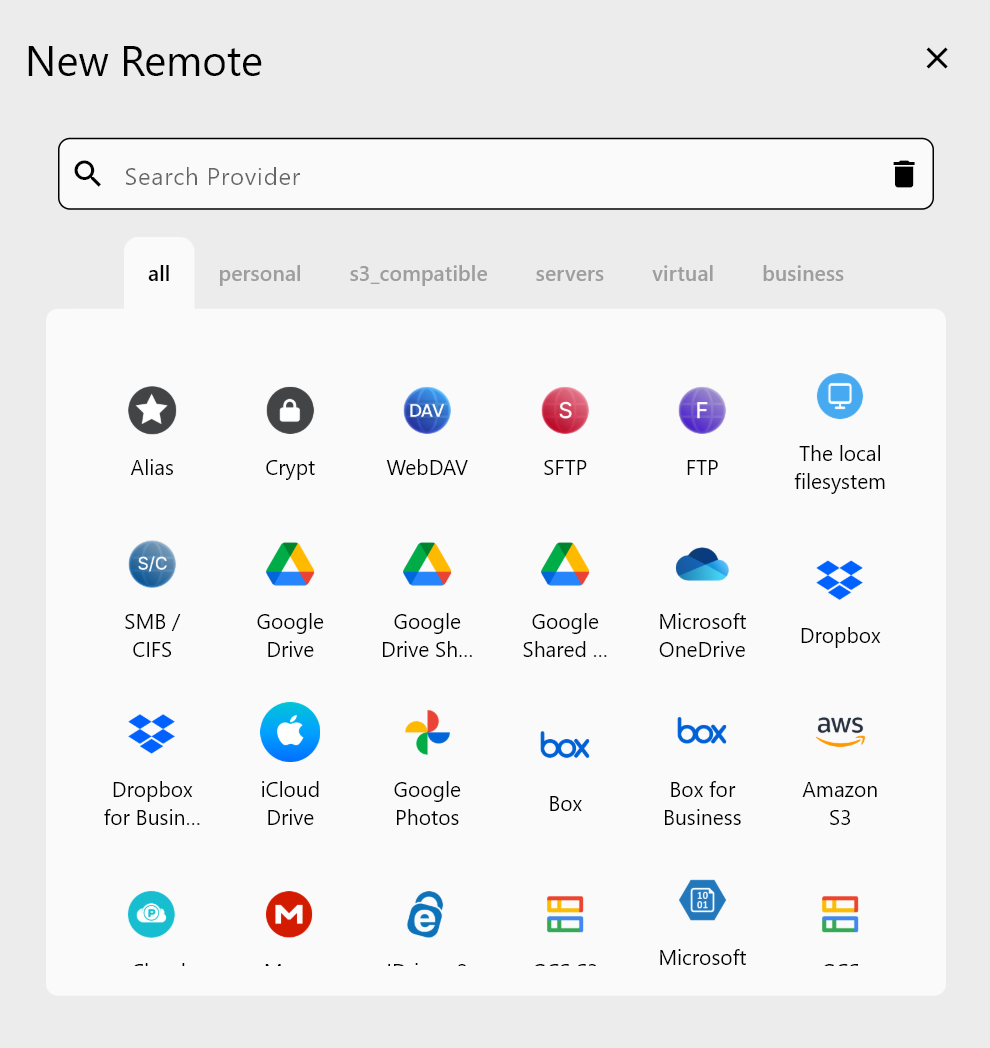
Step 1: Add both clouds (1 minute)
Add your primary cloud and backup destination as remotes in RcloneView:
Step 2: Create a Copy job (1 minute)
Copy job from primary → backup. Copy (not Sync) ensures deleting on the primary doesn't delete the backup.
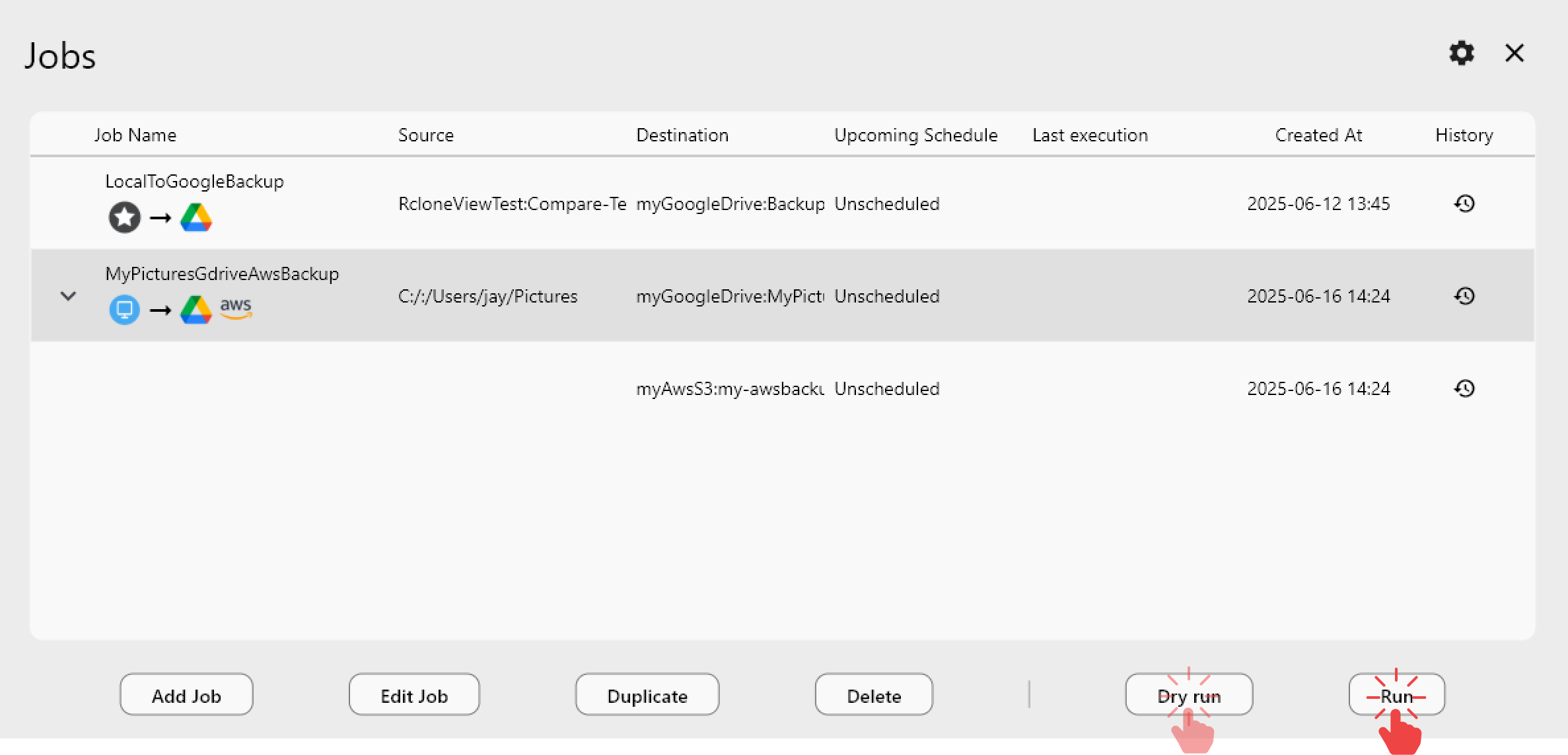
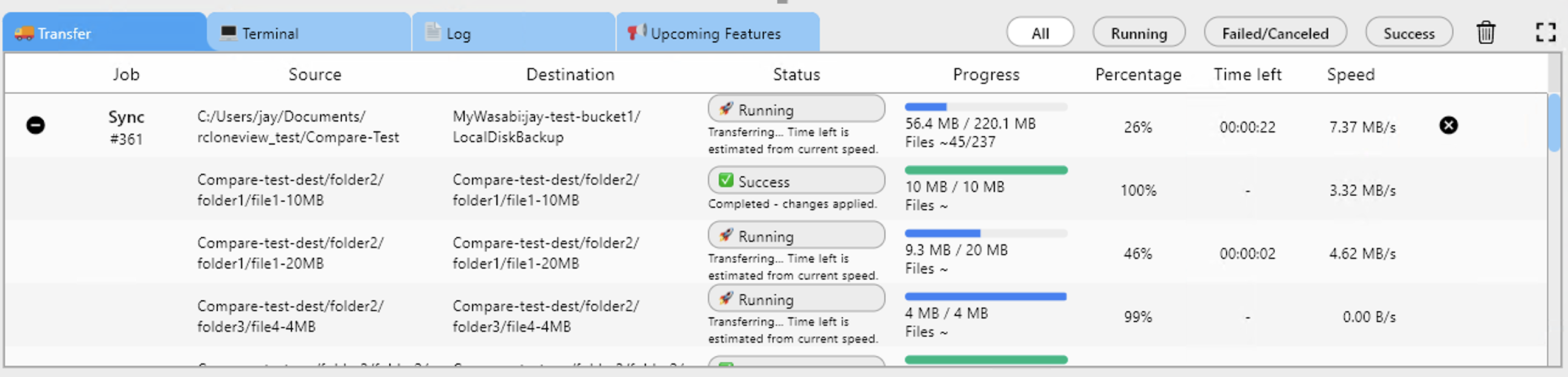
Step 3: Run the initial backup (1 minute to start)
Click Run. The first backup takes time depending on data size. Subsequent runs are incremental — only new/changed files.
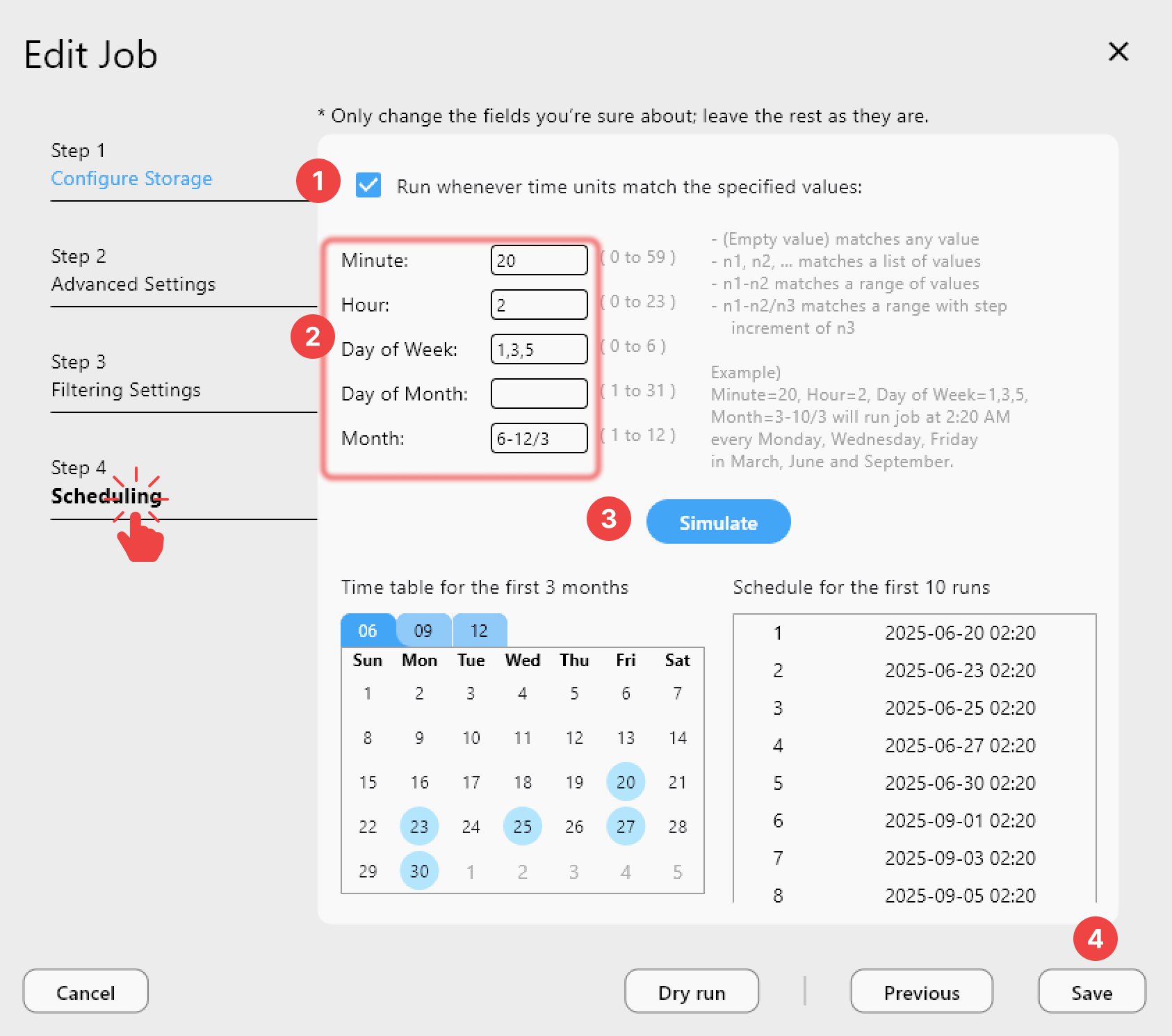
Step 4: Schedule (1 minute)
Set it to run nightly:
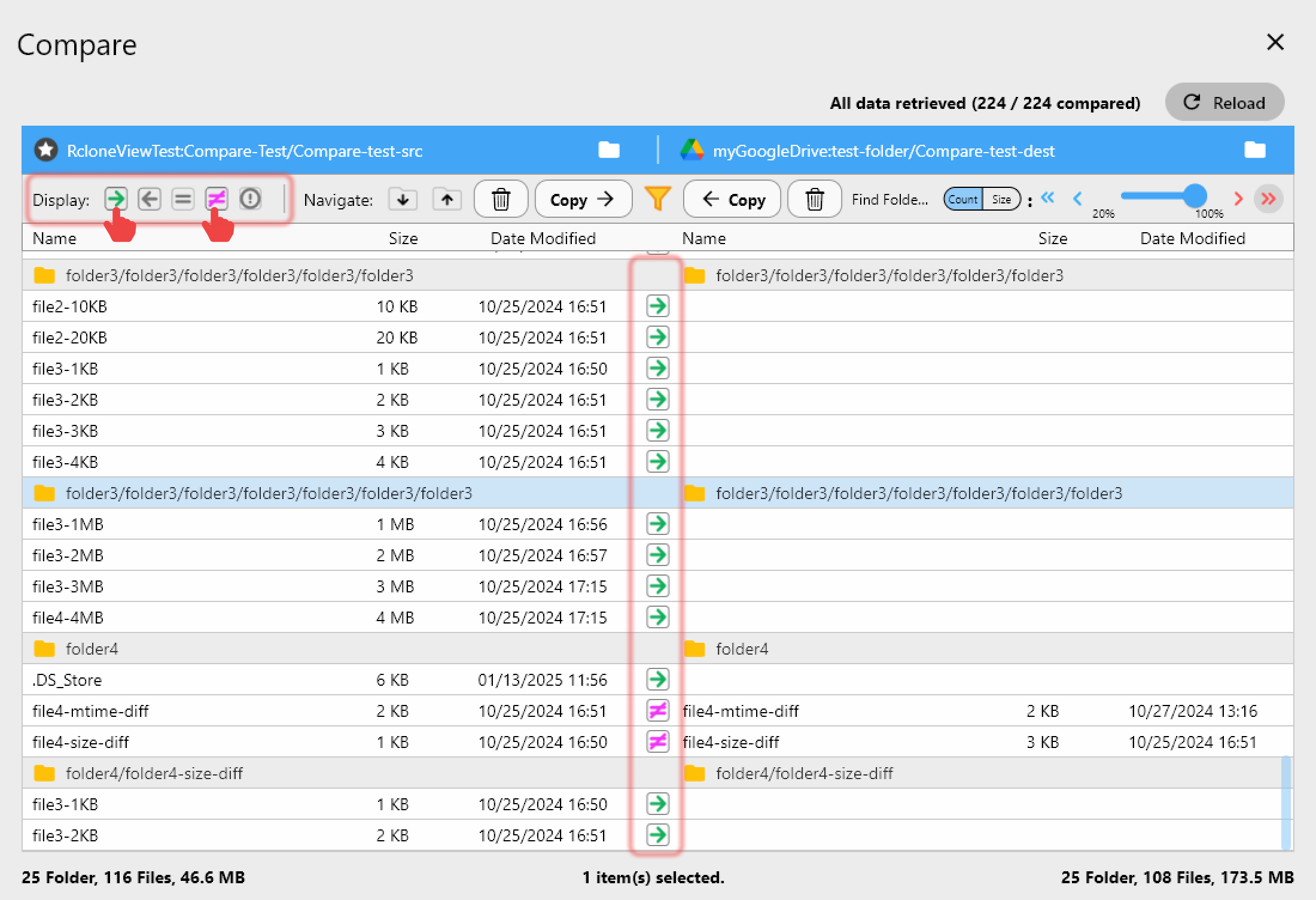
Step 5: Verify (1 minute)
Confirm the backup is complete:
Done. Five steps, five minutes, and your data has real protection.
Recommended Backup Pairs
| Primary Cloud | Backup Destination | Monthly Cost (1 TB) |
|---|---|---|
| Google Drive | Backblaze B2 | $6 |
| OneDrive | AWS S3 Glacier | $4 |
| Dropbox | Wasabi | $7 |
| iCloud | IDrive e2 | $4 |
Getting Started
- Download RcloneView from rcloneview.com.
- Add two remotes — your primary and your backup.
- Create, run, schedule a Copy job.
- Stop assuming cloud storage is a backup. Make it one.
Related Guides:
Supported Cloud Providers