Migrate OneDrive to Dropbox with RcloneView
Switching from OneDrive to Dropbox means moving files between two different ecosystems — RcloneView handles the transfer, metadata preservation, and verification through a visual interface.
OneDrive integrates deeply with Microsoft 365, while Dropbox focuses on file sync and collaboration with broad third-party app integration. Organizations switching productivity suites, teams moving to Dropbox for its superior smart sync or Paper features, or individuals who prefer Dropbox's file recovery capabilities all face the same challenge: transferring potentially years of data between platforms. RcloneView connects to both via their respective APIs and provides a straightforward migration path.
Manage & Sync All Clouds in One Place
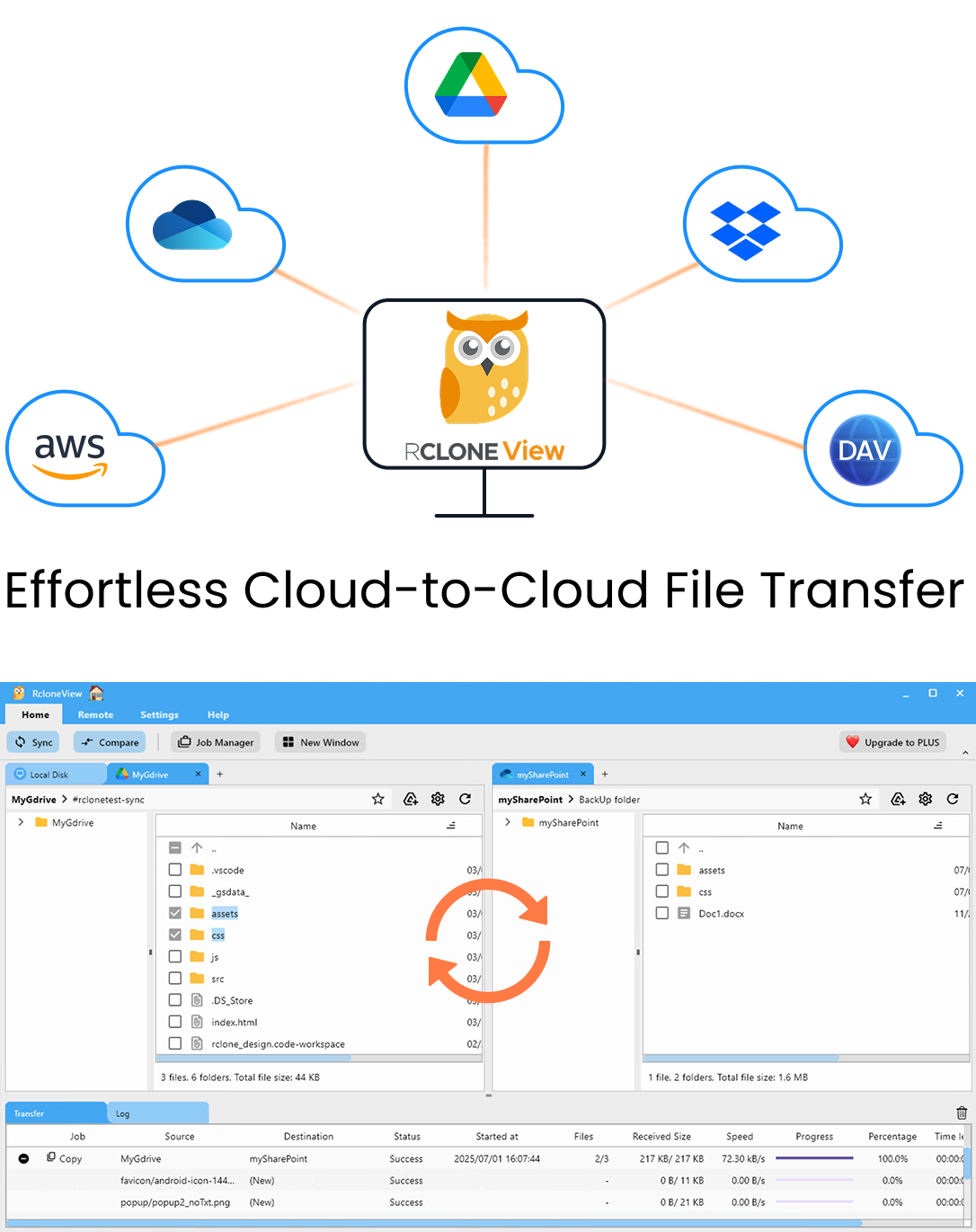
RcloneView is a cross-platform GUI for rclone. Compare folders, transfer or sync files, and automate multi-cloud workflows with a clean, visual interface.
- One-click jobs: Copy · Sync · Compare
- Schedulers & history for reliable automation
- Works with Google Drive, OneDrive, Dropbox, S3, WebDAV, SFTP and more
Free core features. Plus automations available.
Why Migrate from OneDrive to Dropbox
The decision typically involves one or more of these factors:
- Platform switch: Moving from Microsoft 365 to Google Workspace or a suite that does not include OneDrive, while preferring Dropbox for file storage.
- Smart Sync: Dropbox's smart sync (online-only files with local placeholders) has a longer track record and broader application compatibility than OneDrive's Files On-Demand.
- Third-party integrations: Dropbox connects with a wider range of creative and productivity tools through its API ecosystem.
- File recovery: Dropbox Business plans offer 180 days of version history, compared to OneDrive's 30-day limit on Personal plans.
- Cross-platform consistency: Dropbox provides a more uniform experience across Windows, macOS, and Linux.
Setting Up Both Remotes
OneDrive Remote
Open RcloneView's Remote Manager and add a Microsoft OneDrive remote. Authorize via OAuth, selecting OneDrive Personal or Business depending on your account type. For Business accounts, choose your personal drive or a SharePoint document library.
Dropbox Remote
Add a Dropbox remote. Authorize via OAuth — RcloneView opens a browser window for Dropbox login and permission grant. The token is stored in your local rclone configuration. Dropbox remotes provide access to your entire Dropbox, including team folders if you are on a Business plan.
Planning the Migration
Before starting the transfer:
- Filename compatibility: OneDrive for Business restricts characters like
#and%, while Dropbox has its own restrictions (e.g., trailing spaces and periods). Files that exist on OneDrive may need renaming for Dropbox compatibility. RcloneView handles encoding automatically, but review your file structure for edge cases. - Size and structure: Use RcloneView's storage analysis to determine total data volume. A 500 GB migration at 50 Mbps takes roughly 22 hours.
- Shared files and links: OneDrive sharing permissions and links do not transfer to Dropbox. Document any critical shared links before migrating so you can recreate them on Dropbox.
- OneNote notebooks: OneNote files stored on OneDrive are not standard files — they require export before migration. Consider exporting them separately.
Executing the Migration
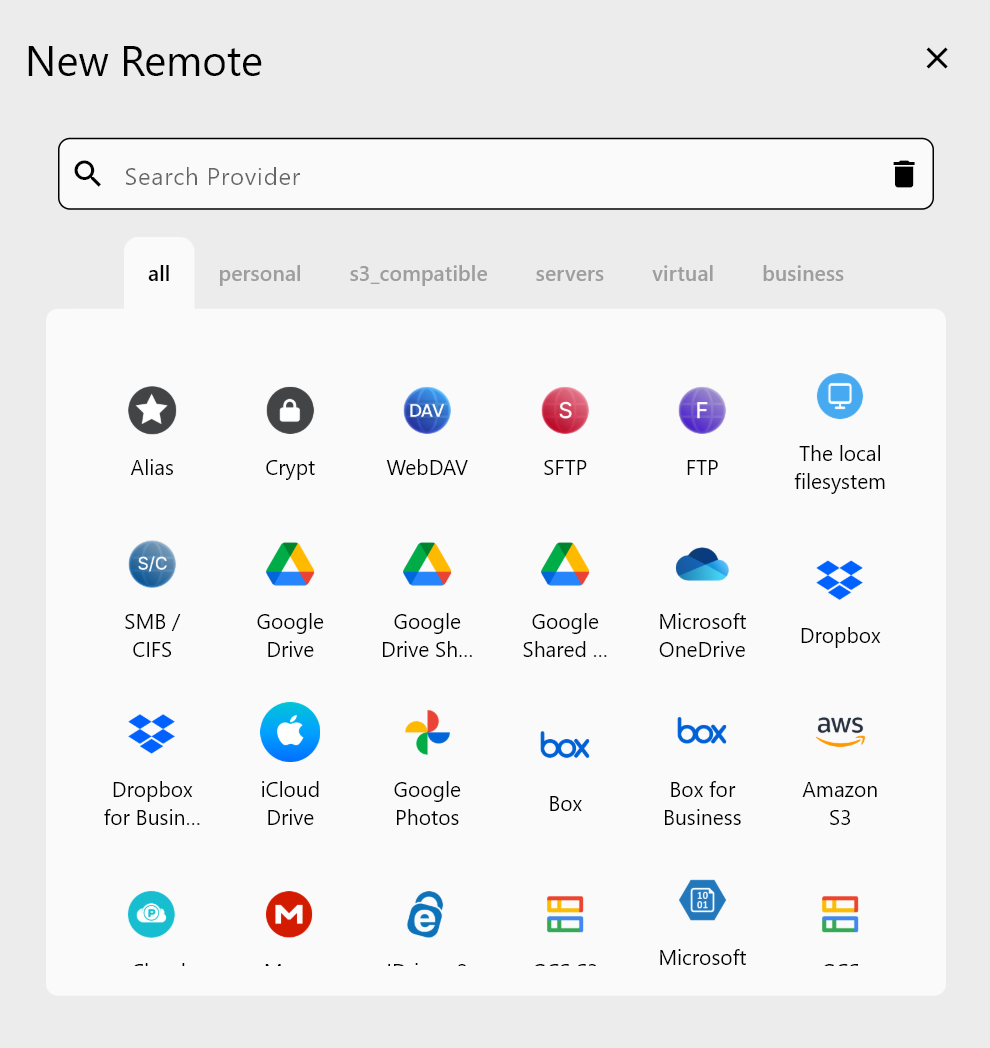
Open OneDrive in the left pane and Dropbox in the right. Navigate to the source folder and target location. Use a copy job for the initial migration to preserve files on both sides until verification is complete.
RcloneView compares files using size and modification time. OneDrive uses QuickXorHash while Dropbox uses its own content hash — since these are incompatible, RcloneView relies on size and timestamp comparison for delta detection between these two providers. Files that match are skipped, and only new or changed files are transferred.
For large migrations, enable multi-threaded transfers and set an appropriate bandwidth limit to avoid saturating your connection. RcloneView's real-time monitoring shows transfer progress, speed, and estimated completion time.
Verifying the Migration
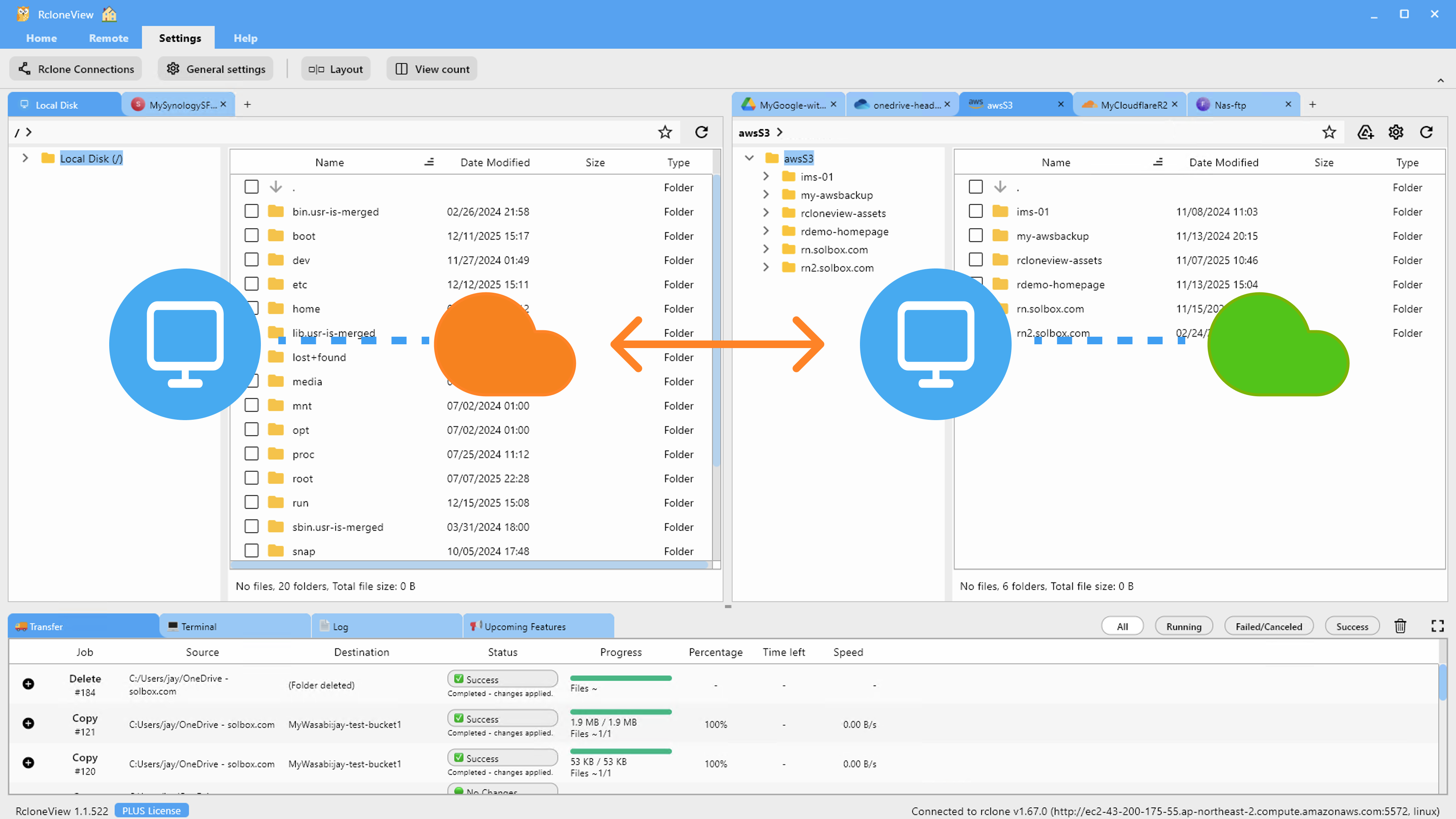
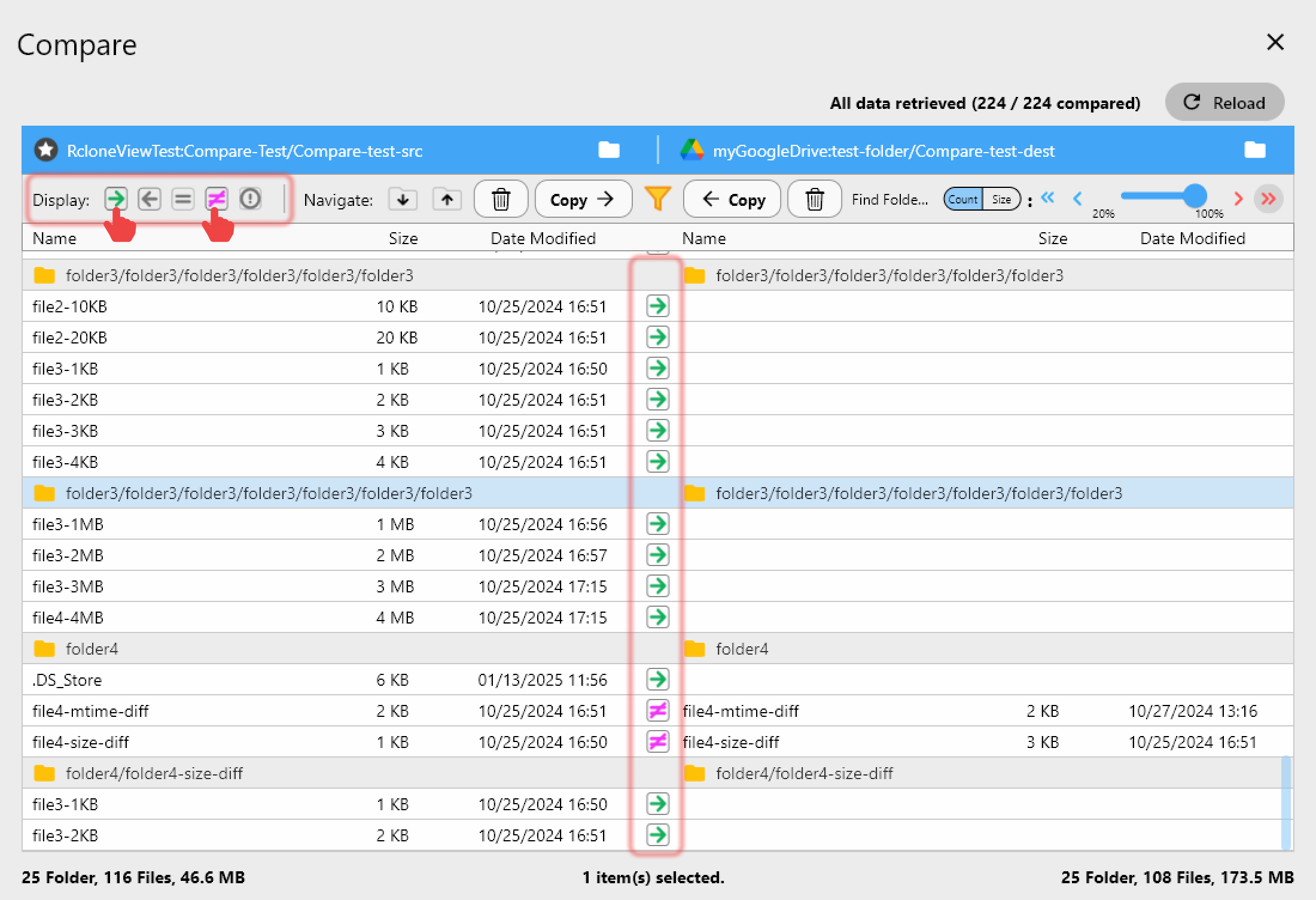
After the transfer, use RcloneView's compare feature to verify completeness. Select the OneDrive source and Dropbox destination and run a comparison. Files that match appear as identical; missing or differing files are highlighted.
Pay attention to Google Docs-style files if you had any Office Online documents — these should have been converted to standard Office formats during the transfer. Verify that the converted files open correctly in Dropbox.
Post-Migration Steps
- Install the Dropbox desktop client and configure smart sync preferences.
- Recreate any shared links or folder permissions on Dropbox.
- Update application integrations that pointed to OneDrive paths.
- Keep the OneDrive data for a transition period (30-60 days) before deleting it.
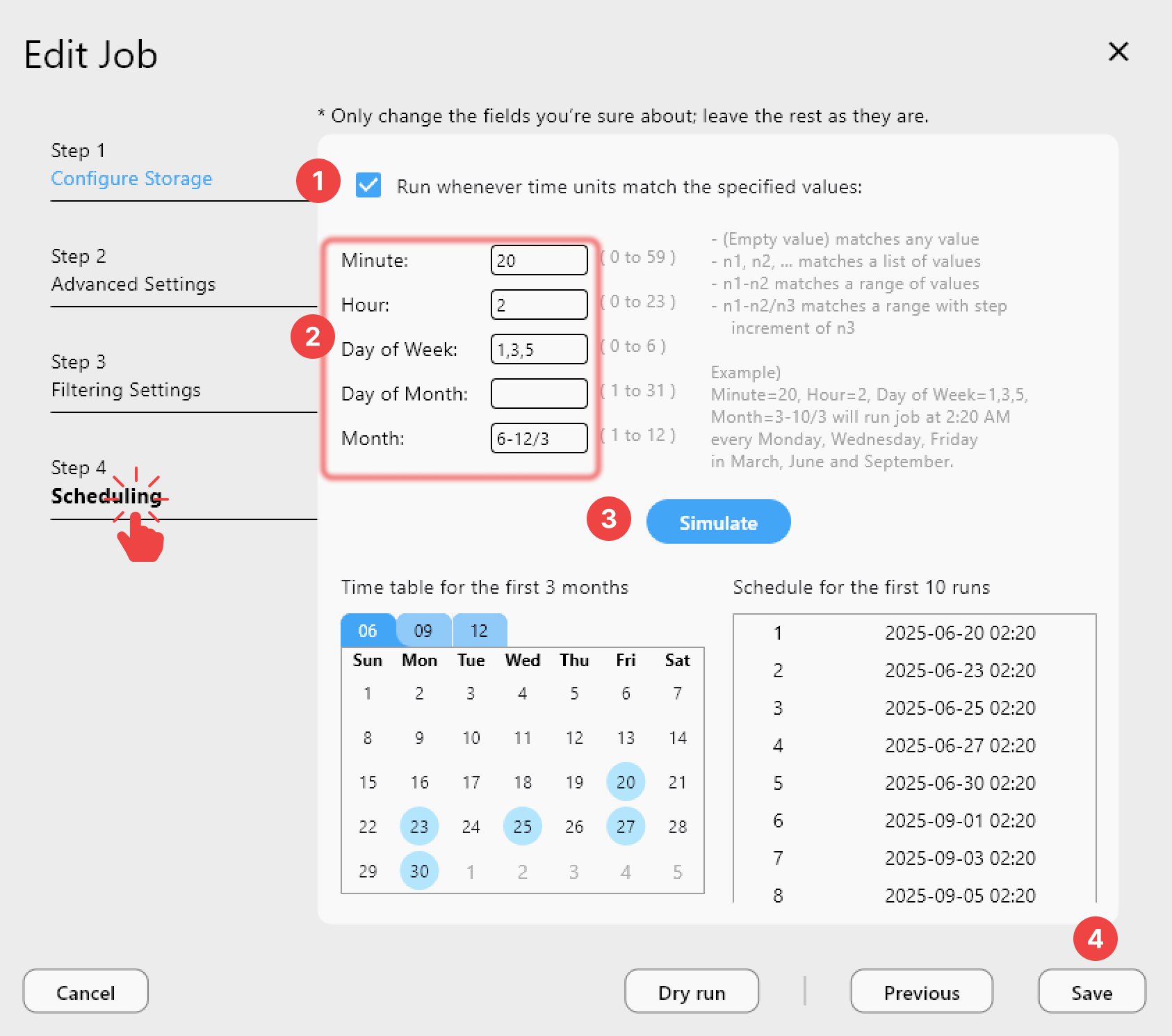
- If running both in parallel, schedule a daily sync job in RcloneView to keep Dropbox current.
Getting Started
- Download RcloneView from rcloneview.com.
- Add OneDrive and Dropbox remotes in the Remote Manager.
- Run a copy job from OneDrive to Dropbox.
- Verify with the compare feature.
- Complete post-migration steps and decommission OneDrive when ready.
OneDrive and Dropbox serve different ecosystems, but RcloneView ensures your data moves between them cleanly and completely.
Related Guides:
Supported Cloud Providers