Install and Run RcloneView on Alpine Linux for Lightweight Cloud Sync
Alpine Linux is built for security and simplicity — a base install under 10 MB. Running RcloneView on Alpine gives you a powerful multi-cloud file manager on the leanest possible foundation.
Alpine Linux has become the default base image for Docker containers and a popular choice for lightweight servers, edge devices, and embedded systems. Its musl libc and BusyBox userland keep the footprint tiny, while its security-oriented design (PaX, grsecurity heritage) appeals to infrastructure teams. If you are running Alpine — whether as a container base, a VM, or bare metal — RcloneView gives you a graphical multi-cloud file manager without bloating your system. This guide covers native installation, Docker-based setup, and tips for running RcloneView efficiently on minimal hardware.
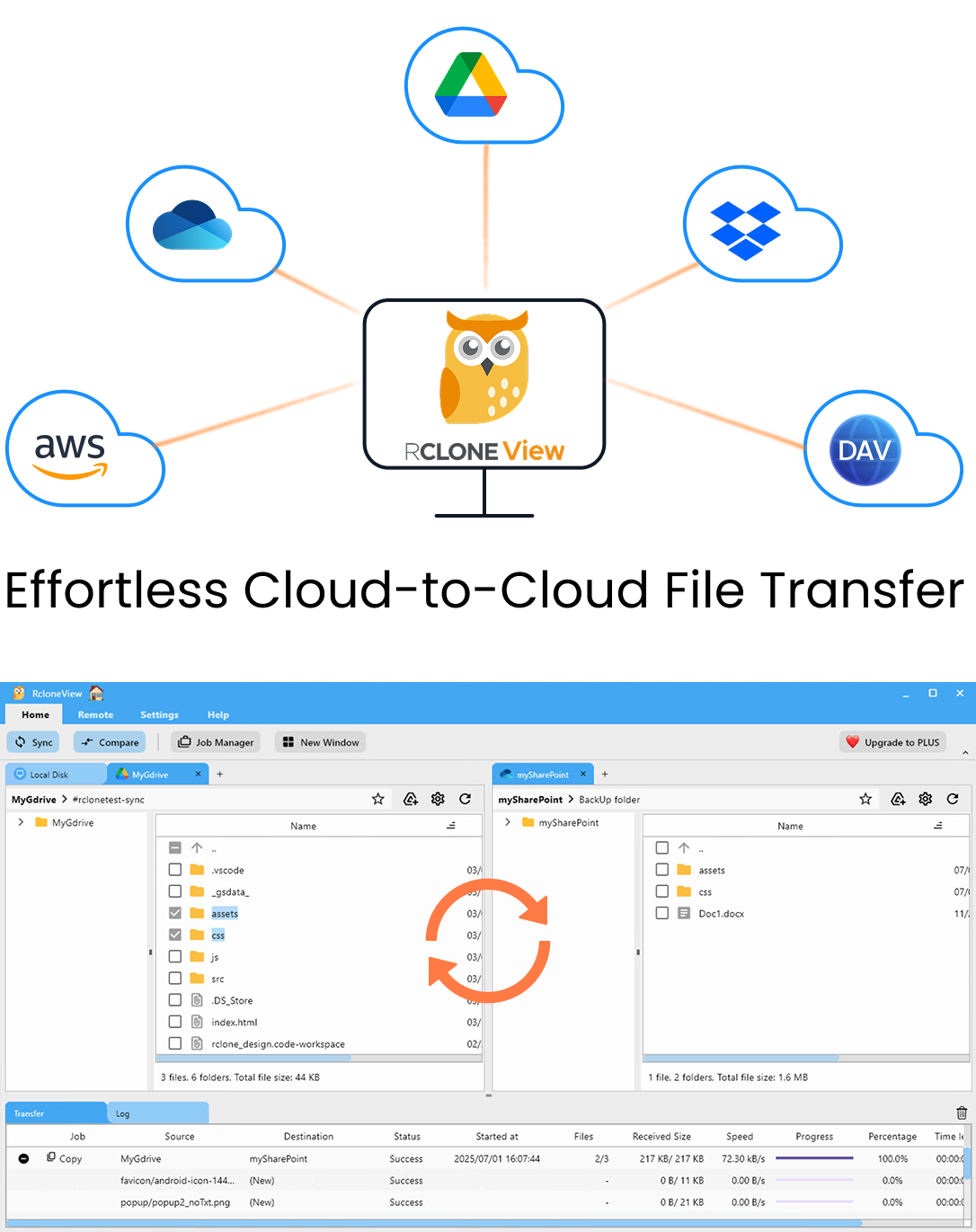
Manage & Sync All Clouds in One Place
RcloneView is a cross-platform GUI for rclone. Compare folders, transfer or sync files, and automate multi-cloud workflows with a clean, visual interface.
- One-click jobs: Copy · Sync · Compare
- Schedulers & history for reliable automation
- Works with Google Drive, OneDrive, Dropbox, S3, WebDAV, SFTP and more
Free core features. Plus automations available.
Why Alpine Linux for Cloud Sync
Alpine's advantages for cloud file management workloads include:
- Minimal attack surface — fewer packages mean fewer vulnerabilities, important when handling cloud credentials.
- Fast boot and deployment — spin up a sync worker in seconds, whether as a container or VM.
- Low resource usage — ideal for always-on backup jobs on small VPS instances or Raspberry Pi-class hardware.
- Rolling releases — stay current with security patches without major version upgrades.
For teams already using Alpine in their container infrastructure, running RcloneView on the same base keeps the toolchain consistent.
Prerequisites
Before installing RcloneView on Alpine, ensure you have:
- Alpine Linux 3.18 or later (3.20+ recommended)
- At least 512 MB RAM (1 GB recommended for large transfers)
- Network access to your cloud storage providers
- A desktop environment or X11 forwarding if running the GUI locally (or use the web-based interface)
Installation: Native on Alpine
Step 1 — Install dependencies
RcloneView requires rclone and a few standard libraries. Install them via apk:
apk update
apk add rclone fuse3 ca-certificates wget
For the GUI components, you may also need:
apk add libx11 libxcomposite libxdamage libxrandr libxfixes \
    mesa-gl gtk+3.0 nss alsa-lib
Step 2 — Download RcloneView
Download the Linux build from the RcloneView website:
wget https://rcloneview.com/src/download.html -O /tmp/rcloneview-setup
Follow the installer prompts, or extract the AppImage/archive to your preferred directory.
Step 3 — Verify the installation
rcloneview --version
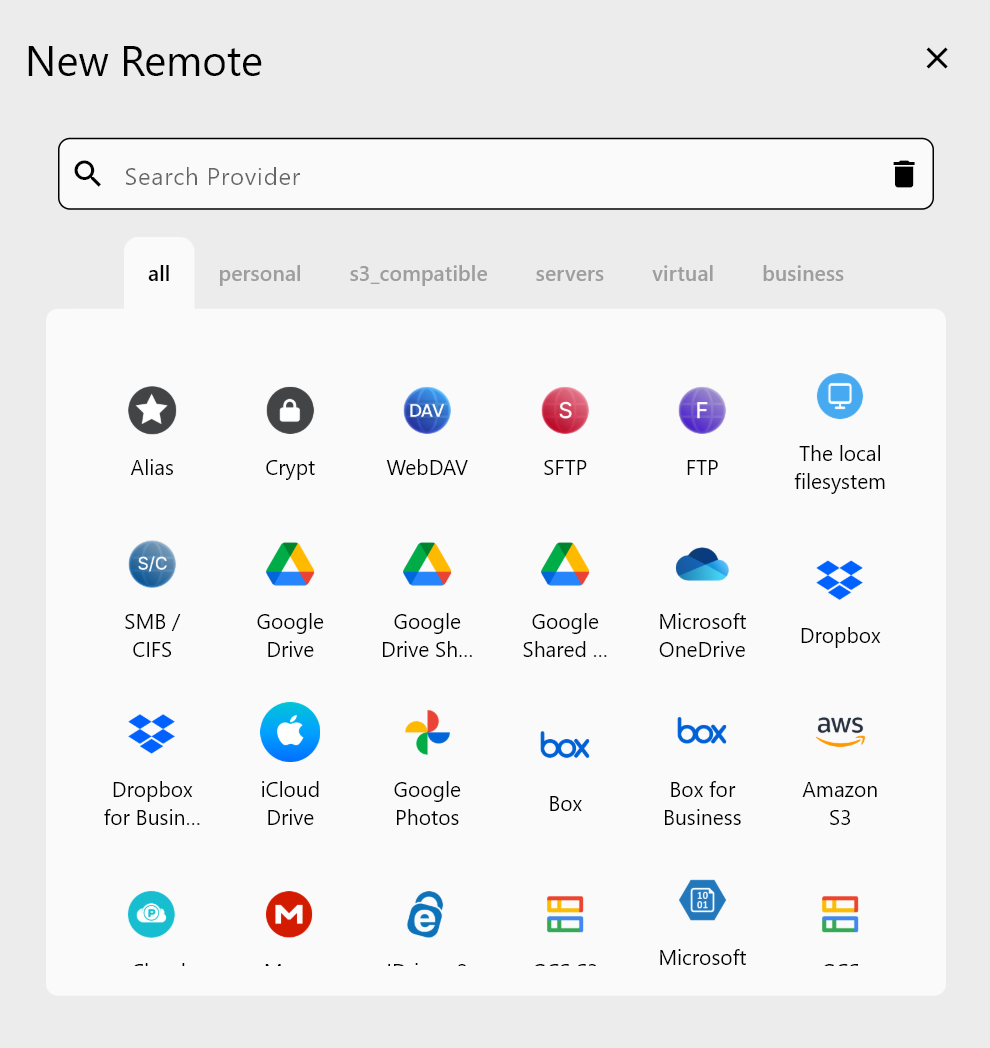
Step 4 — Connect your first remote
Launch RcloneView and use the New Remote wizard to connect to Google Drive, S3, Backblaze B2, or any other supported provider. The setup process is identical to any other Linux distribution — Alpine's differences are at the system level, not in RcloneView's interface.
Installation: Docker on Alpine
Docker is the most common way to run applications on Alpine. This approach avoids dependency conflicts entirely.
Docker Compose setup
Create a docker-compose.yml:
version: "3.8"
services:
  rcloneview:
    image: rcloneview/rcloneview:latest
    container_name: rcloneview
    ports:
      - "5572:5572"
    volumes:
      - ./rclone-config:/config/rclone
      - ./data:/data
    environment:
      - PUID=1000
      - PGID=1000
    restart: unless-stopped
Start the container:
docker-compose up -d
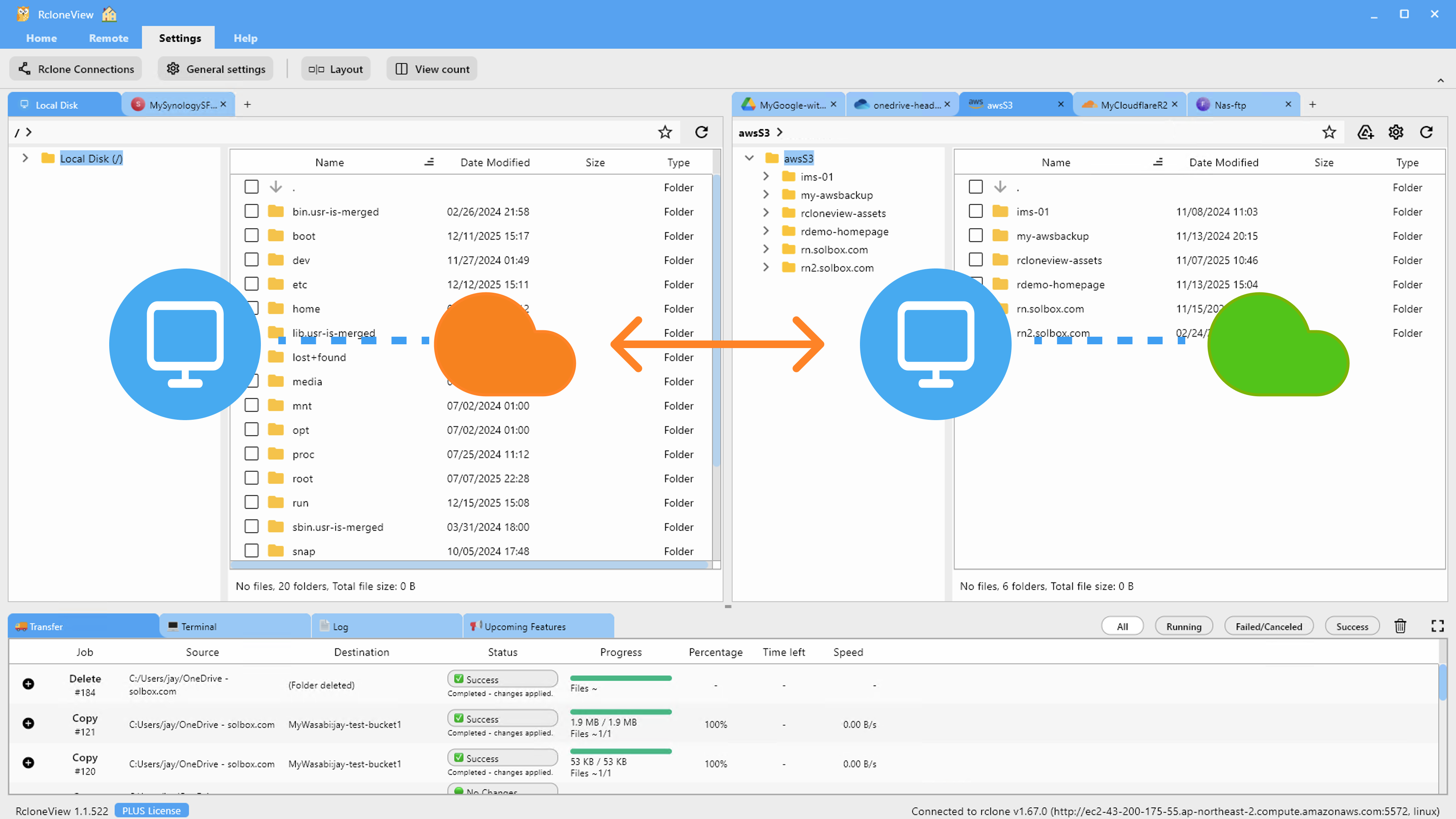
Access RcloneView at http://localhost:5572 from your browser.
Persistent configuration
The volume mount ./rclone-config:/config/rclone ensures your remote configurations survive container restarts. Back up this directory — it contains your cloud credentials.
Performance on Minimal Hardware
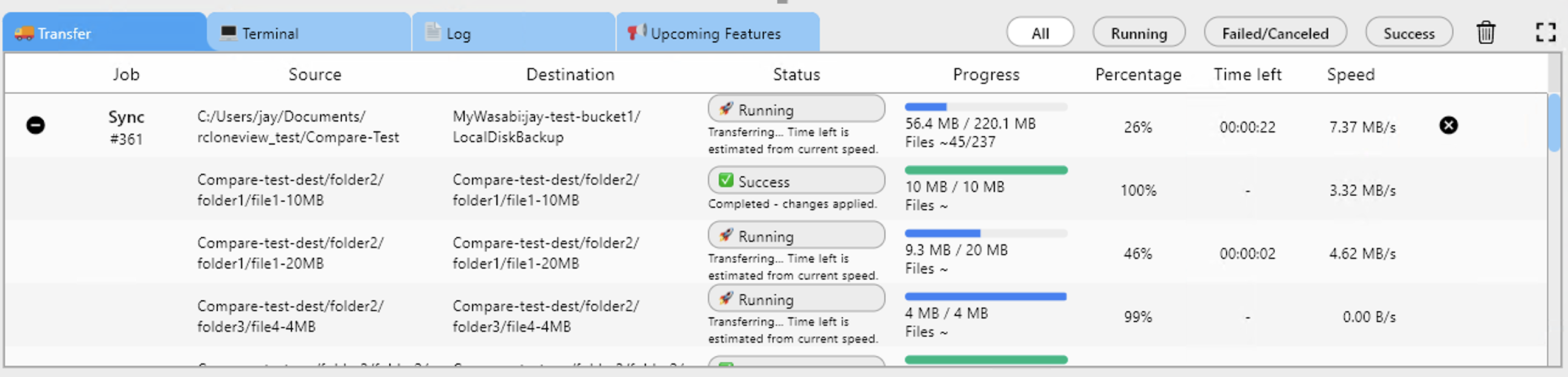
Alpine's low overhead means more system resources are available for actual file transfers. Benchmarks on a 1-core, 1 GB RAM VPS show:
| Metric | Alpine + RcloneView | Ubuntu + RcloneView |
|---|---|---|
| Base OS memory usage | ~40 MB | ~180 MB |
| Available RAM for transfers | ~940 MB | ~800 MB |
| Container image size | ~80 MB | ~350 MB |
| Boot to ready | ~3 seconds | ~12 seconds |
For bandwidth-limited cloud transfers, the CPU and memory savings rarely affect throughput directly — but on constrained hardware like a 512 MB VPS or Raspberry Pi, the difference between 40 MB and 180 MB of base OS overhead is significant.
Tuning tips
- Increase rclone checkers and transfers in RcloneView settings if you have spare CPU cores:
--transfers 8 --checkers 16. - Use
--buffer-size 0on very low-memory systems to avoid buffering large files in RAM. - Enable
--use-mmapfor better memory efficiency on large file operations.
Troubleshooting Common Alpine Issues
- musl vs glibc compatibility — Alpine uses musl libc instead of glibc. If you encounter shared library errors, install the gcompat package:
apk add gcompat. - FUSE mounts — to mount cloud storage as a local filesystem, install FUSE (
apk add fuse3 && modprobe fuse). In Docker, add--device /dev/fuseand--cap-add SYS_ADMINflags to the container.
Getting Started
- Choose your approach — native install for bare-metal Alpine, Docker for containerized setups.
- Install dependencies and download RcloneView.
- Connect your cloud remotes and start transferring files.
- Schedule automated sync and backup jobs for hands-off cloud management.
Alpine's philosophy is about keeping things small and purposeful. RcloneView fits that philosophy — one tool that replaces a tangle of scripts, cron jobs, and manual file shuffling.
Related Guides:
- Install RcloneView on Fedora, RHEL, and CentOS
- Run RcloneView on TrueNAS
- Automate Daily Cloud Backups
Supported Cloud Providers