Run RcloneView on ChromeOS — Cloud Sync on Your Chromebook via Linux
Chromebooks are great for Google Drive. But what about OneDrive, S3, Dropbox, or your NAS? ChromeOS's Linux support lets you run RcloneView for full multi-cloud management on your Chromebook.
Chromebooks are built around Google Drive, but many users need access to other cloud providers. Students might have OneDrive from school, professionals need S3 access, and anyone switching from another platform has files elsewhere. ChromeOS's Linux (Crostini) environment lets you install RcloneView and manage all your cloud accounts from your Chromebook.
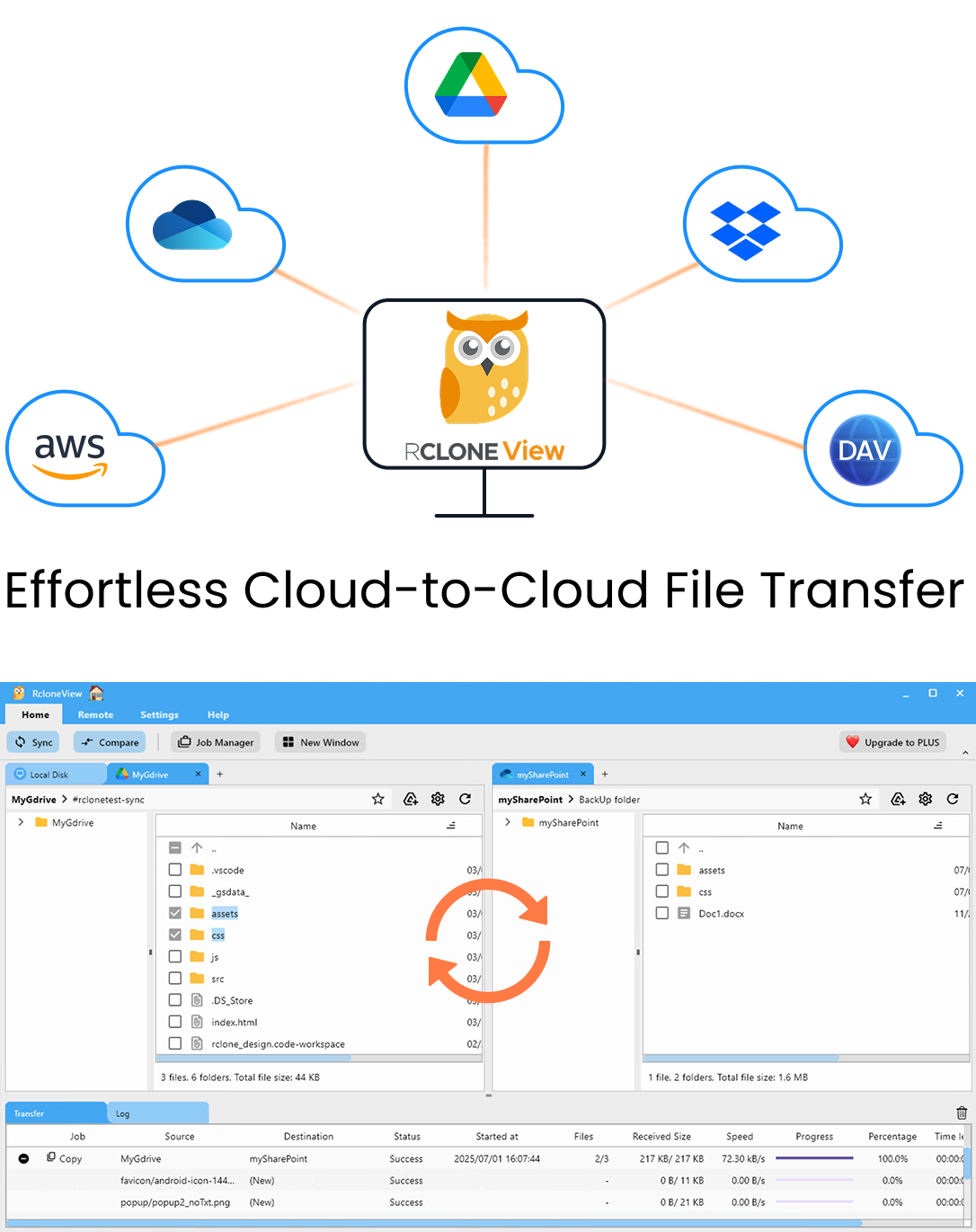
Manage & Sync All Clouds in One Place
RcloneView is a cross-platform GUI for rclone. Compare folders, transfer or sync files, and automate multi-cloud workflows with a clean, visual interface.
- One-click jobs: Copy · Sync · Compare
- Schedulers & history for reliable automation
- Works with Google Drive, OneDrive, Dropbox, S3, WebDAV, SFTP and more
Free core features. Plus automations available.
Enable Linux on ChromeOS
ChromeOS includes a built-in Linux environment (Crostini). Enable it in Settings → Advanced → Developers → Linux development environment.
Once enabled, you have a full Debian-based Linux environment where RcloneView runs natively.
Install RcloneView
Install using the standard Linux installation method. Your Chromebook's Linux container has its own filesystem, with access to the ChromeOS Downloads folder.
What You Can Do
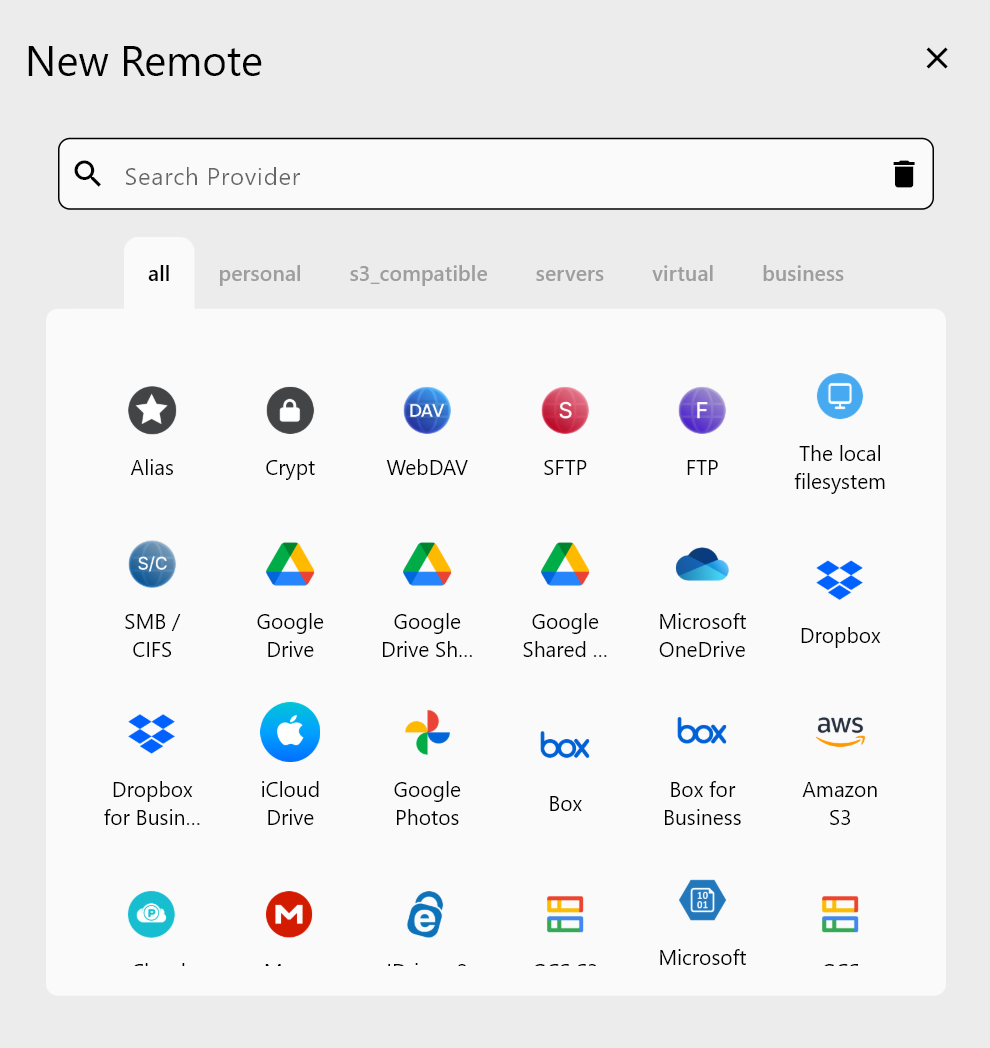
Manage all clouds from one place
Browse Google Drive, OneDrive, S3, Dropbox, and 70+ providers in one interface:
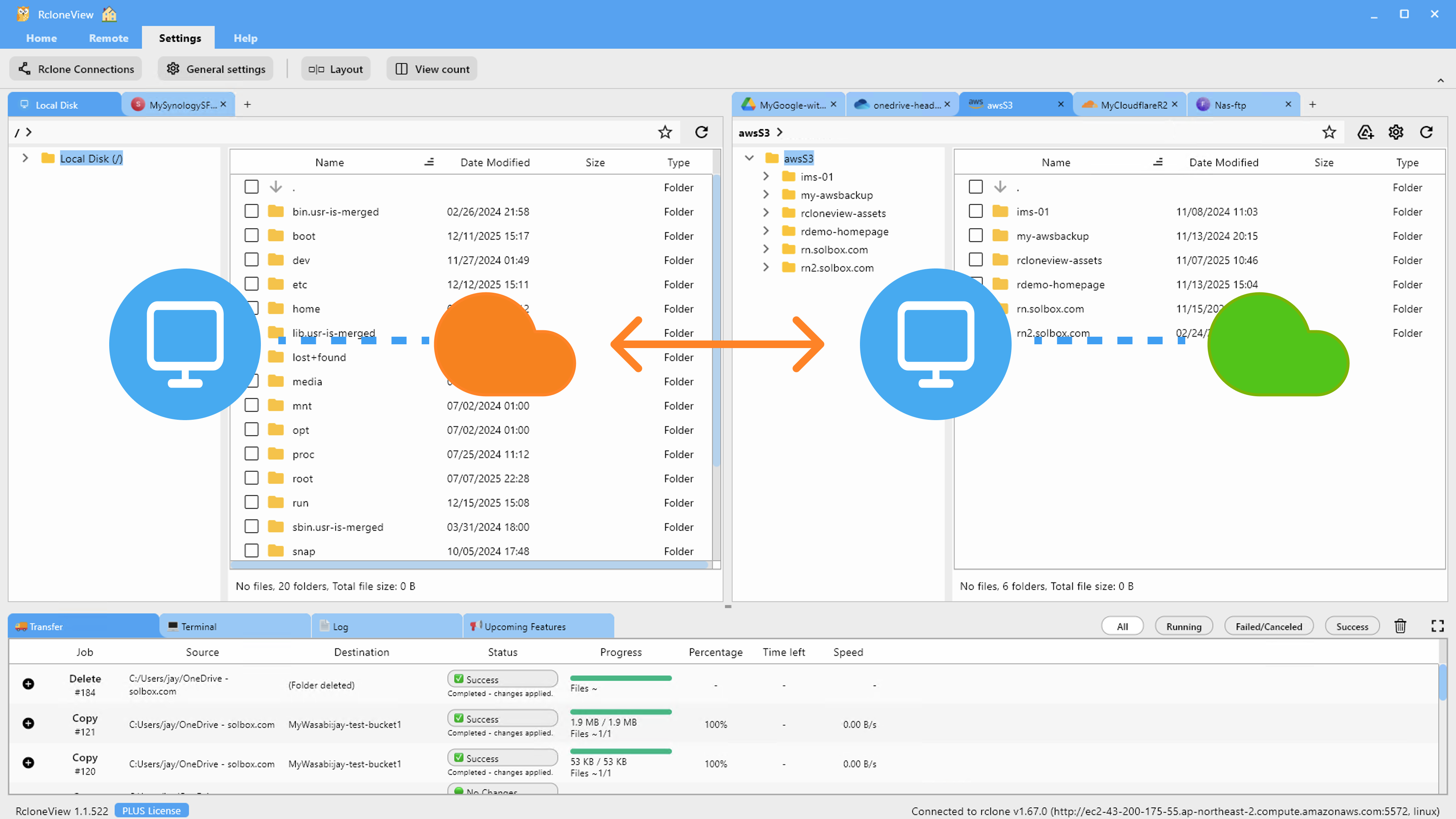
Transfer between providers
Move files between any two cloud accounts without downloading locally — essential on Chromebooks with limited local storage.
Back up non-Google clouds
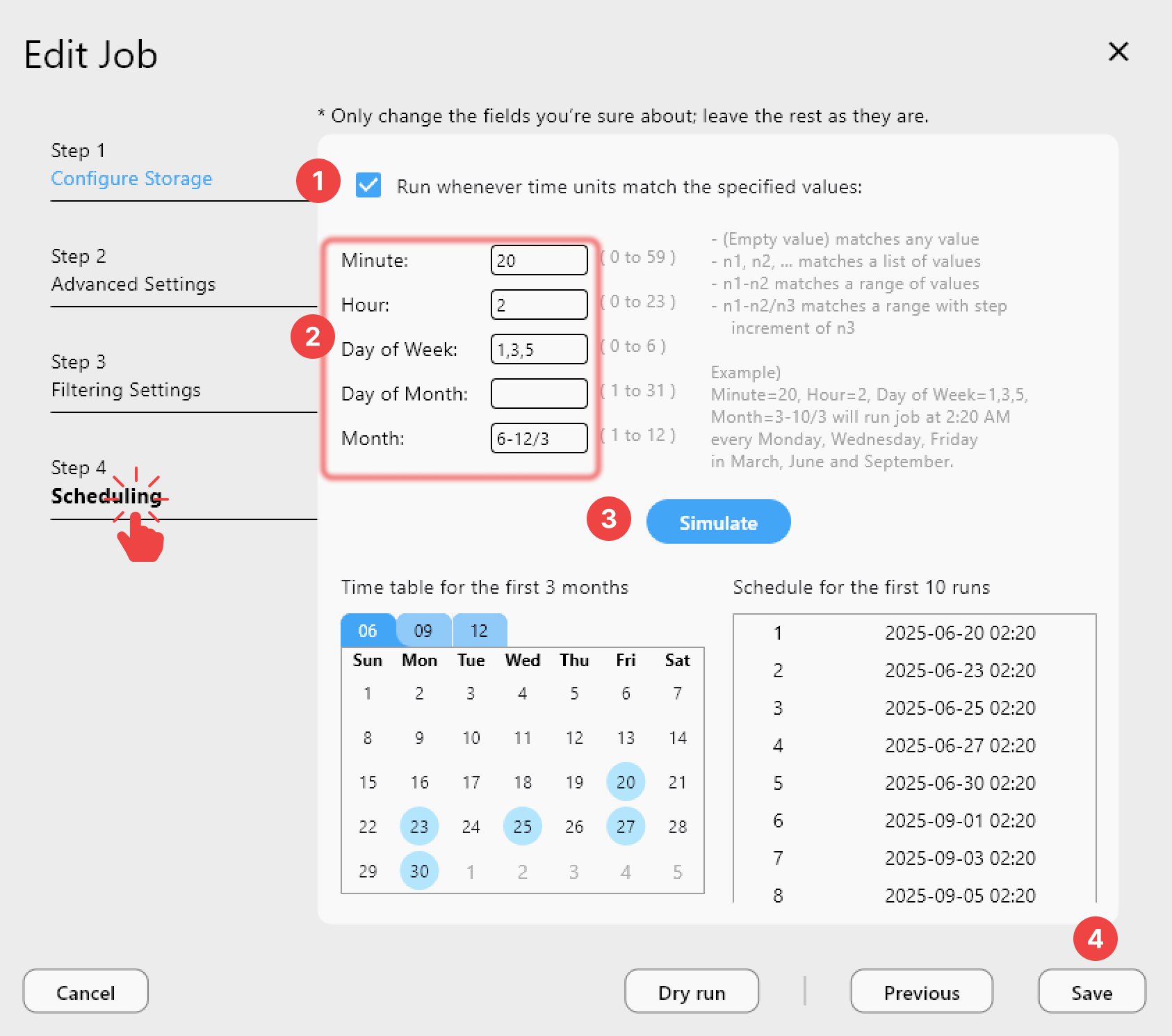
Schedule backups from OneDrive or Dropbox to Google Drive or S3:
Mount cloud storage
Mount remote storage as a local drive accessible from ChromeOS file manager.
ChromeOS-Specific Tips
- Storage is limited — Chromebooks have small SSDs; use cloud-to-cloud transfers to avoid filling local storage
- Linux container shares Downloads — files in the ChromeOS Downloads folder are accessible from Linux
- Allocate sufficient disk space to the Linux container for caching
- Keep Linux updated — run
sudo apt update && sudo apt upgradeperiodically
Getting Started
- Enable Linux in ChromeOS settings.
- Install RcloneView using Linux installation guide.
- Add your cloud accounts.
- Manage, sync, and transfer — all from your Chromebook.
Your Chromebook just became a multi-cloud workstation.
Related Guides:
Supported Cloud Providers