Cloud Sync with ISP Data Caps — Manage Bandwidth and Avoid Overages with RcloneView
Your ISP allows 1 TB per month. Your first cloud backup is 800 GB. If you're not careful, one sync job will eat your entire data cap and trigger overage charges.
Many internet providers impose monthly data caps — 1 TB is common, sometimes less. Cloud sync and backup jobs can consume significant bandwidth, especially during initial uploads or large migrations. RcloneView provides the controls you need: bandwidth limiting, scheduling, and incremental sync to keep your cloud workflows running without blowing through your data cap.
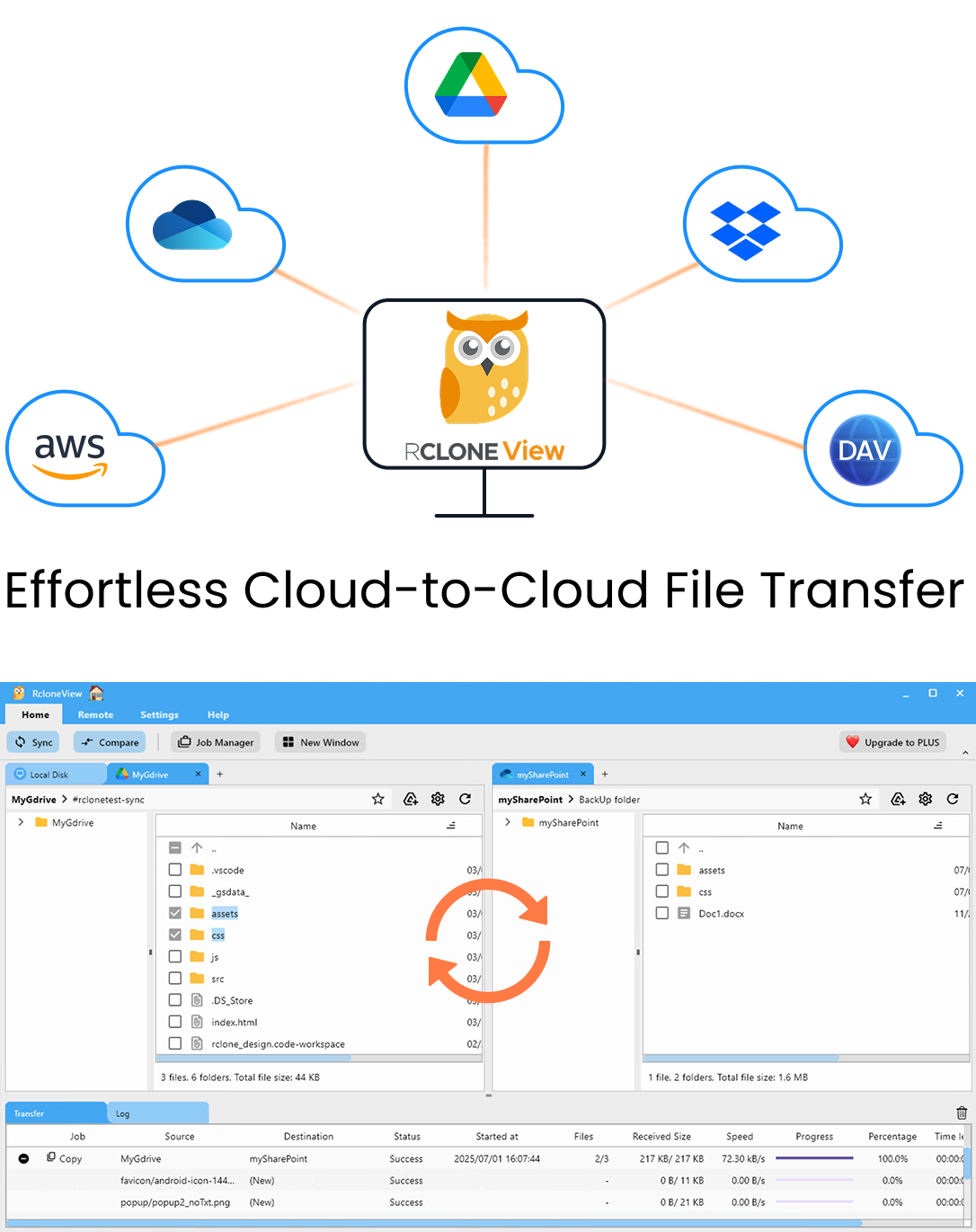
Manage & Sync All Clouds in One Place
RcloneView is a cross-platform GUI for rclone. Compare folders, transfer or sync files, and automate multi-cloud workflows with a clean, visual interface.
- One-click jobs: Copy · Sync · Compare
- Schedulers & history for reliable automation
- Works with Google Drive, OneDrive, Dropbox, S3, WebDAV, SFTP and more
Free core features. Plus automations available.
The Data Cap Challenge
| Operation | Typical Size | Cap Impact |
|---|---|---|
| Initial full backup | 100 GB - 2 TB | 10-200% of cap |
| Daily incremental sync | 1-10 GB | 0.1-1% of cap |
| Large file migration | 500 GB+ | 50%+ of cap |
| Monthly steady-state | 30-300 GB | 3-30% of cap |
The initial backup is the danger zone. After that, incremental syncs use minimal data.
Bandwidth Controls
Set transfer speed limits
RcloneView lets you set maximum transfer speeds. Cap uploads at 10 Mbps to leave bandwidth for other activities:
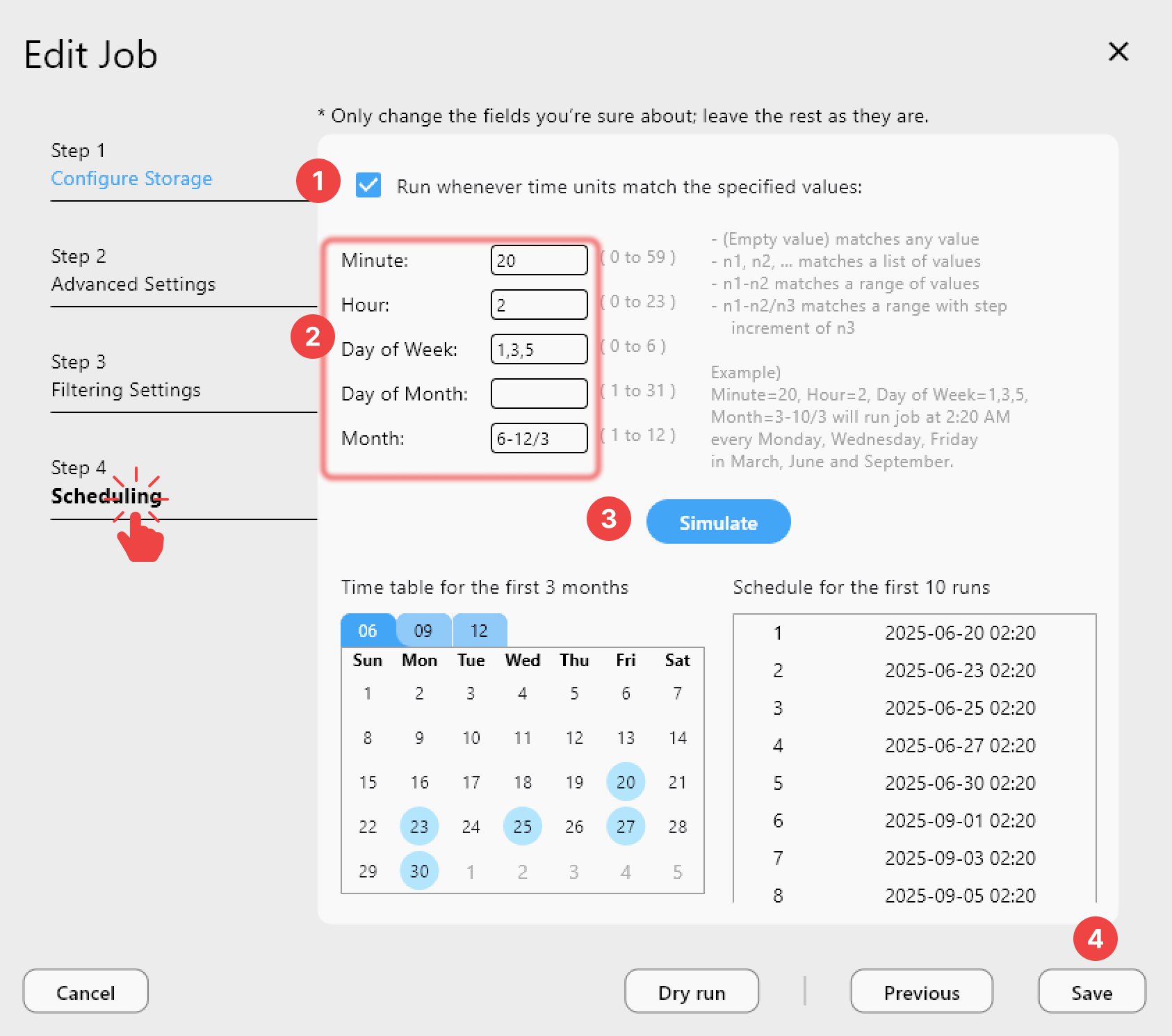
Schedule during off-peak hours
Some ISPs don't count overnight usage toward data caps, or have lower rates. Schedule large transfers between midnight and 6 AM:
Monitor transfer usage
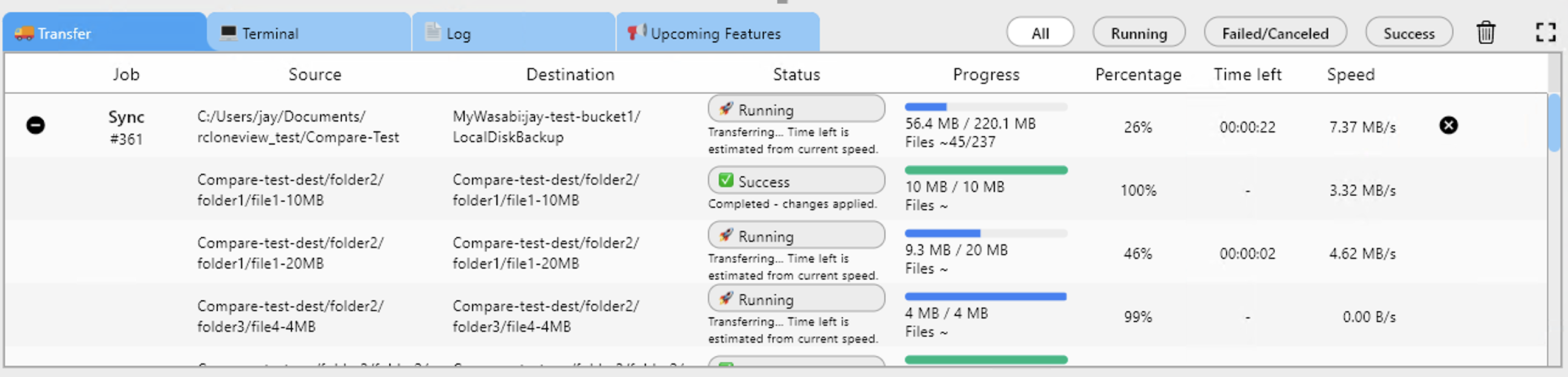
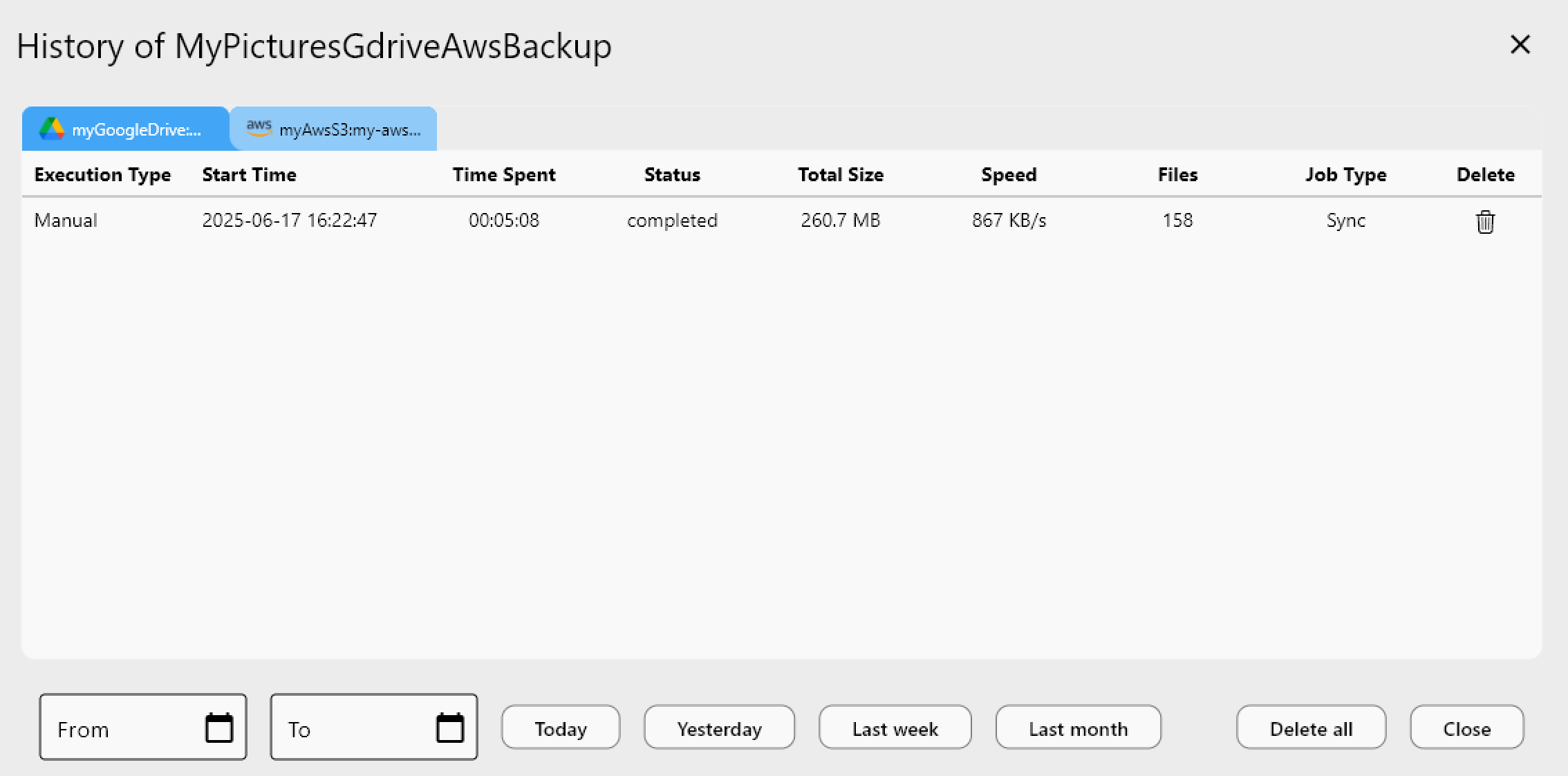
Track how much data each job transfers:
Strategies for Data-Capped Connections
1) Spread initial backup over weeks
Don't try to upload 1 TB in one night. Set a daily bandwidth budget (e.g., 30 GB/day) and let the backup complete over a month.
2) Use incremental sync from day one
After the initial backup, daily syncs only transfer changed files — typically 1-10 GB.
3) Exclude unnecessary files
Filter out large files you don't need backed up (system caches, temp files, .DS_Store).
4) Compress before uploading
Use the compress remote to reduce backup size by 30-60% for text-heavy data.
5) Choose providers with free egress
Providers like Cloudflare R2 have zero egress fees, saving bandwidth costs if you need to restore.
Getting Started
- Download RcloneView from rcloneview.com.
- Set bandwidth limits in your job configuration.
- Schedule off-peak transfers.
- Monitor data usage through job history.
Respect your data cap. Your wallet will thank you.
Related Guides:
Supported Cloud Providers