Install and Use RcloneView on Linux Mint for Cloud Sync
Linux Mint is one of the most popular desktop Linux distributions, but it lacks built-in cloud storage integration beyond basic Nemo file manager plugins — RcloneView fills that gap with full multi-cloud support.
Linux Mint ships with excellent desktop tools — Nemo file manager, Timeshift for system backups, and a polished Cinnamon (or MATE/Xfce) desktop. However, cloud storage integration is minimal. There is no native Google Drive, OneDrive, or Dropbox client from the system. While third-party solutions exist (Insync, rclone CLI, GNOME Online Accounts on MATE), none provide a comprehensive multi-cloud GUI. RcloneView runs natively on Linux Mint across all editions and connects to 70+ cloud providers.
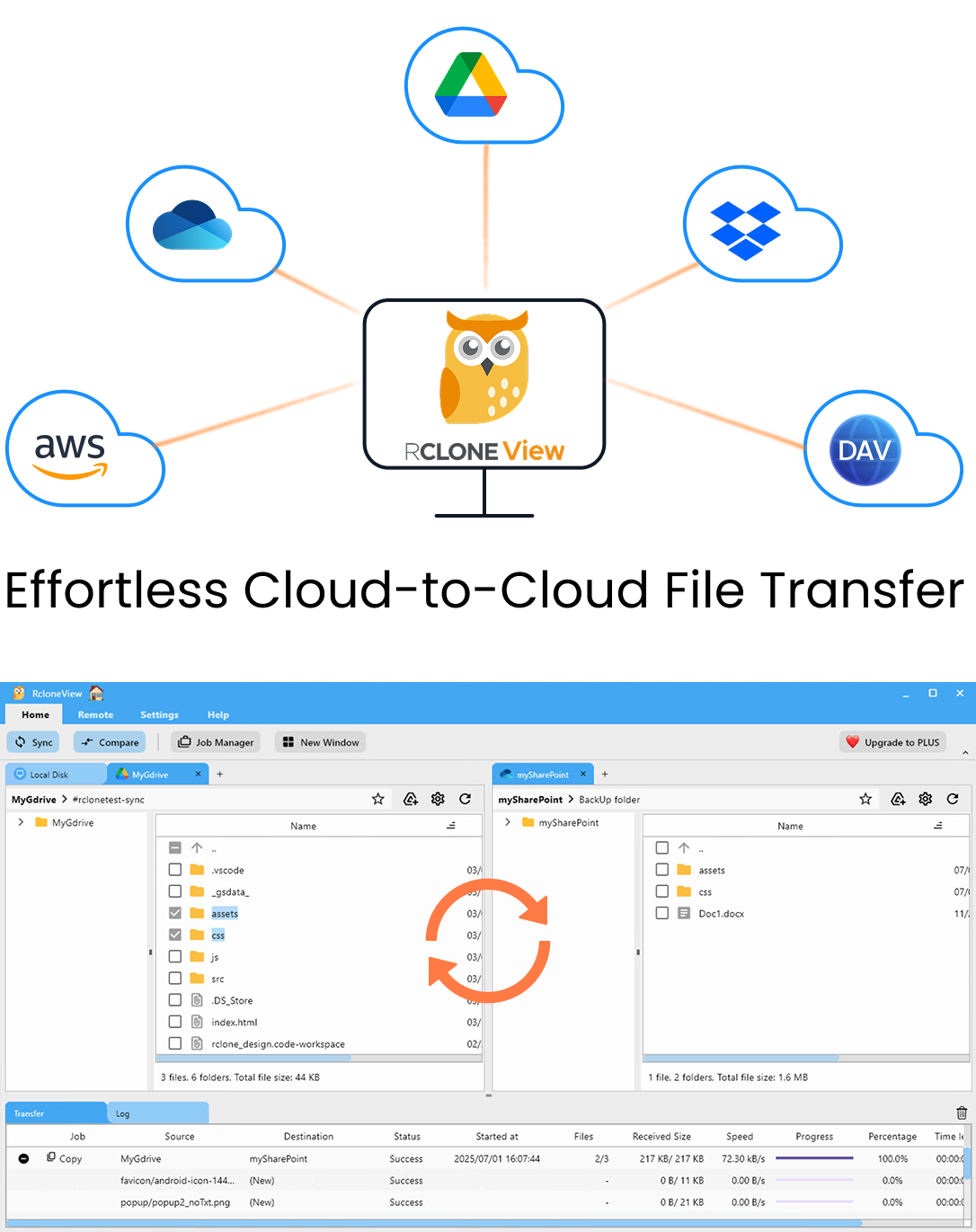
Manage & Sync All Clouds in One Place
RcloneView is a cross-platform GUI for rclone. Compare folders, transfer or sync files, and automate multi-cloud workflows with a clean, visual interface.
- One-click jobs: Copy · Sync · Compare
- Schedulers & history for reliable automation
- Works with Google Drive, OneDrive, Dropbox, S3, WebDAV, SFTP and more
Free core features. Plus automations available.
Installation on Linux Mint
Linux Mint is based on Ubuntu LTS, so installation follows the same process as Ubuntu/Debian systems.
Method 1: AppImage (Recommended)
The AppImage is the simplest installation method and works across all Linux Mint editions (Cinnamon, MATE, Xfce):
- Download the RcloneView AppImage from rcloneview.com.
- Make it executable: right-click the file in Nemo, select Properties > Permissions, and check "Allow executing file as program". Or run
chmod +x RcloneView-*.AppImagein the terminal. - Double-click to launch.
The AppImage bundles everything RcloneView needs, including an embedded rclone binary. No system packages are required.
Method 2: .deb Package
Download the .deb package from the RcloneView website. Install it by double-clicking (which opens the package manager) or from the terminal:
sudo dpkg -i rcloneview_*.deb
sudo apt-get install -f
The .deb package integrates with the system — it adds RcloneView to the application menu and handles desktop file associations.
FUSE Setup for Mounting
To mount cloud storage as local directories on Linux Mint, FUSE must be available. Most Mint installations include FUSE by default. Verify by running:
fusermount --version
If FUSE is not installed, add it:
sudo apt install fuse3
Ensure your user is in the fuse group:
sudo usermod -a -G fuse $USER
Log out and back in for the group change to take effect. After this, RcloneView can mount any cloud provider as a local directory that appears in Nemo alongside your local folders.
Adding Cloud Storage Remotes
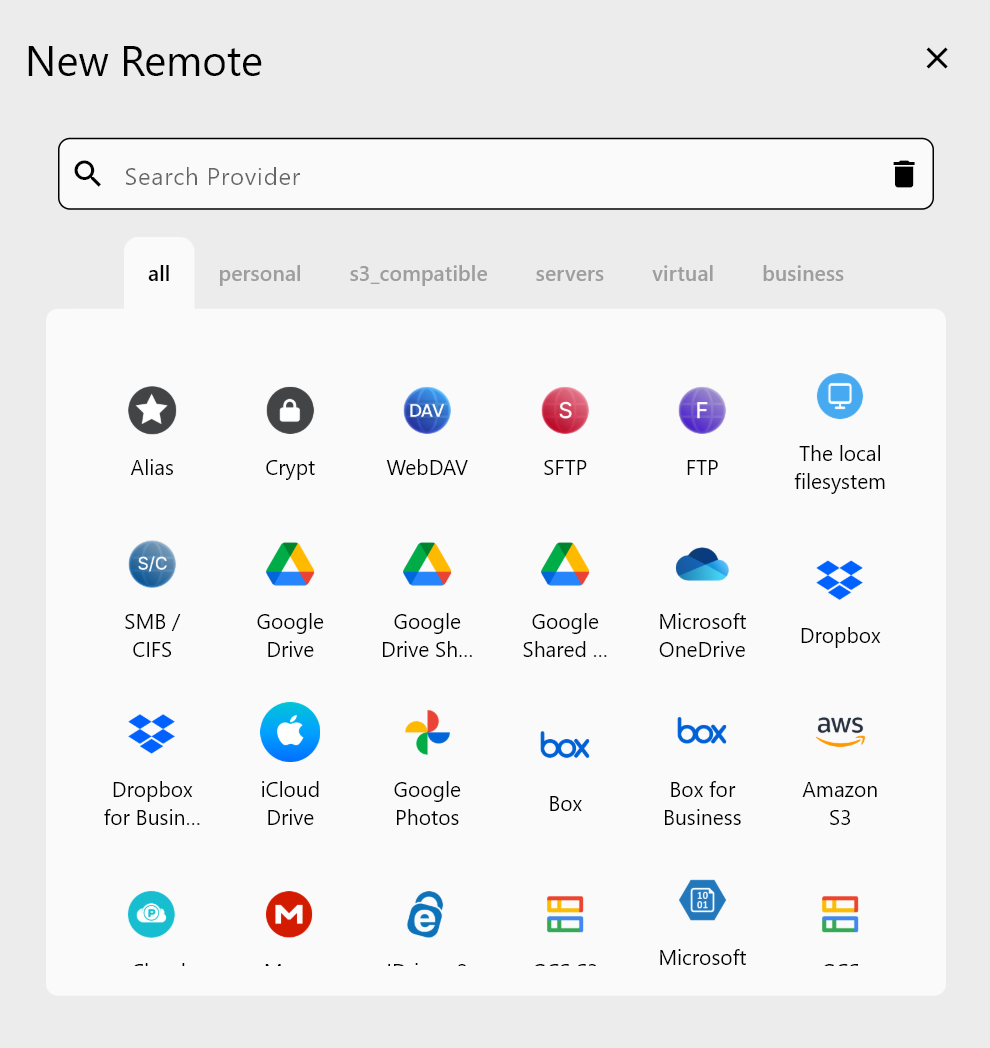
Launch RcloneView and open the Remote Manager. Add your cloud accounts:
- Google Drive: Select Google Drive, authorize via OAuth in your default browser (Firefox or Chromium on Mint).
- OneDrive: Select Microsoft OneDrive, authorize via OAuth.
- Dropbox: Select Dropbox, authorize via OAuth.
- S3-compatible: Enter your access key, secret key, and endpoint for AWS S3, Wasabi, Backblaze B2 S3, etc.
Each remote appears in the explorer dropdown. Linux Mint's default browser handles OAuth flows smoothly — no special configuration needed.
Browsing and Managing Cloud Files
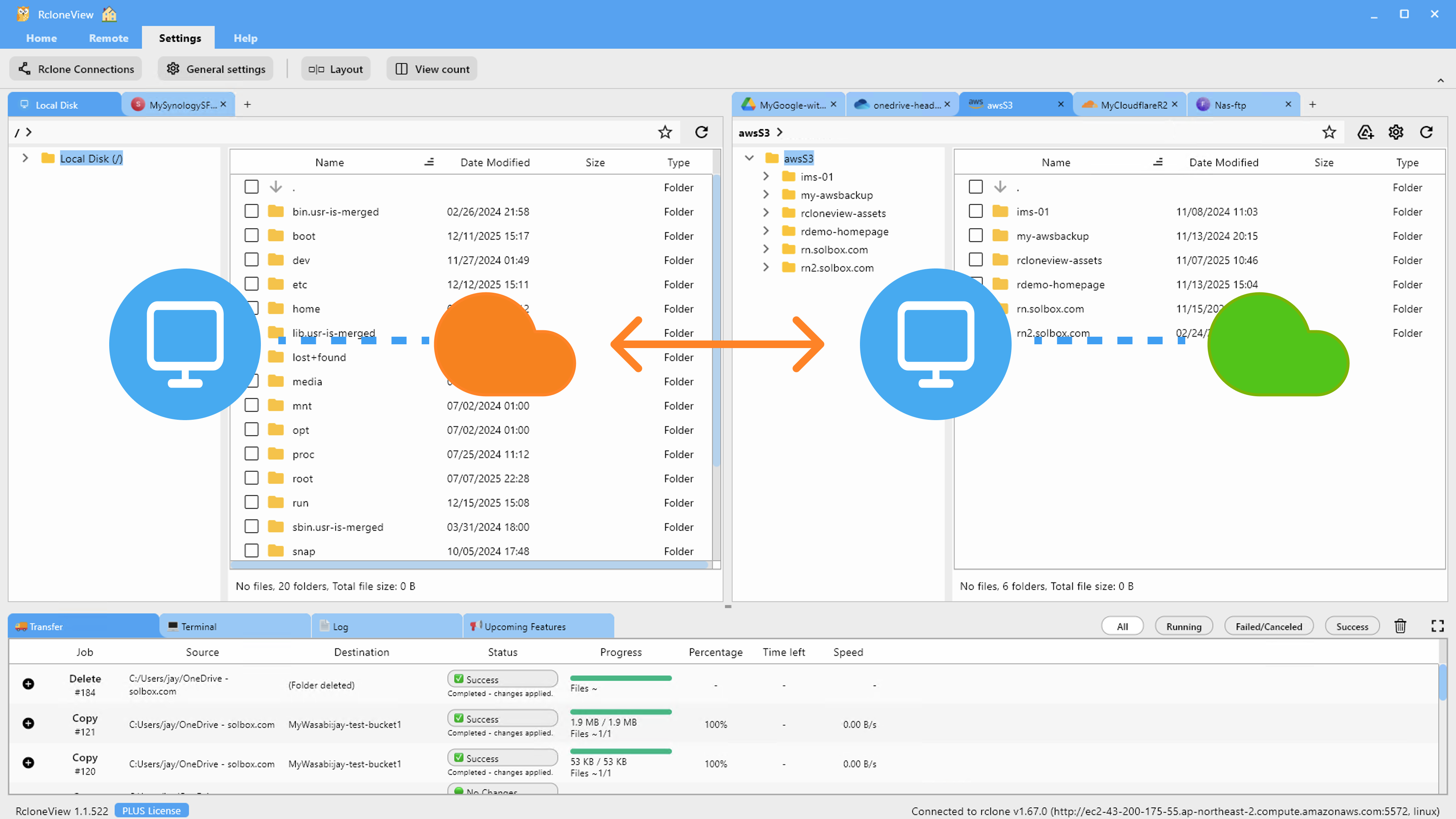
RcloneView's two-pane explorer complements Nemo for cloud operations. While Nemo handles local files excellently, RcloneView extends that capability to cloud storage. Browse Google Drive in one pane and your local home directory in the other. Drag and drop files between them, or between two different cloud providers.
For users familiar with Nemo's dual-pane mode (available via a Nemo extension), RcloneView's layout will feel natural. The difference is that RcloneView's panes can open any cloud provider, not just local and network paths.
Mounting Cloud Storage in Nemo
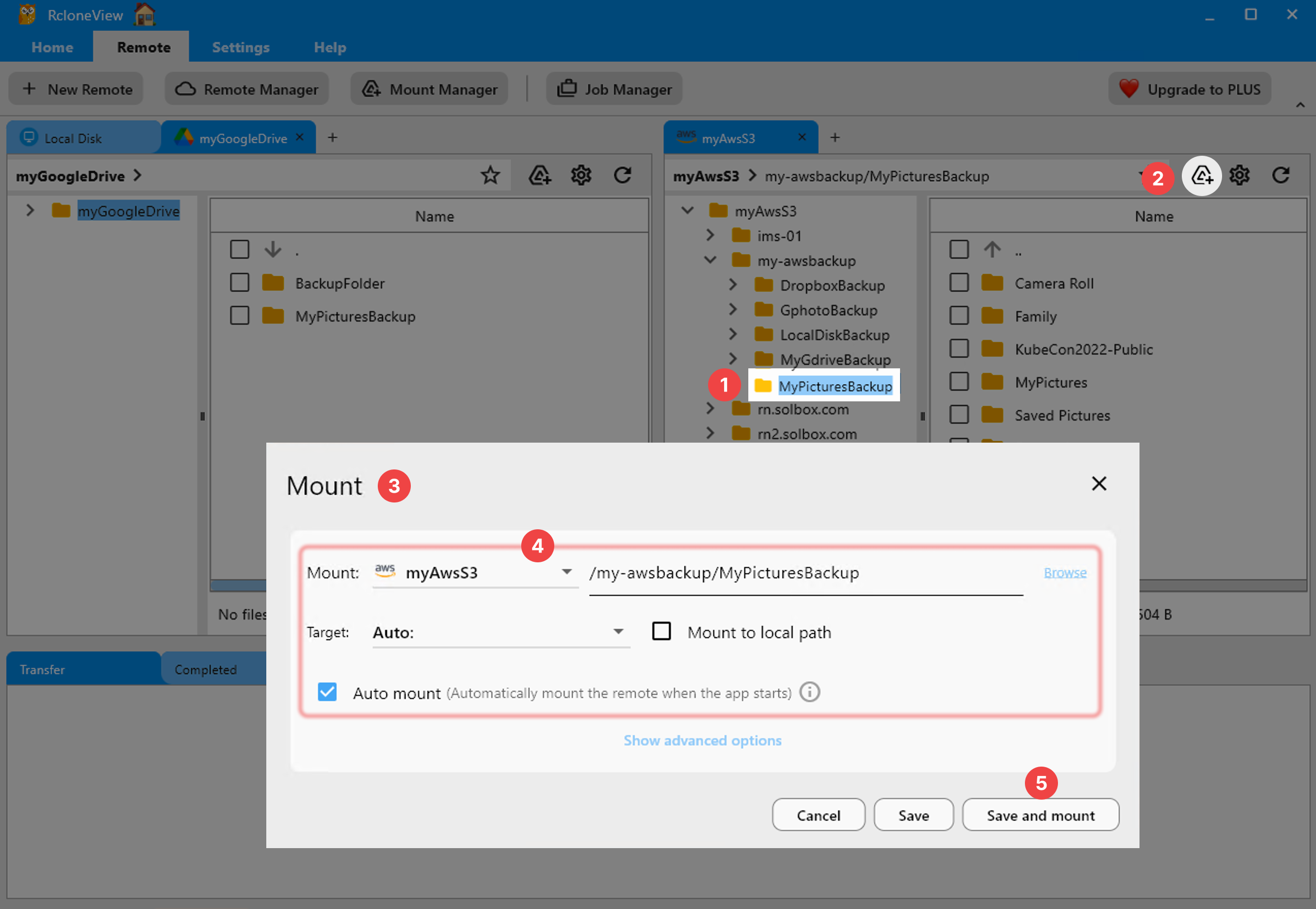
Once mounted, cloud storage directories appear in Nemo just like any other folder. You can open files directly from mounted cloud storage in your Linux Mint applications — LibreOffice, GIMP, VLC, or any other app.
Mount your Google Drive to ~/GoogleDrive and it appears in Nemo's sidebar. Enable VFS caching for smooth performance — recently accessed files are cached locally, so repeated access is instant. Configure the cache size based on your available disk space.
Scheduling Backups with System Integration
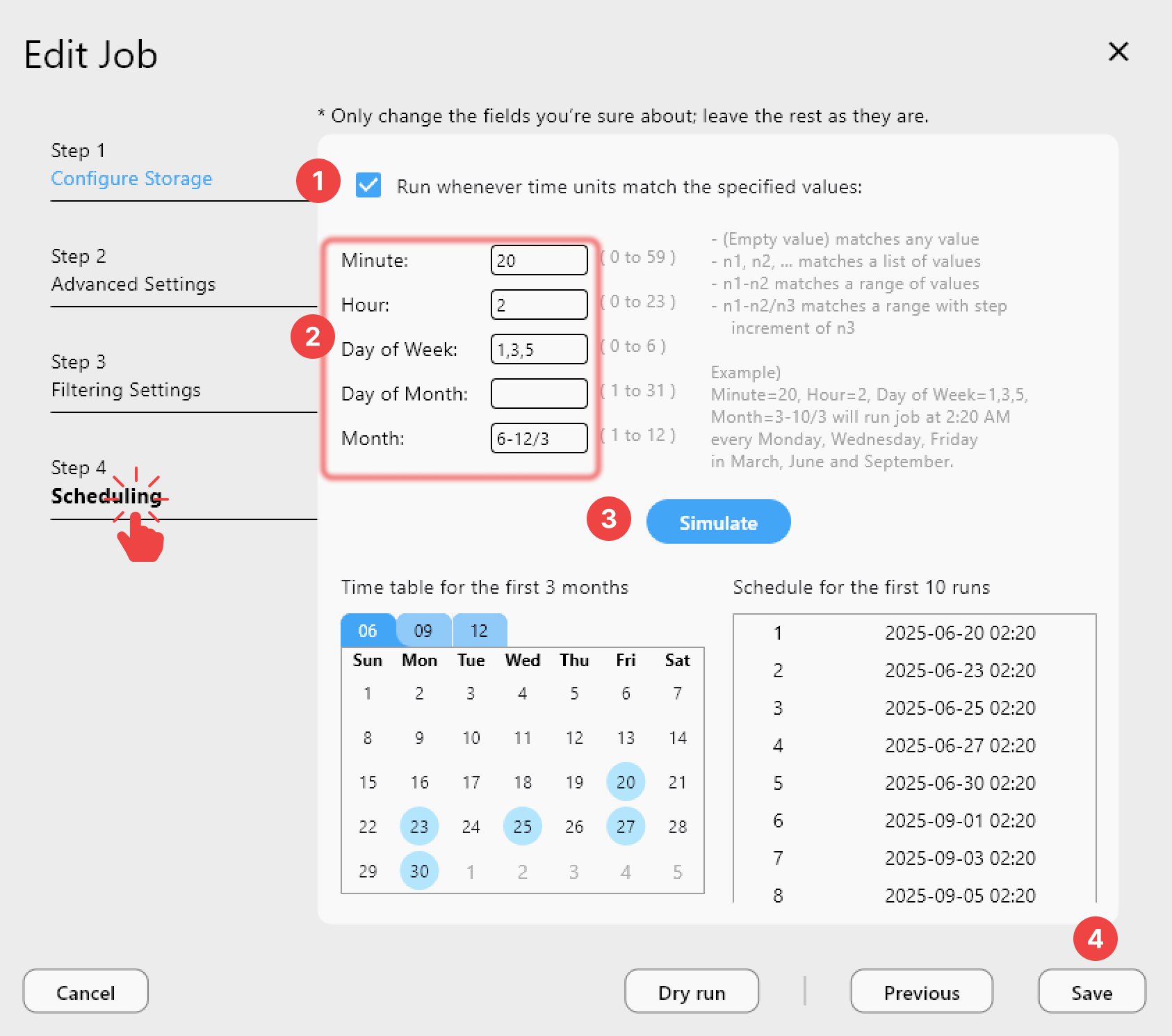
RcloneView's built-in scheduler handles recurring backup jobs. Configure a nightly sync from your home directory (or specific folders) to Google Drive, Backblaze B2, or any other cloud provider. RcloneView runs the scheduled jobs automatically.
For Linux Mint users who prefer system-level scheduling, you can also trigger rclone commands via cron or systemd timers using RcloneView's external rclone connection mode.
Autostart on Login
To have RcloneView start automatically when you log in to Linux Mint:
- Open Startup Applications from the system menu.
- Click Add and enter the path to the RcloneView AppImage or the installed binary.
- RcloneView will launch with your desktop session, ready for scheduled jobs and mounted drives.
Getting Started
- Download RcloneView from rcloneview.com — AppImage or .deb.
- Install FUSE if you plan to mount cloud storage.
- Add your cloud accounts in the Remote Manager.
- Browse, sync, and back up your files from Linux Mint's desktop.
Linux Mint provides a polished desktop experience, and RcloneView adds the multi-cloud file management that the system lacks natively. Together, they give you complete control over local and cloud storage.
Related Guides:
Supported Cloud Providers