Install RcloneView on Arch Linux — Cloud Sync and Backup Guide
Arch Linux users demand control and flexibility. RcloneView runs natively on Arch, available via AUR, giving you powerful cloud sync and backup without leaving your lightweight distribution.
Arch Linux prioritizes simplicity and user control. You build exactly what you need, nothing more. RcloneView fits that philosophy perfectly: a lightweight, cross-platform cloud manager built on the battle-tested rclone engine. Whether you're managing backups on a server, syncing creative files across machines, or automating cloud transfers, RcloneView integrates seamlessly with Arch's minimalist ecosystem.
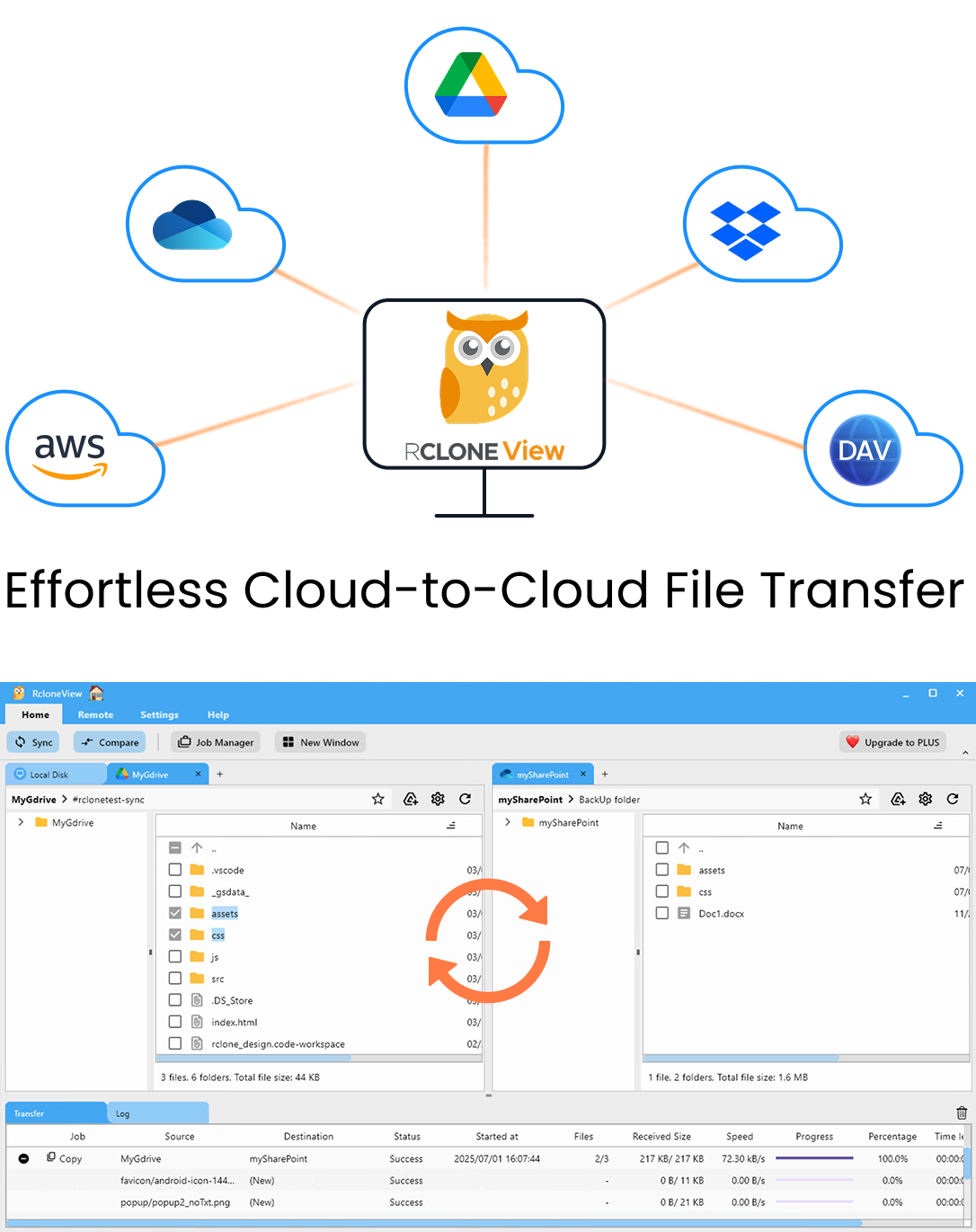
Manage & Sync All Clouds in One Place
RcloneView is a cross-platform GUI for rclone. Compare folders, transfer or sync files, and automate multi-cloud workflows with a clean, visual interface.
- One-click jobs: Copy · Sync · Compare
- Schedulers & history for reliable automation
- Works with Google Drive, OneDrive, Dropbox, S3, WebDAV, SFTP and more
Free core features. Plus automations available.
Installing RcloneView on Arch Linux
Arch offers multiple installation paths. The easiest route uses AUR (Arch User Repository), where community maintainers package RcloneView alongside its rclone dependency. Install yay or paru if you haven't already, then run: yay -S rcloneview.
If you prefer direct installation, download RcloneView's Linux binary from rcloneview.com, extract the archive, and place the binary in your preferred location (typically ~/.local/bin/ or /usr/local/bin). Add the directory to your $PATH if needed. RcloneView's Qt5 dependencies install automatically via pacman.
Configuring Cloud Remotes on Arch
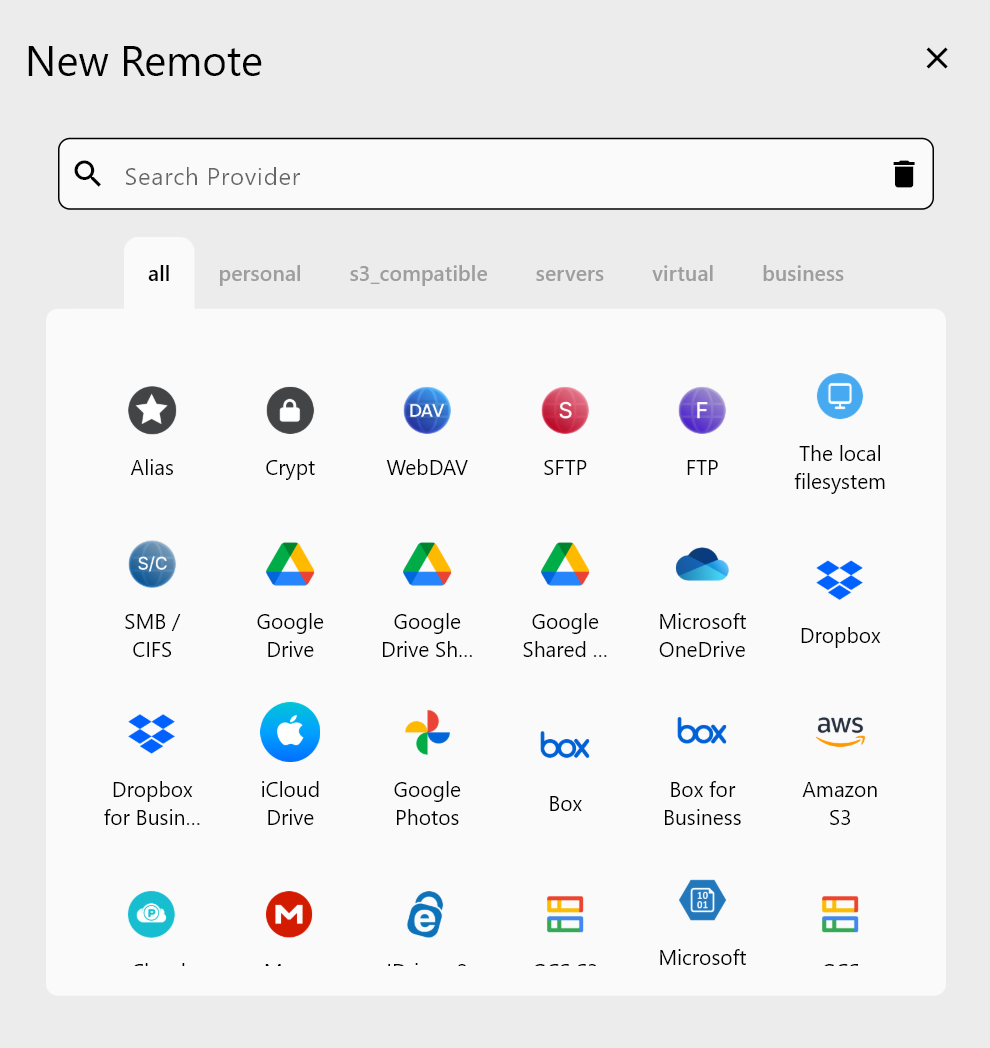
Once installed, launch RcloneView. The first step: connect your cloud providers. RcloneView's remote configuration wizard guides you through OAuth authentication for Google Drive, Dropbox, Microsoft 365, and 77 additional providers. For S3-compatible services (Wasabi, DigitalOcean Spaces, MinIO), enter access keys directly.
Store your configuration in RcloneView's default location (~/.config/rclone/). Arch's file hierarchy remains clean since RcloneView doesn't scatter files across your home directory.
Setting Up Automated Cloud Backups
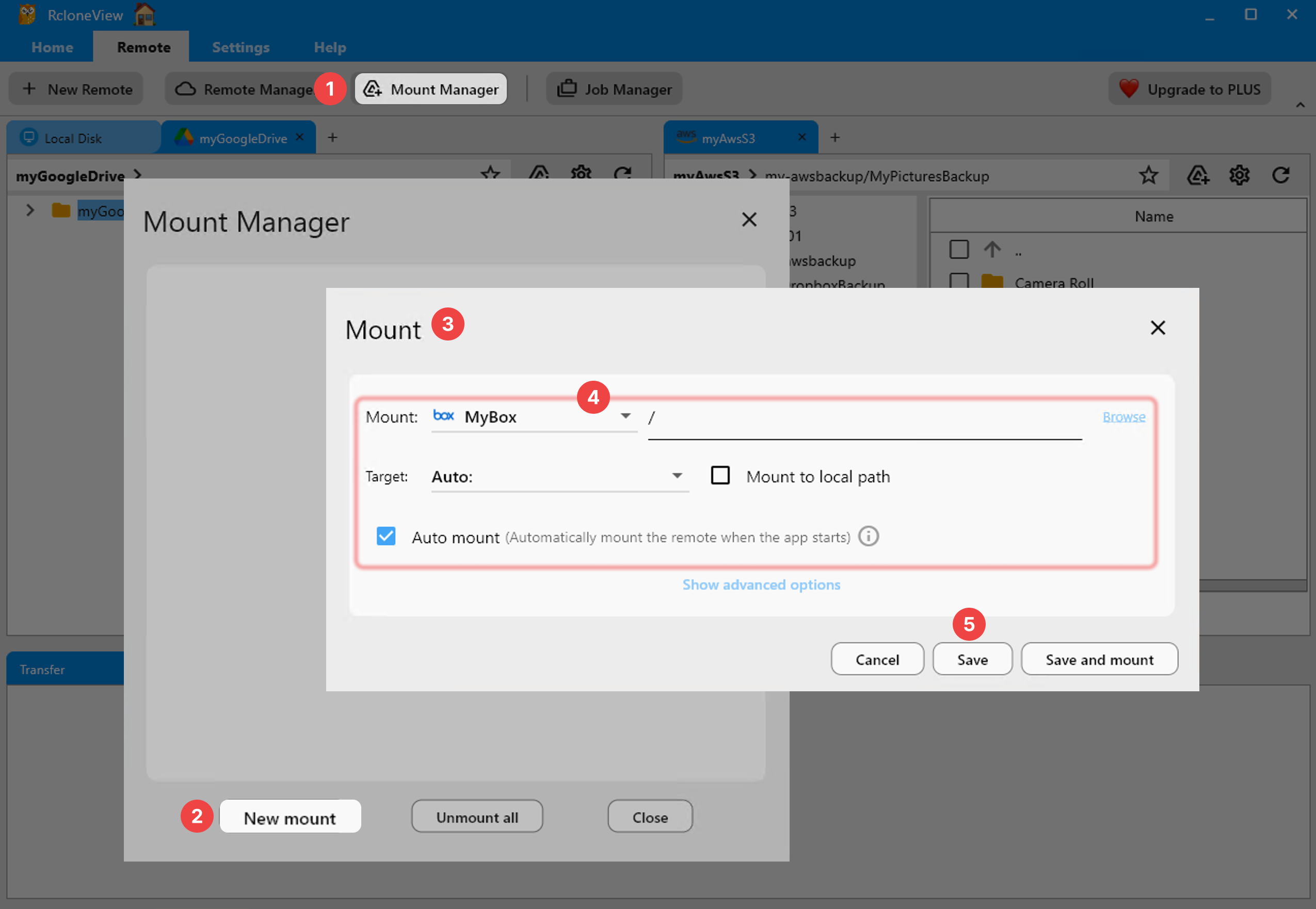
Arch users appreciate automation. Create RcloneView jobs backing up critical directories to cloud storage automatically. Schedule a job syncing ~/Documents/ to Google Drive nightly. Set another job archiving ~/Photos/ to Wasabi weekly. Use RcloneView's job scheduling to run transfers at low-traffic times (3 AM works well for most users).
For server deployments, RcloneView's background mode handles transfers without consuming terminal resources. Run it as a systemd service for persistent cloud backup: create /etc/systemd/system/rcloneview.service, define the executable path, and enable it to start on boot.
Getting Started
- Install via AUR: Run
yay -S rcloneviewto install RcloneView and dependencies. - Launch RcloneView and authenticate your cloud providers through the remote configuration interface.
- Create your first job syncing a local folder to cloud storage.
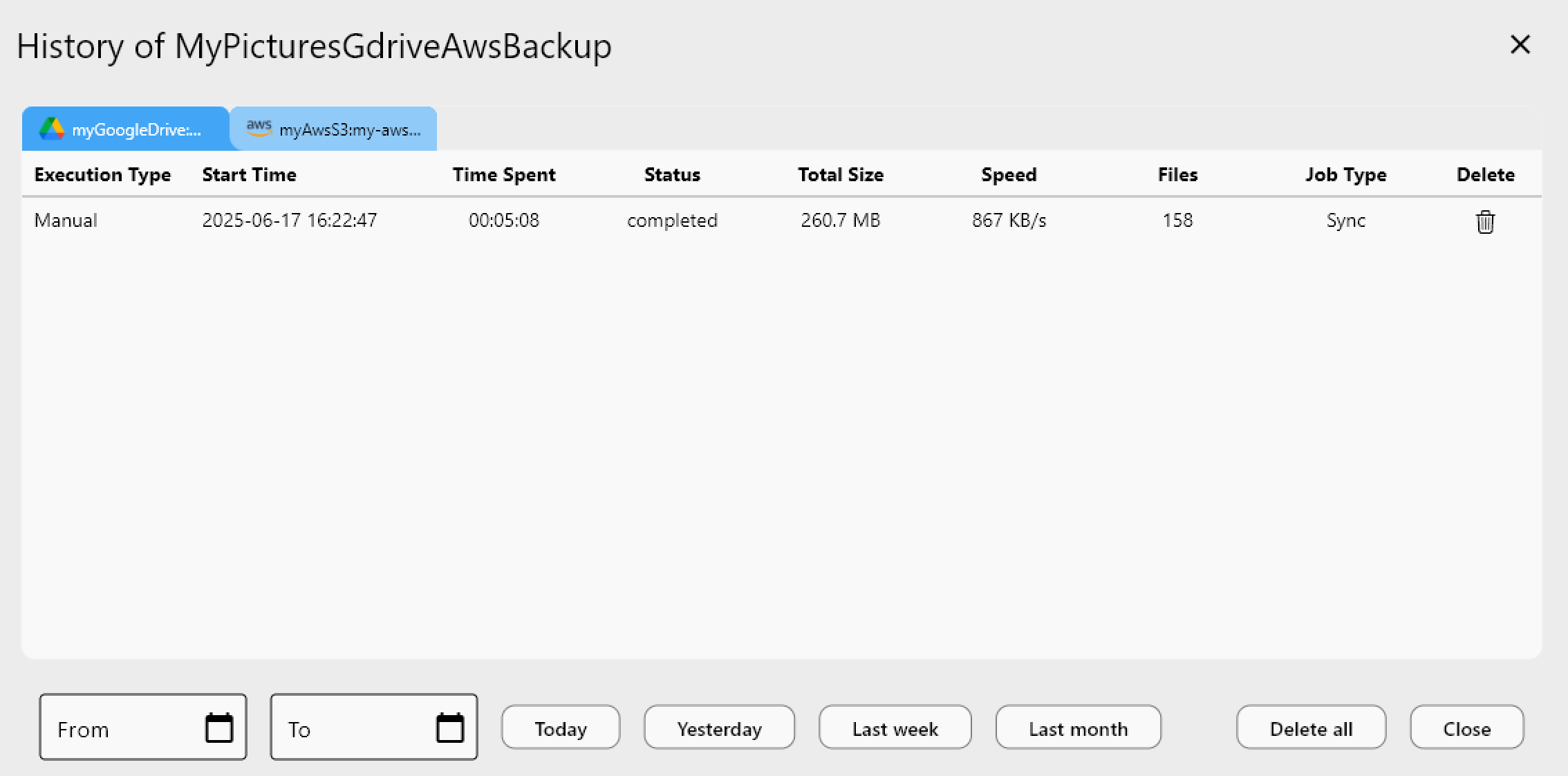
- Schedule automated transfers running daily or weekly to maintain backups.
Arch Linux celebrates user control. RcloneView respects that philosophy, delivering powerful cloud management without bloat or hidden complexity. Your lightweight system just gained enterprise-grade backup capabilities.
Related Guides:
- Install RcloneView on Fedora and RHEL — Cloud Sync Guide
- Install RcloneView on ARM Linux — Raspberry Pi and Edge Devices
- Install RcloneView on WSL — Windows Subsystem for Linux Guide
Supported Cloud Providers