Install and Use RcloneView on Fedora, RHEL, and CentOS Linux
Fedora, Red Hat Enterprise Linux (RHEL), CentOS Stream, and Rocky Linux are RPM-based distributions widely used for workstations and enterprise servers. RcloneView runs on all of them, bringing visual cloud storage management to the Red Hat ecosystem.
While Ubuntu and Debian-based distributions get most of the Linux attention in tutorials, the RPM-based family — Fedora (desktops and workstations), RHEL (enterprise), CentOS Stream (upstream testing), and Rocky Linux/AlmaLinux (RHEL alternatives) — represents a large portion of Linux deployments. RcloneView's Linux build works across this entire family, and setup is straightforward.
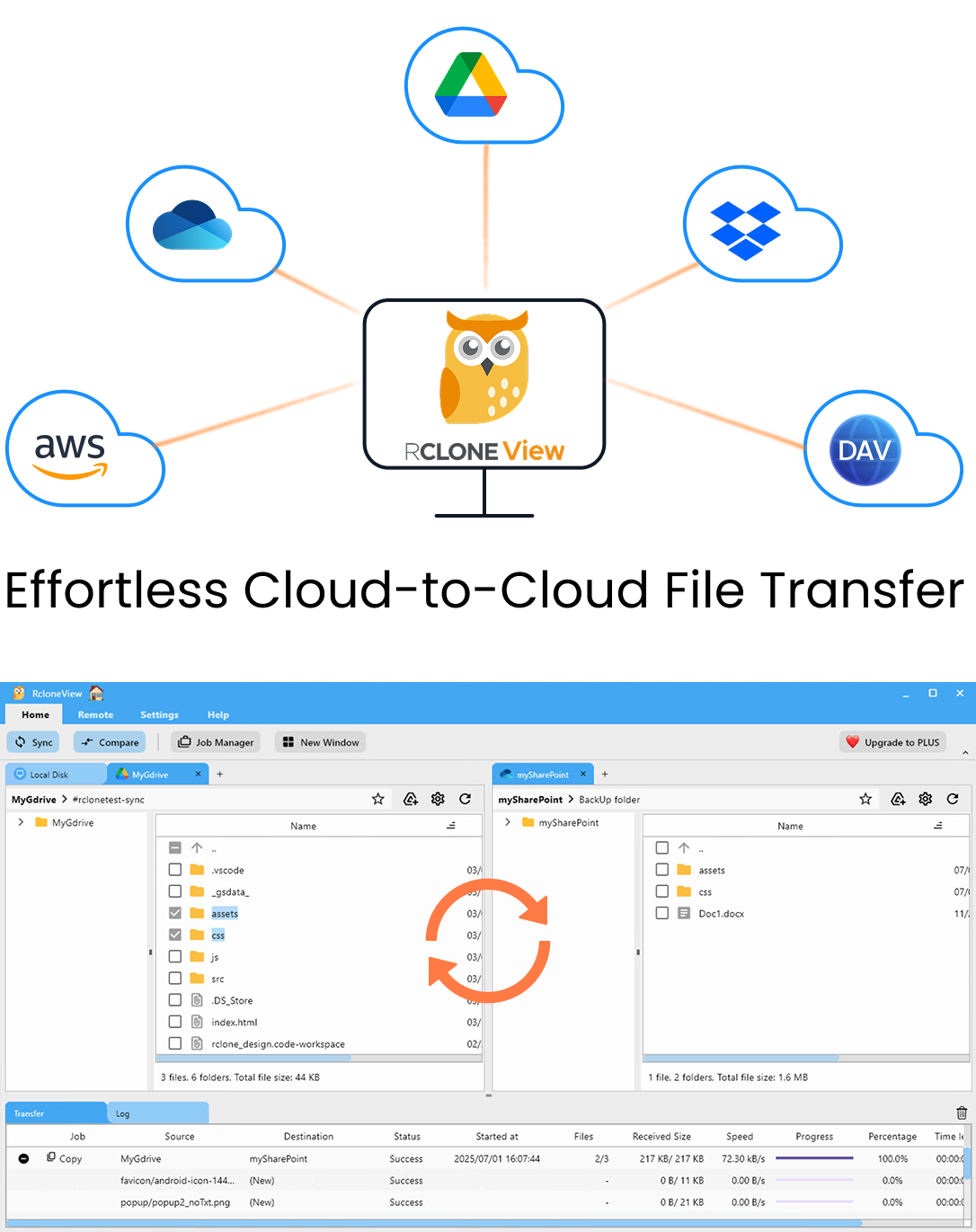
Manage & Sync All Clouds in One Place
RcloneView is a cross-platform GUI for rclone. Compare folders, transfer or sync files, and automate multi-cloud workflows with a clean, visual interface.
- One-click jobs: Copy · Sync · Compare
- Schedulers & history for reliable automation
- Works with Google Drive, OneDrive, Dropbox, S3, WebDAV, SFTP and more
Free core features. Plus automations available.
Supported Distributions
| Distribution | Version | Architecture |
|---|---|---|
| Fedora | 38+ | x86_64, aarch64 |
| RHEL | 8, 9 | x86_64, aarch64 |
| CentOS Stream | 8, 9 | x86_64 |
| Rocky Linux | 8, 9 | x86_64, aarch64 |
| AlmaLinux | 8, 9 | x86_64 |
Step 1 — Install RcloneView
Download the appropriate Linux package from rcloneview.com.
For RPM-based distributions, RcloneView is distributed as an AppImage or a direct binary — a self-contained executable that doesn't require system installation.
Download and run (AppImage):
# Download RcloneView AppImage
wget https://rcloneview.com/src/download.html -O RcloneView.AppImage

# Make it executable
chmod +x RcloneView.AppImage

# Run
./RcloneView.AppImage
Alternatively, for a desktop application entry:
# Move to a standard location
mkdir -p ~/.local/bin
mv RcloneView.AppImage ~/.local/bin/rcloneview

# Create a desktop entry (optional)
cat > ~/.local/share/applications/rcloneview.desktop << EOF
[Desktop Entry]
Name=RcloneView
Exec=/home/$USER/.local/bin/rcloneview
Icon=rcloneview
Type=Application
Categories=Utility;Network;
EOF
Step 2 — Install FUSE (for Mount Features)
The cloud drive mounting feature requires FUSE. On RPM-based distributions:
Fedora:
sudo dnf install fuse fuse3
sudo modprobe fuse
RHEL / CentOS Stream / Rocky Linux:
sudo dnf install fuse fuse3
# Add your user to the fuse group
sudo usermod -aG fuse $USER
On RHEL-based systems, you may also need to enable the FUSE module:
echo "fuse" | sudo tee -a /etc/modules-load.d/fuse.conf
Verify FUSE is available:
fusermount3 --version
Step 3 — Install Rclone (if not bundled)
RcloneView requires rclone to be installed separately. On RPM-based distributions:
Using the official rclone installer (recommended):
sudo -v ; curl https://rclone.org/install.sh | sudo bash
Using dnf on Fedora:
sudo dnf install rclone
Verify installation:
rclone version
Step 4 — Launch RcloneView and Add Remotes
Launch RcloneView and add your cloud accounts:
For remotes requiring OAuth (Google Drive, OneDrive, Dropbox), RcloneView opens the system browser. On RHEL server installations without a desktop, use the --auth-no-browser rclone flag or authorize via a machine that has a browser and copy the token.
Headless Server Deployment (RHEL/CentOS)
For RHEL servers without a desktop environment, run RcloneView in its backend mode and access it via a remote browser:
- Start RcloneView's API backend:
./rcloneview --no-browser --api-port 5572 & - Access from a remote machine via SSH port forwarding:
ssh -L 5572:localhost:5572 user@your-rhel-server - Open
http://localhost:5572in your local browser.
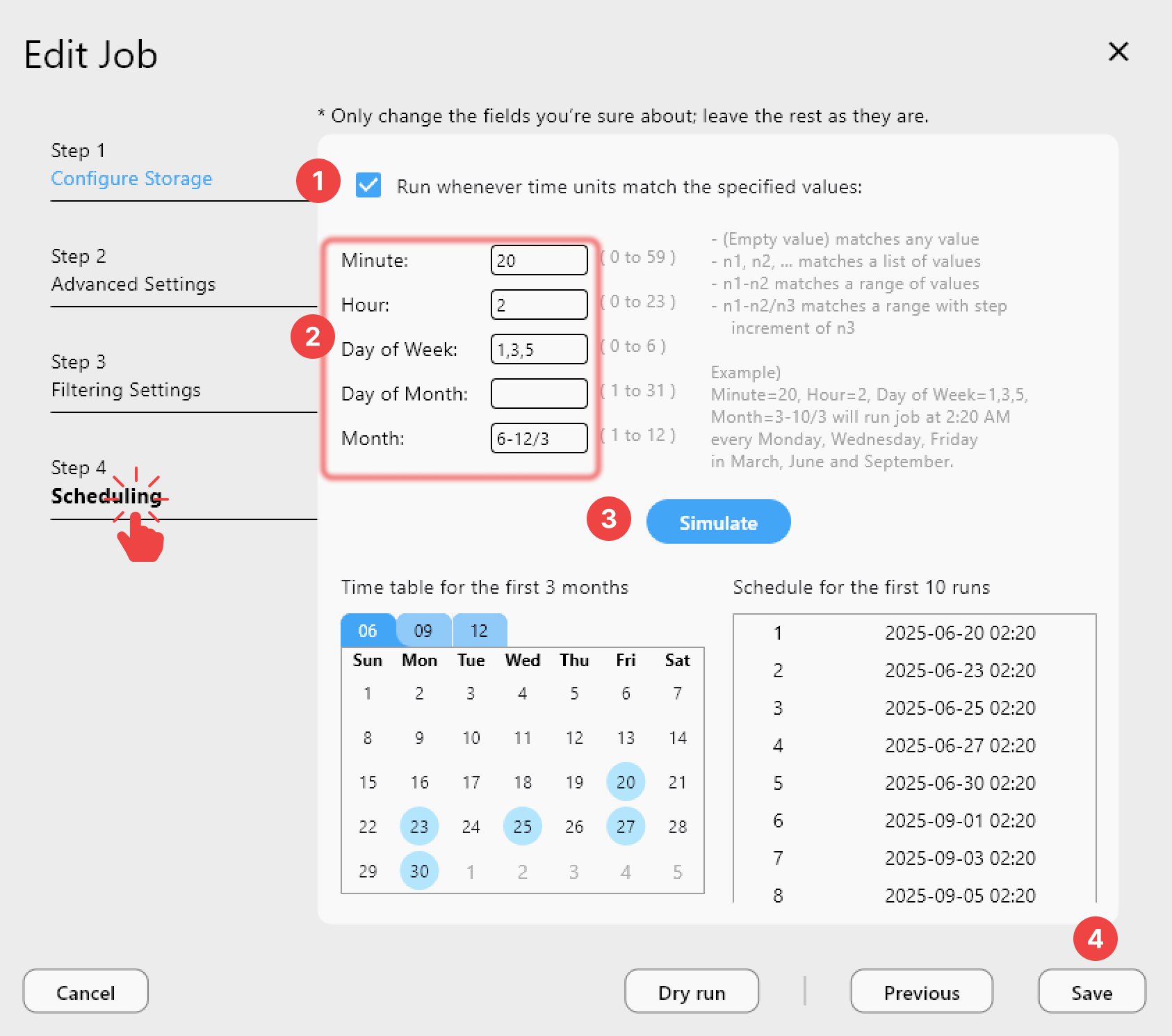
Scheduling Jobs on Linux
For automated backups on RHEL or Fedora, use systemd timers or cron alongside RcloneView's job scheduling:
Using cron:
# Edit crontab
crontab -e

# Add nightly backup at 2 AM
0 2 * * * /usr/bin/rclone sync /data/important s3-remote:backup-bucket --log-file /var/log/rclone-backup.log
Using a systemd timer (preferred on RHEL 8/9):
Create /etc/systemd/system/rclone-backup.service:
[Unit]
Description=Rclone Cloud Backup

[Service]
Type=oneshot
User=backup-user
ExecStart=/usr/bin/rclone sync /data/important s3-remote:backup-bucket
Create /etc/systemd/system/rclone-backup.timer:
[Unit]
Description=Daily rclone backup

[Timer]
OnCalendar=daily
Persistent=true

[Install]
WantedBy=timers.target
Enable and start:
sudo systemctl enable --now rclone-backup.timer
SELinux Considerations
RHEL-based distributions run SELinux in enforcing mode by default. If RcloneView has trouble accessing certain paths or mounting drives:
# Check for SELinux denials
sudo ausearch -m avc -ts recent | grep rclone

# Allow rclone to read user home directories (if needed)
sudo setsebool -P user_home_t:process allow_execmem 1
Most operations work without SELinux modifications. Mount operations may require the appropriate SELinux context on the mount point.
Getting Started
- Download RcloneView from rcloneview.com.
- Install FUSE for mount support:
sudo dnf install fuse fuse3. - Install rclone via the official installer.
- Run RcloneView, add your cloud remotes, and start managing cloud storage.
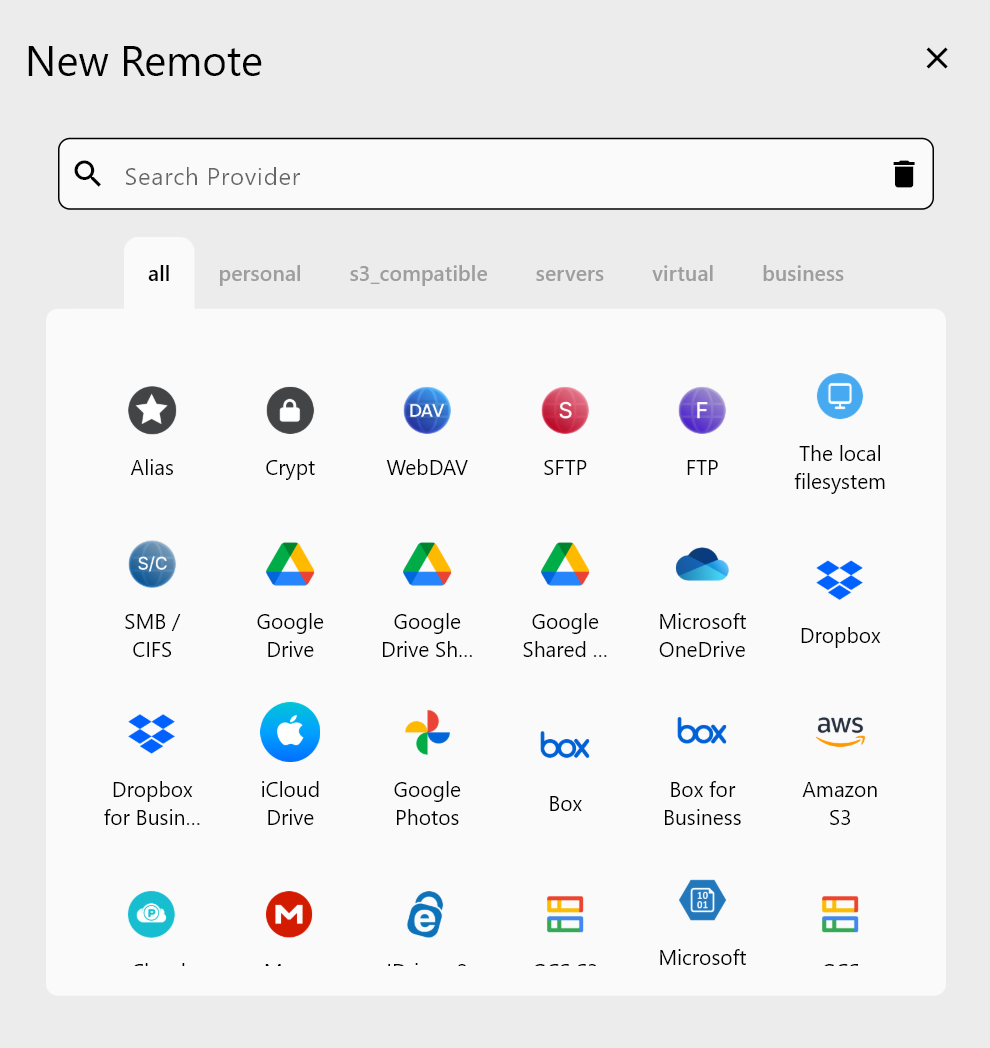
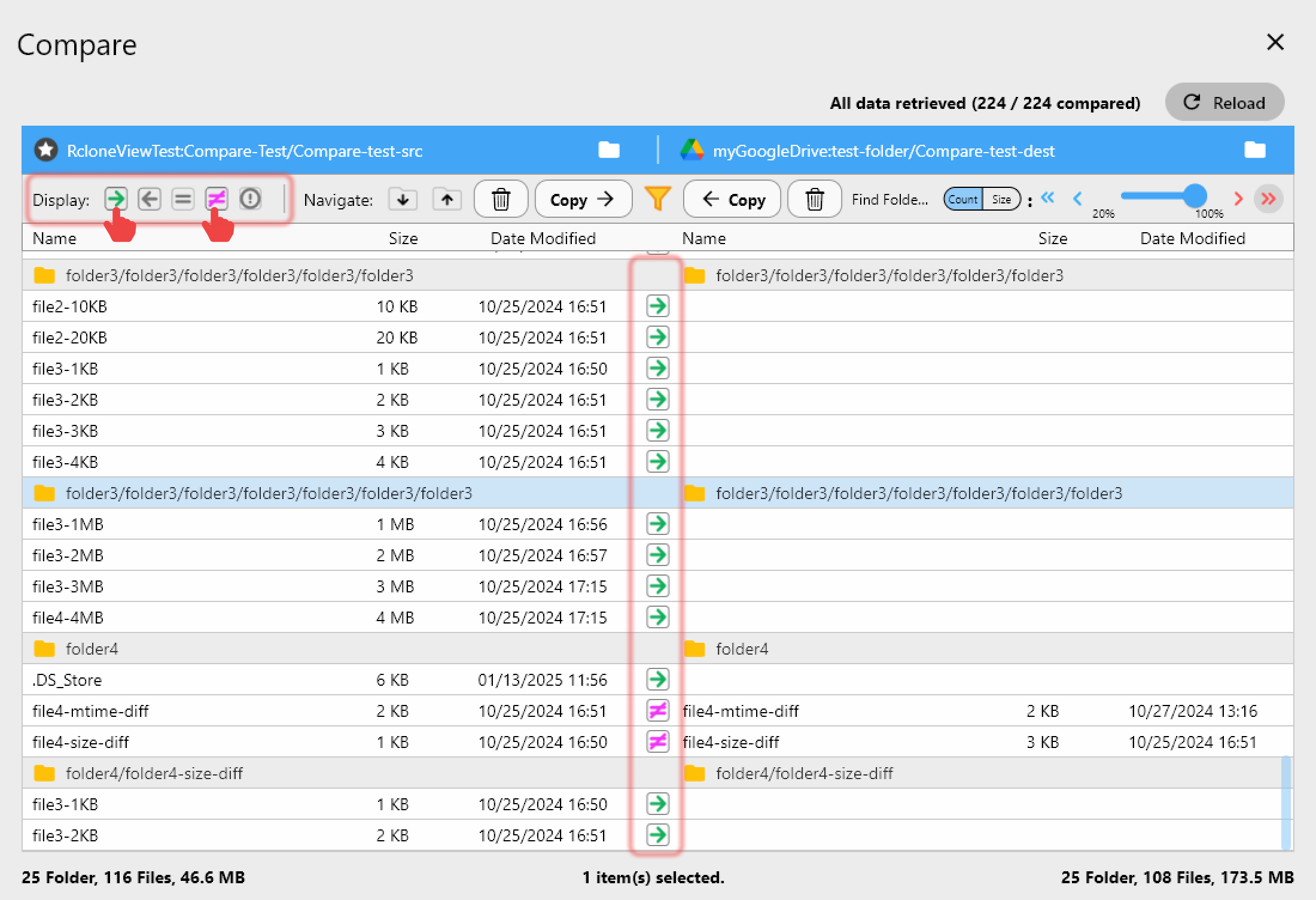
Fedora workstations and RHEL servers are first-class citizens in RcloneView's Linux support. All 70+ cloud providers, mounting, encryption, scheduling, and folder comparison work the same as on any other platform.
Related Guides:
Supported Cloud Providers