10 Two-Pane Explorer Tips That Will Speed Up Your Cloud File Management in RcloneView
RcloneView's two-pane explorer puts any two storage locations side by side. But beyond basic drag-and-drop, it's packed with features that make cloud file management genuinely fast. Here are 10 tips most users miss.
The two-pane explorer is the heart of RcloneView. It displays two storage locations simultaneously — any combination of cloud providers, NAS devices, and local drives — and lets you work across both. Most users discover drag-and-drop immediately. These tips go deeper.
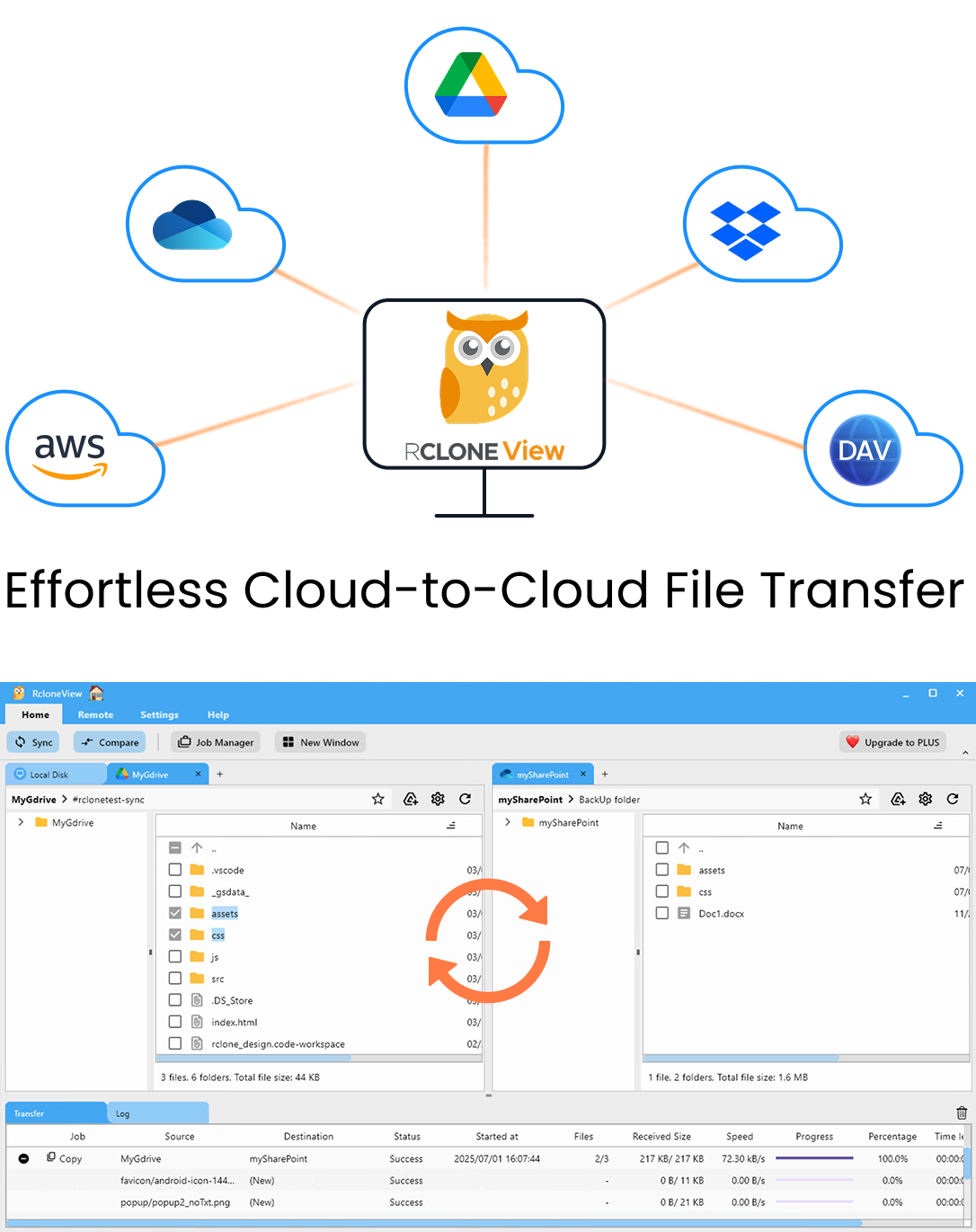
Manage & Sync All Clouds in One Place
RcloneView is a cross-platform GUI for rclone. Compare folders, transfer or sync files, and automate multi-cloud workflows with a clean, visual interface.
- One-click jobs: Copy · Sync · Compare
- Schedulers & history for reliable automation
- Works with Google Drive, OneDrive, Dropbox, S3, WebDAV, SFTP and more
Free core features. Plus automations available.
The Basics: Two Panes, Any Two Locations
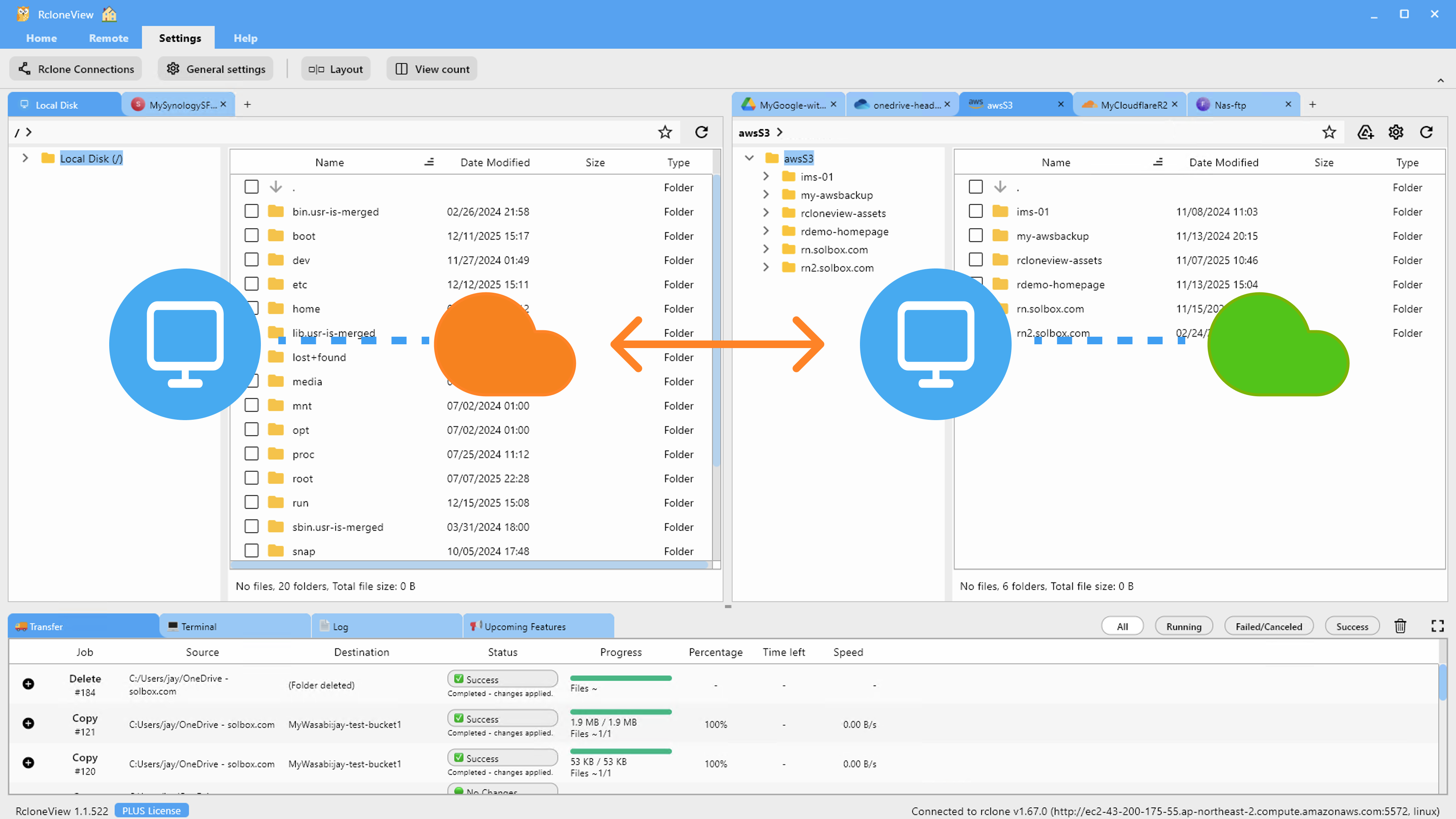
Each pane can point to any storage location: Google Drive on the left, S3 on the right. OneDrive on one side, your local NAS on the other. The combination is up to you.
Tip 1: Drag and Drop Entire Folder Trees
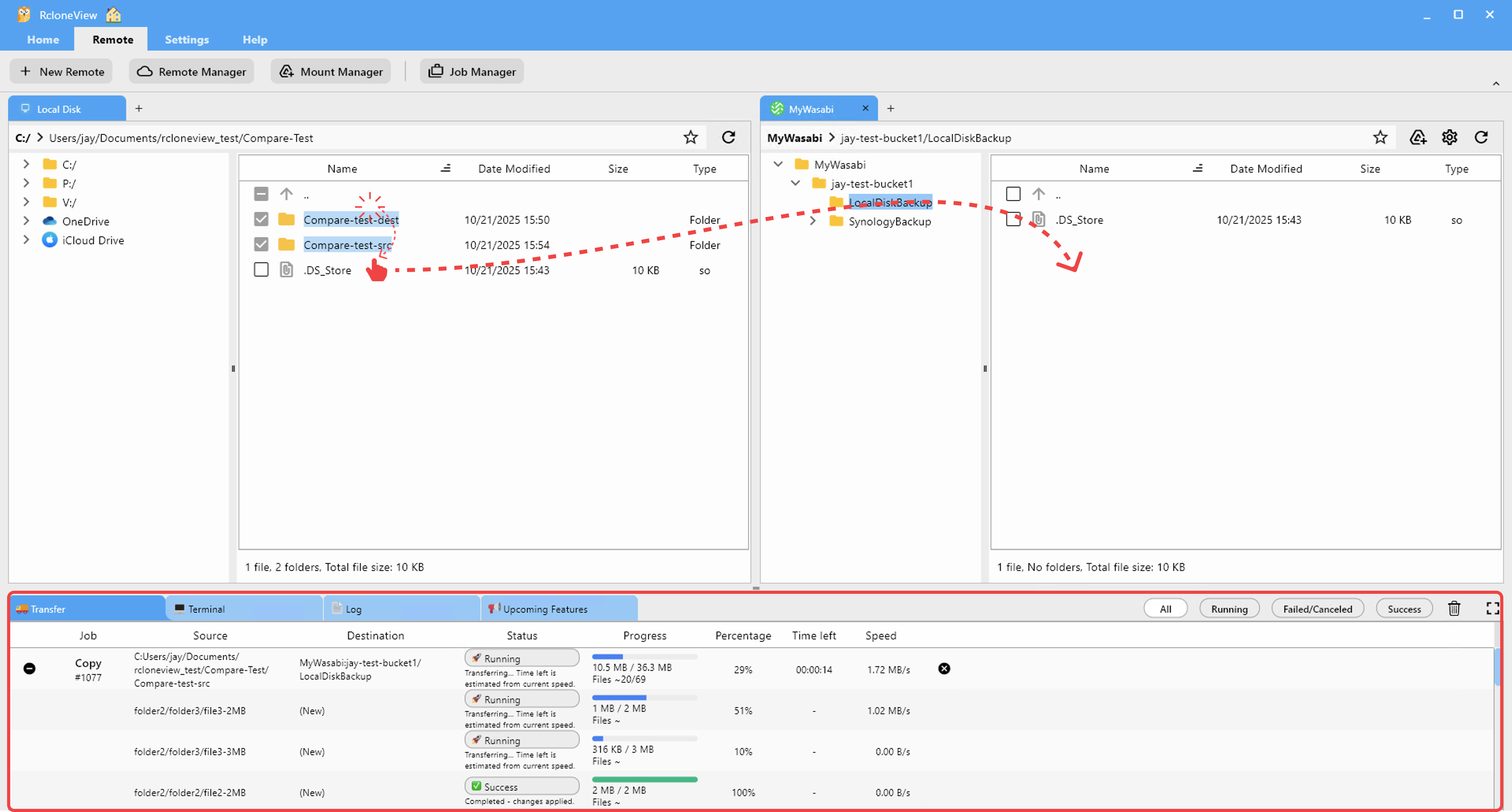
Don't just drag individual files. Select a folder and drag it to the other pane — the entire directory tree transfers with its structure intact. This works across any two providers, even cloud-to-cloud.
Tip 2: Use Right-Click for More Transfer Options
Dragging defaults to Copy. Right-click on selected files for additional options including Move, Sync, and more. Different operations suit different workflows — Copy for backups, Sync for mirrors, Move for migrations.
Tip 3: Compare Before You Transfer
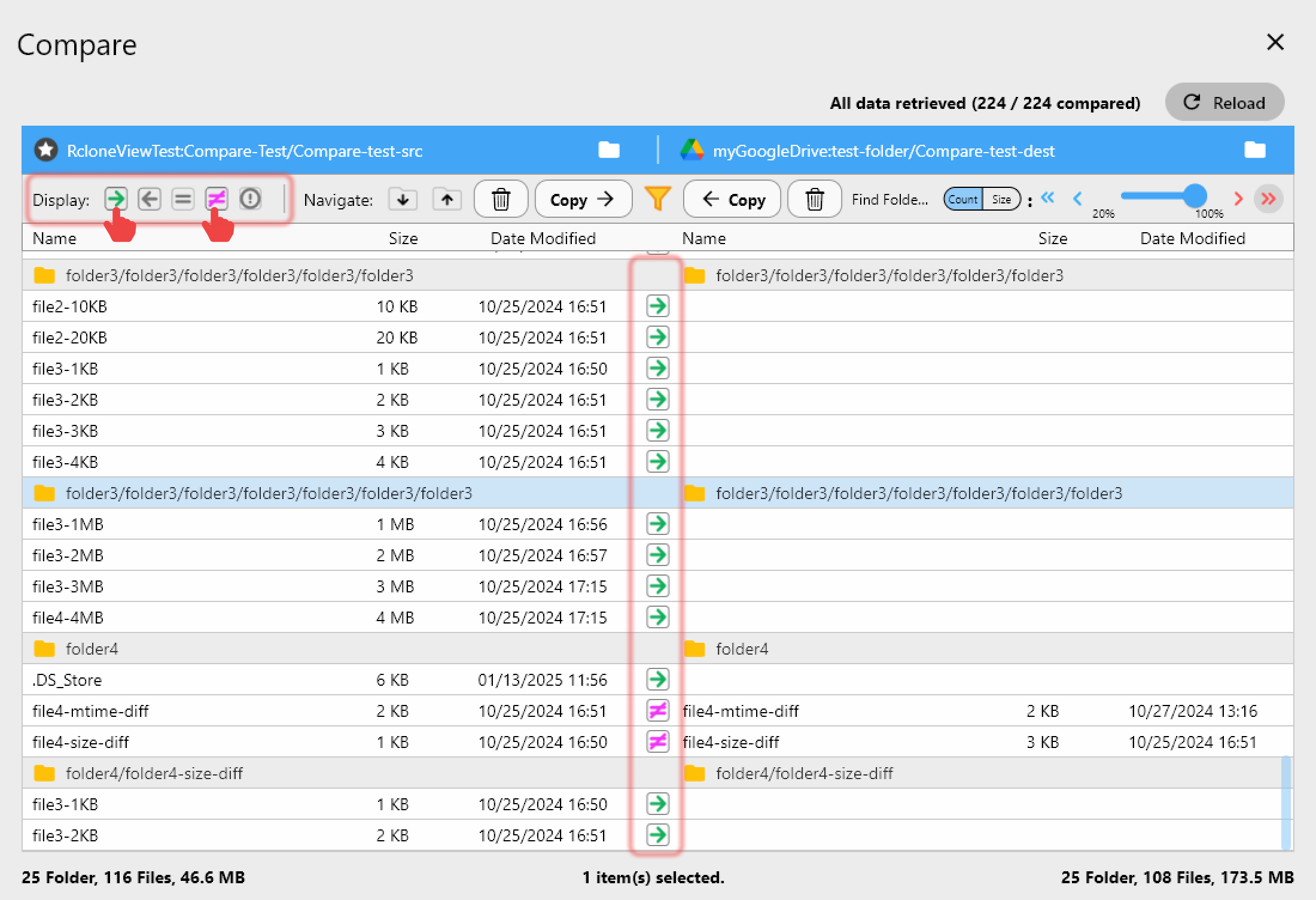
Before transferring, use Folder Comparison to see what's different between the two panes. This prevents unnecessary transfers and confirms you're syncing in the right direction.
Tip 4: Save Frequent Transfers as Jobs
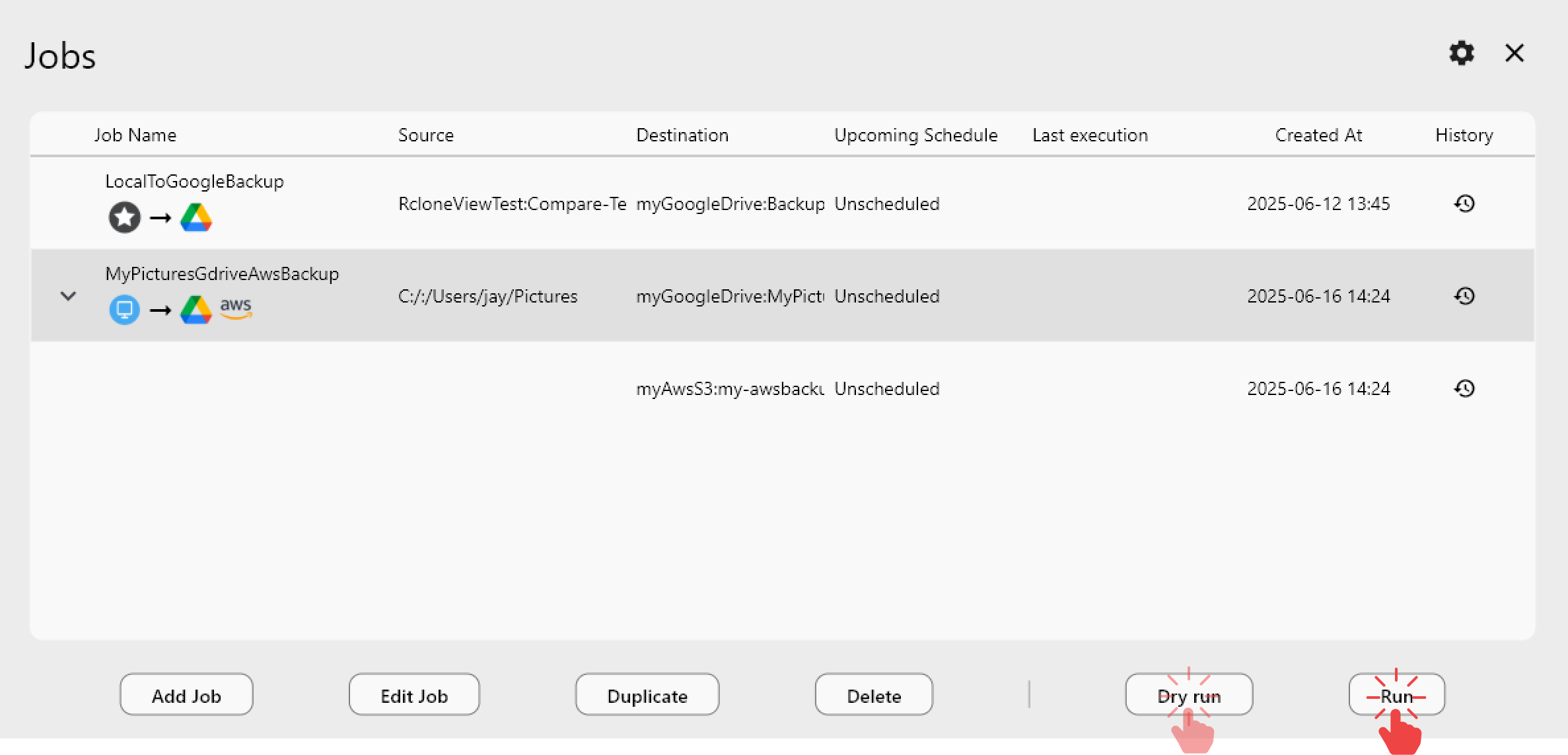
If you regularly transfer between the same two locations, save it as a named job. Next time, run the job with one click instead of navigating to both folders manually.
Tip 5: Use the Address Bar for Quick Navigation
Instead of clicking through nested folders, type or paste a path directly in the address bar. Jump straight to /Projects/2026/Q1/ without clicking four times.
Tip 6: Monitor Transfers in Real Time
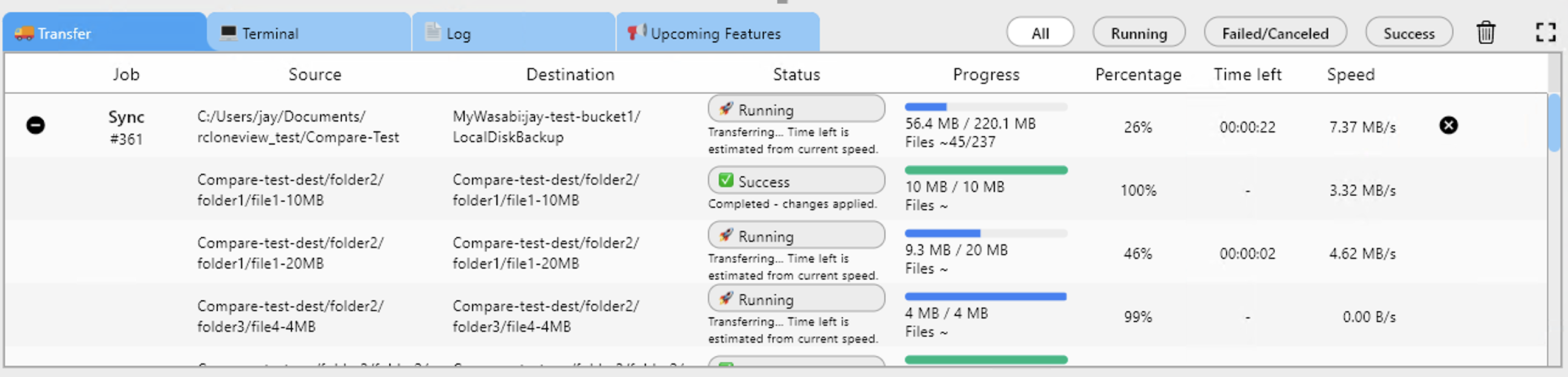
When you start a transfer, watch progress in real time — speed, files transferred, estimated time remaining. This helps you gauge whether large transfers will complete on schedule.
Tip 7: Select Multiple Files with Keyboard Shortcuts
Hold Ctrl (or Cmd) to select individual files across the list. Hold Shift to select a range. Select all with Ctrl+A. Then drag the selection to the other pane for batch transfers.
Tip 8: Switch Providers Without Losing Context
Change the cloud provider in one pane while the other pane stays put. This lets you quickly check the same folder structure across multiple providers — useful for verifying backups or comparing migrations.
Tip 9: Use Folder Comparison for Backup Verification
After any transfer or sync job, open both locations in the two-pane explorer and run Folder Comparison. Green means matching, differences are highlighted. Trust but verify.
Tip 10: Combine with Job Scheduling
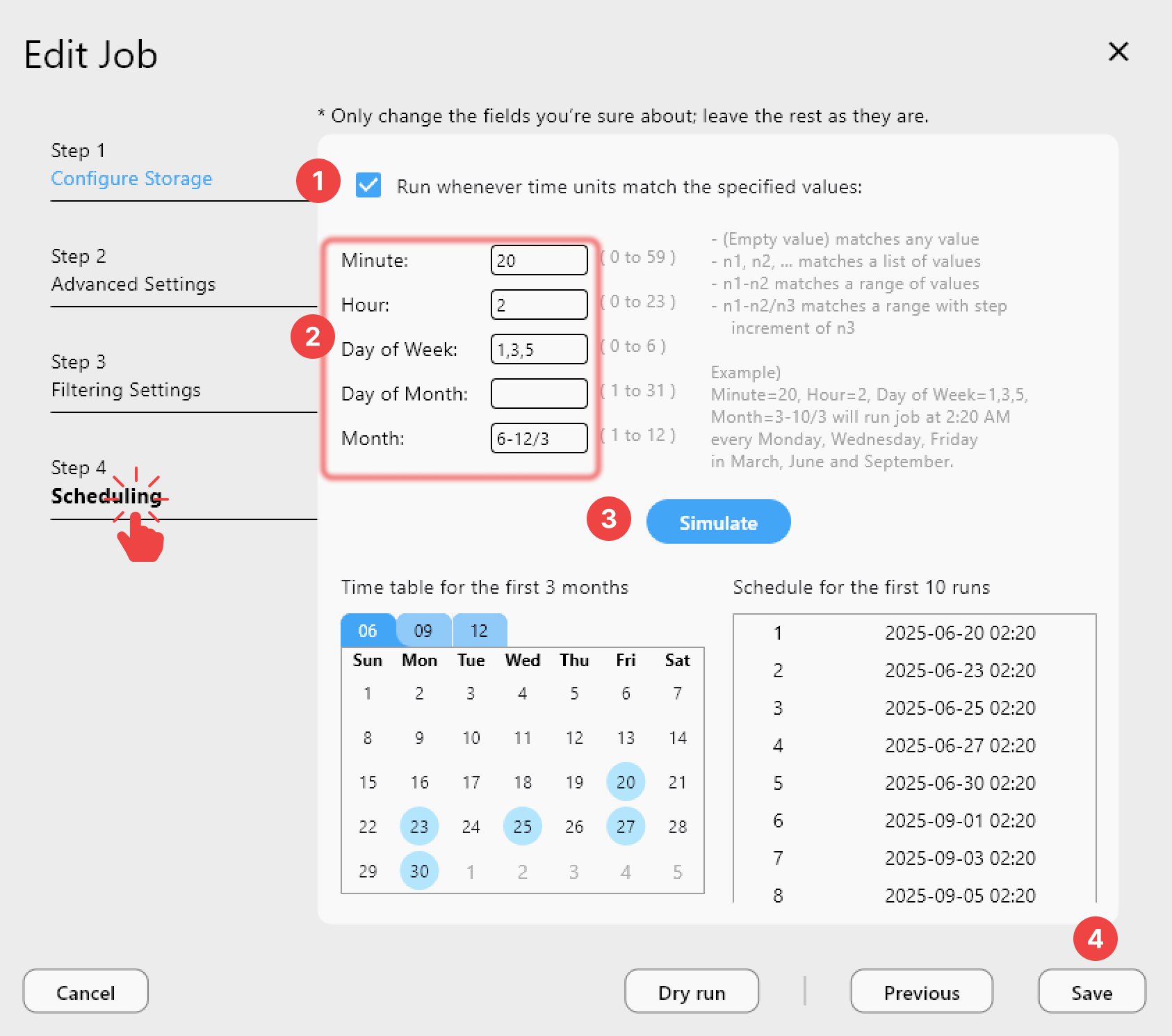
The explorer is great for ad-hoc transfers. For recurring workflows, create the transfer in the explorer, save it as a job, then schedule it. The explorer helps you set up; the scheduler keeps it running.
The Power of Two Panes
The two-pane design isn't just a layout choice — it's a workflow philosophy. Every cloud operation becomes a visual, spatial task: source on one side, destination on the other. It transforms abstract cloud storage into something you can see and manipulate directly.
Getting Started
- Download RcloneView from rcloneview.com.
- Add your cloud accounts in the remote manager.
- Open two panes with any combination of providers.
- Start exploring — drag, compare, sync, and manage.
Once you work in two panes, single-pane file managers feel like driving with one eye closed.
Related Guides:
Supported Cloud Providers