Cloud Storage for Accounting and Finance Firms — Secure Client File Management with RcloneView
Tax season means terabytes of sensitive financial documents flowing between your firm, clients, and regulators. These files need to be accessible, backed up, encrypted, and organized — across whatever cloud platforms your clients use.
Accounting and finance firms manage some of the most sensitive data in any industry: tax returns, financial statements, payroll records, and audit documentation. This data comes from multiple clients, lives on multiple platforms, and must be retained for years. RcloneView helps firms manage this complexity securely.
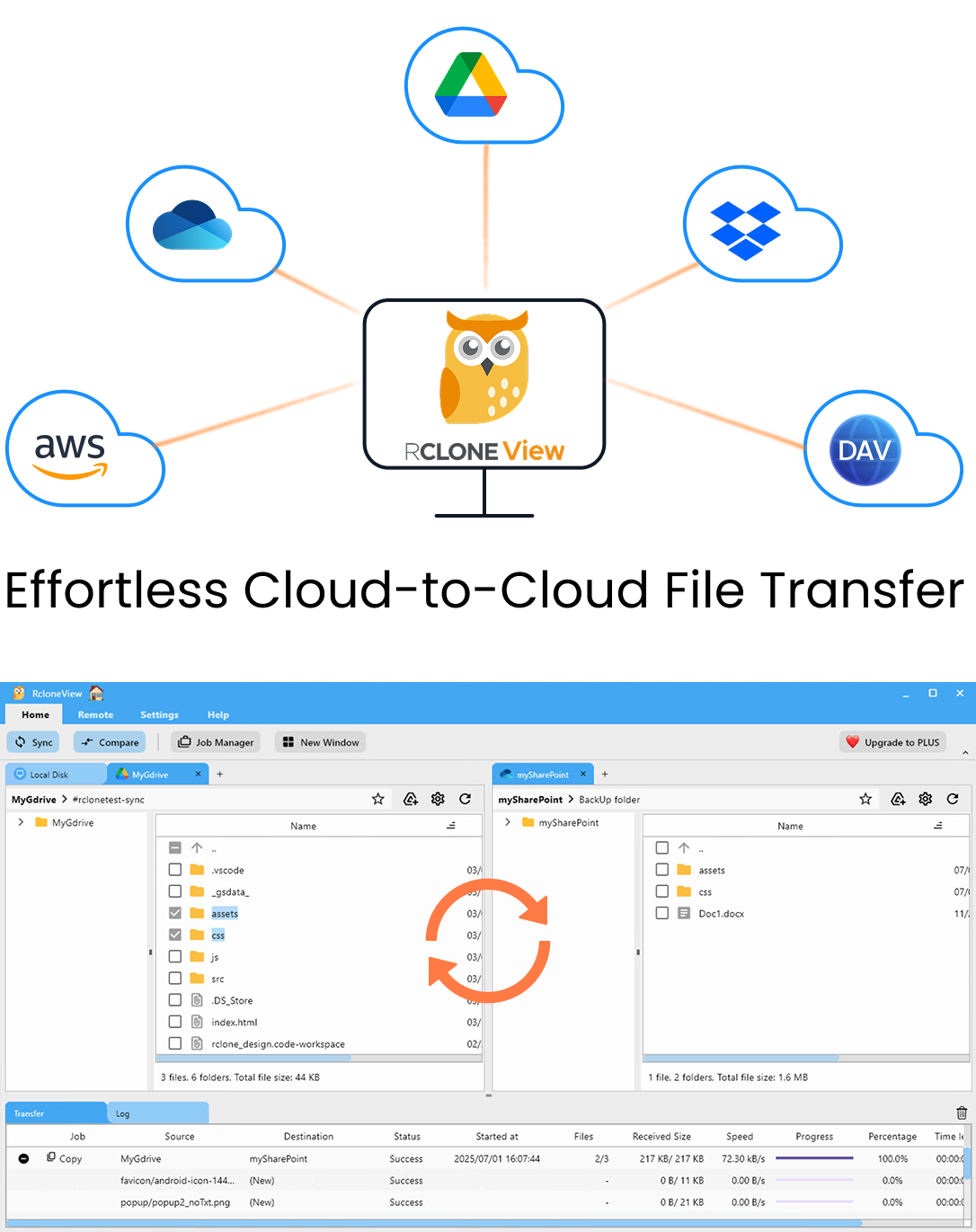
Manage & Sync All Clouds in One Place
RcloneView is a cross-platform GUI for rclone. Compare folders, transfer or sync files, and automate multi-cloud workflows with a clean, visual interface.
- One-click jobs: Copy · Sync · Compare
- Schedulers & history for reliable automation
- Works with Google Drive, OneDrive, Dropbox, S3, WebDAV, SFTP and more
Free core features. Plus automations available.
The Challenge
Data sensitivity
- Client tax returns — SSNs, income data, deductions.
- Financial statements — Revenue, expenses, asset details.
- Payroll data — Employee compensation, tax withholdings.
- Audit documentation — Internal controls, compliance records.
Multi-platform reality
- Your firm: OneDrive for Business (Microsoft 365).
- Client A: Google Drive.
- Client B: Dropbox.
- Archive: AWS S3 or Backblaze B2.
- Local: NAS for active working files.
Retention requirements
Tax documents: 7 years minimum (IRS recommendation). Audit workpapers: 5-7 years. Corporate records: varies by jurisdiction.
Secure Workflows with RcloneView
1) Connect all platforms securely
Add your firm's cloud and each client's preferred platform:
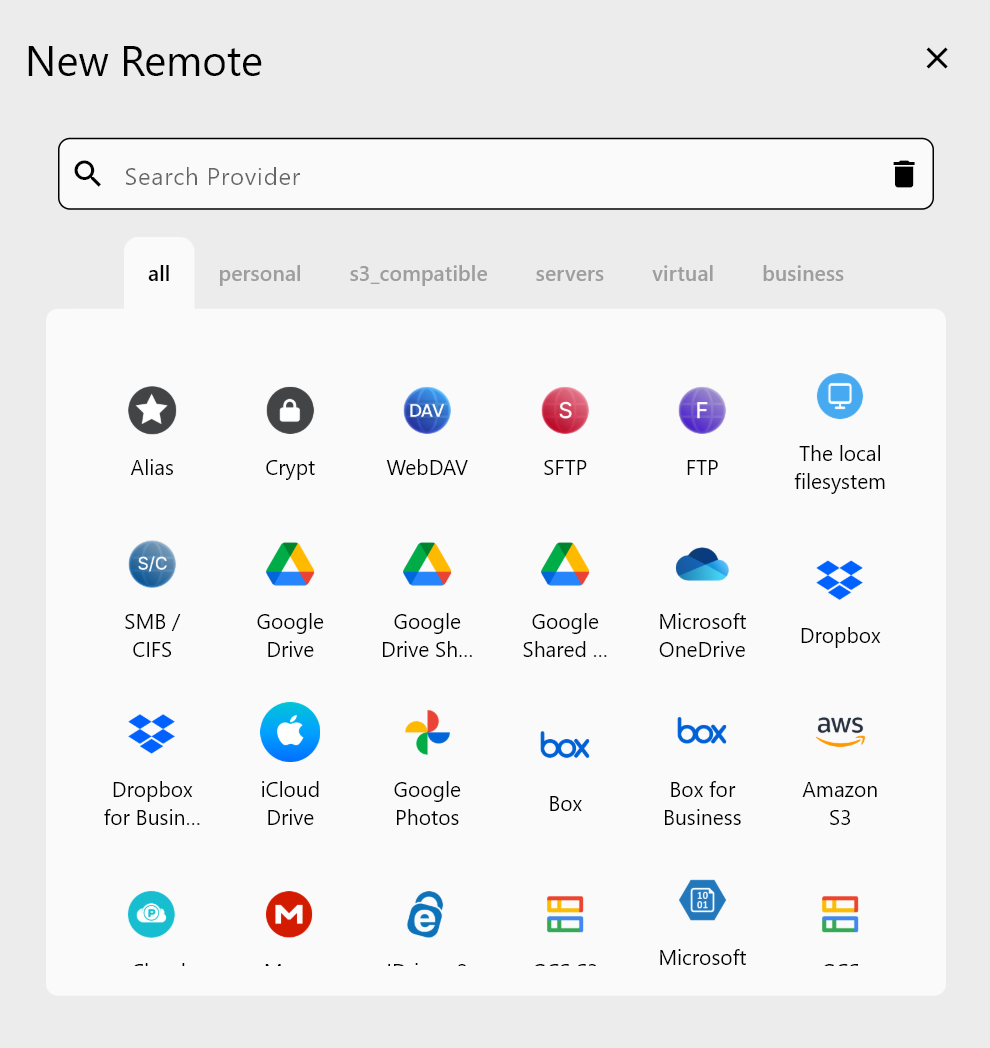
RcloneView's local-first architecture means client credentials stay on your machine — no third-party server involved.
2) Encrypted client file exchange
Use crypt remotes for client file transfers. Even if the cloud account is compromised, financial data remains encrypted.
3) Organized backup structure
Backup Storage (B2 or S3):
  /clients/
    /client-a/2025/
    /client-a/2024/
    /client-b/2025/
  /firm/
    /workpapers/
    /templates/
Schedule nightly backups:
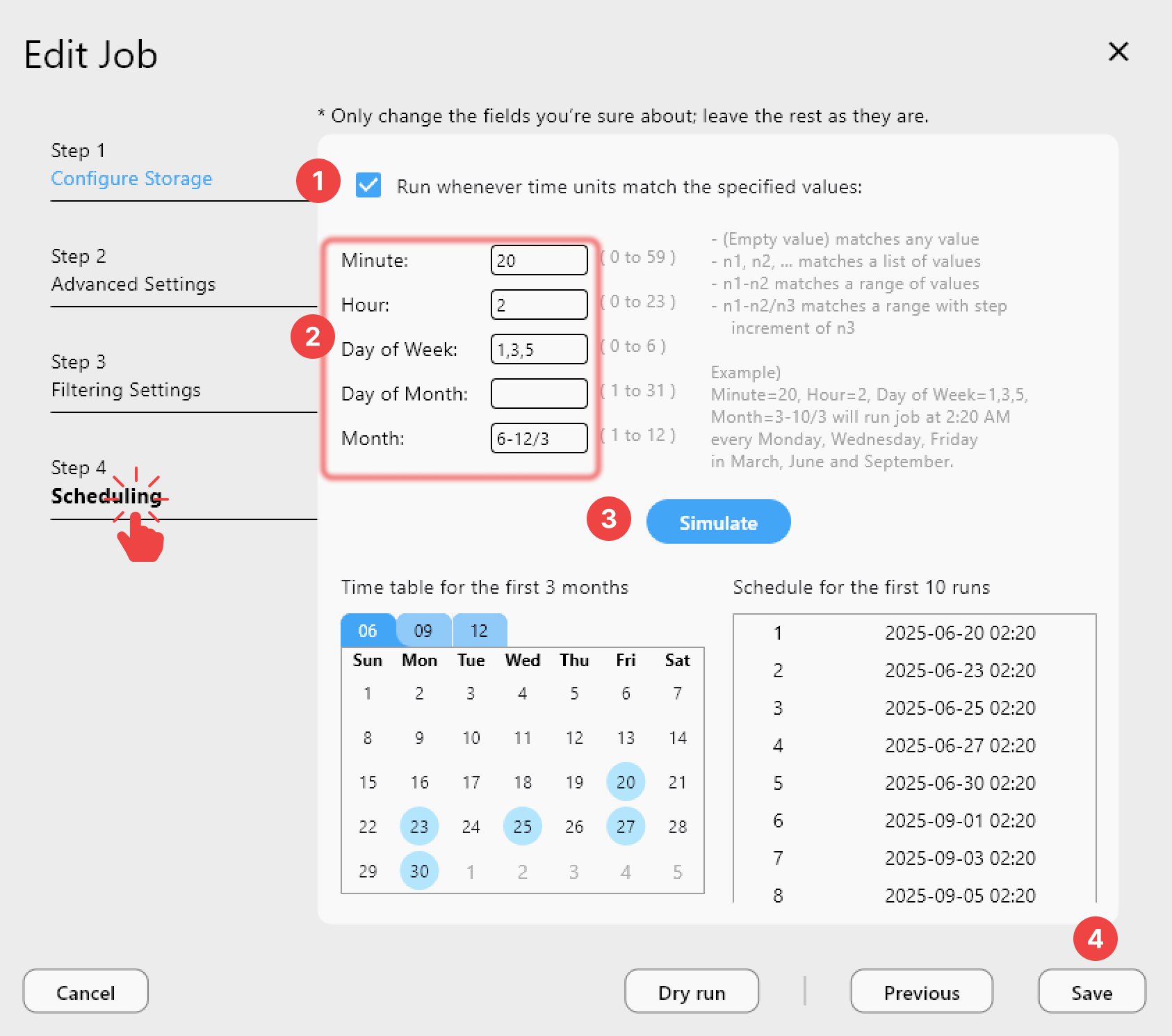
4) Year-end archival
After tax season, archive the year's files to cold storage:
- Active files (current year) → NAS + OneDrive.
- Previous year → S3 Standard-IA ($12.50/TB/month).
- Older years → S3 Glacier ($4/TB/month).
5) Verify backup integrity
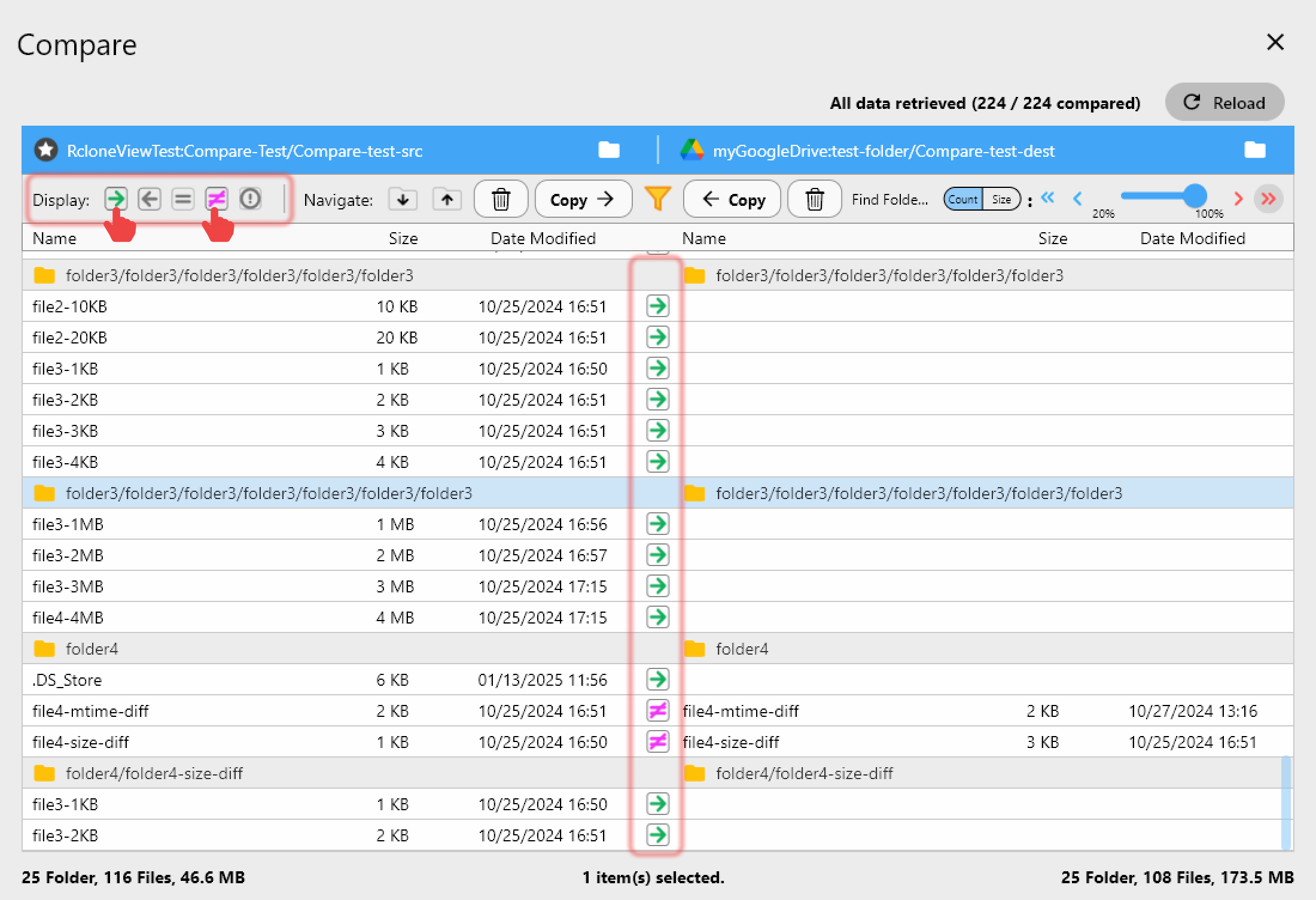
Security Best Practices
- Encrypt everything — Use crypt remotes for client data backups.
- Separate credentials — Different accounts for different clients.
- Audit trail — RcloneView's job history logs all transfers.
- Retention policies — Automate archival to cold storage after defined periods.
- Test restores — Quarterly test that you can actually recover client files.
Getting Started
- Download RcloneView from rcloneview.com.
- Add firm and client cloud accounts.
- Set up encrypted backup jobs.
- Schedule nightly backups.
- Archive annually to cold storage.
Client trust requires data protection. Automate it.
Related Guides:
Supported Cloud Providers