Migrate OneDrive to Wasabi — Cloud Backup with RcloneView
Use RcloneView to transfer files from Microsoft OneDrive to Wasabi's S3-compatible hot cloud storage — direct cloud-to-cloud, no intermediate downloads needed.
Organizations often start with OneDrive bundled in Microsoft 365, then realize they need a dedicated, cost-effective backup tier as data volumes grow. Wasabi's S3-compatible hot cloud storage is a popular destination: predictable flat-rate storage with no egress fees. RcloneView bridges both services through rclone's backends, letting you migrate OneDrive content to Wasabi buckets through a visual interface — no scripting required.
Manage & Sync All Clouds in One Place
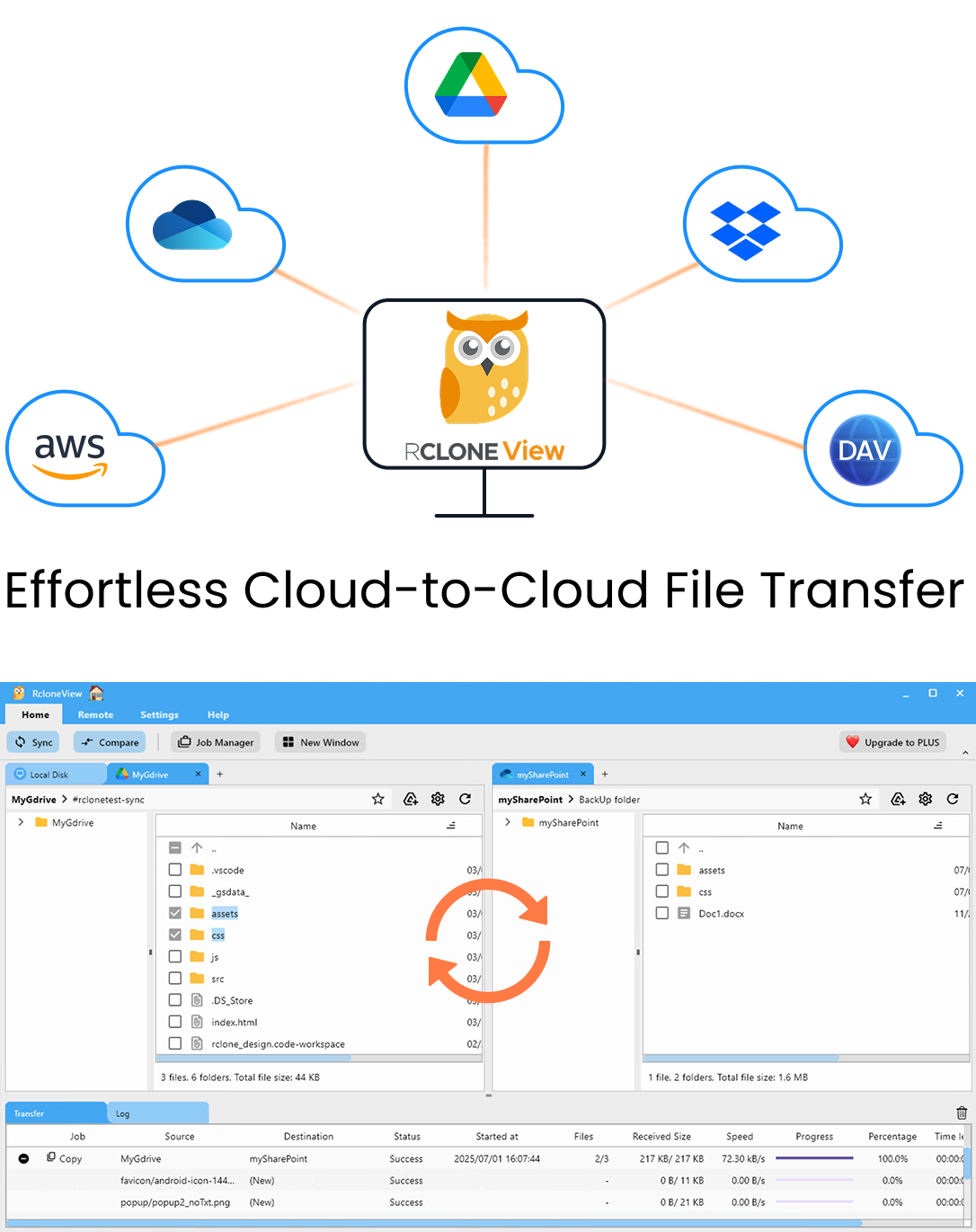
RcloneView is a cross-platform GUI for rclone. Compare folders, transfer or sync files, and automate multi-cloud workflows with a clean, visual interface.
- One-click jobs: Copy · Sync · Compare
- Schedulers & history for reliable automation
- Works with Google Drive, OneDrive, Dropbox, S3, WebDAV, SFTP and more
Free core features. Plus automations available.
Connecting OneDrive and Wasabi
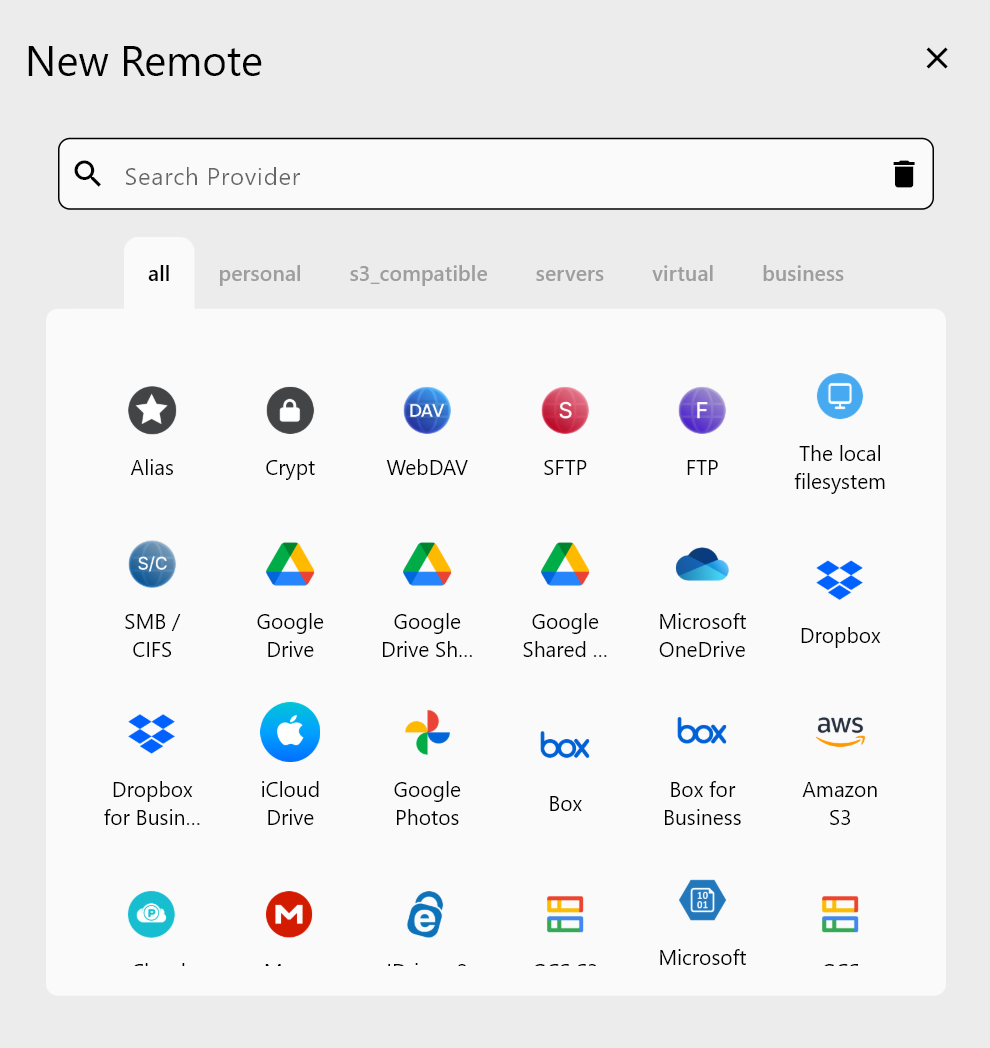
Add OneDrive first: Remote tab → New Remote → Microsoft OneDrive, authenticate through the OAuth browser login, and confirm the remote is saved. For personal OneDrive, the process is instant. For OneDrive for Business, you may need to select the correct tenant during authentication.
Add Wasabi next: New Remote → Amazon S3 Compatible → Wasabi. Enter your Wasabi access key, secret key, and select the correct endpoint for your bucket's region (e.g., s3.us-east-1.wasabisys.com). Wasabi's S3 API is compatible with rclone's S3 backend without any special configuration.
Planning the Migration Scope
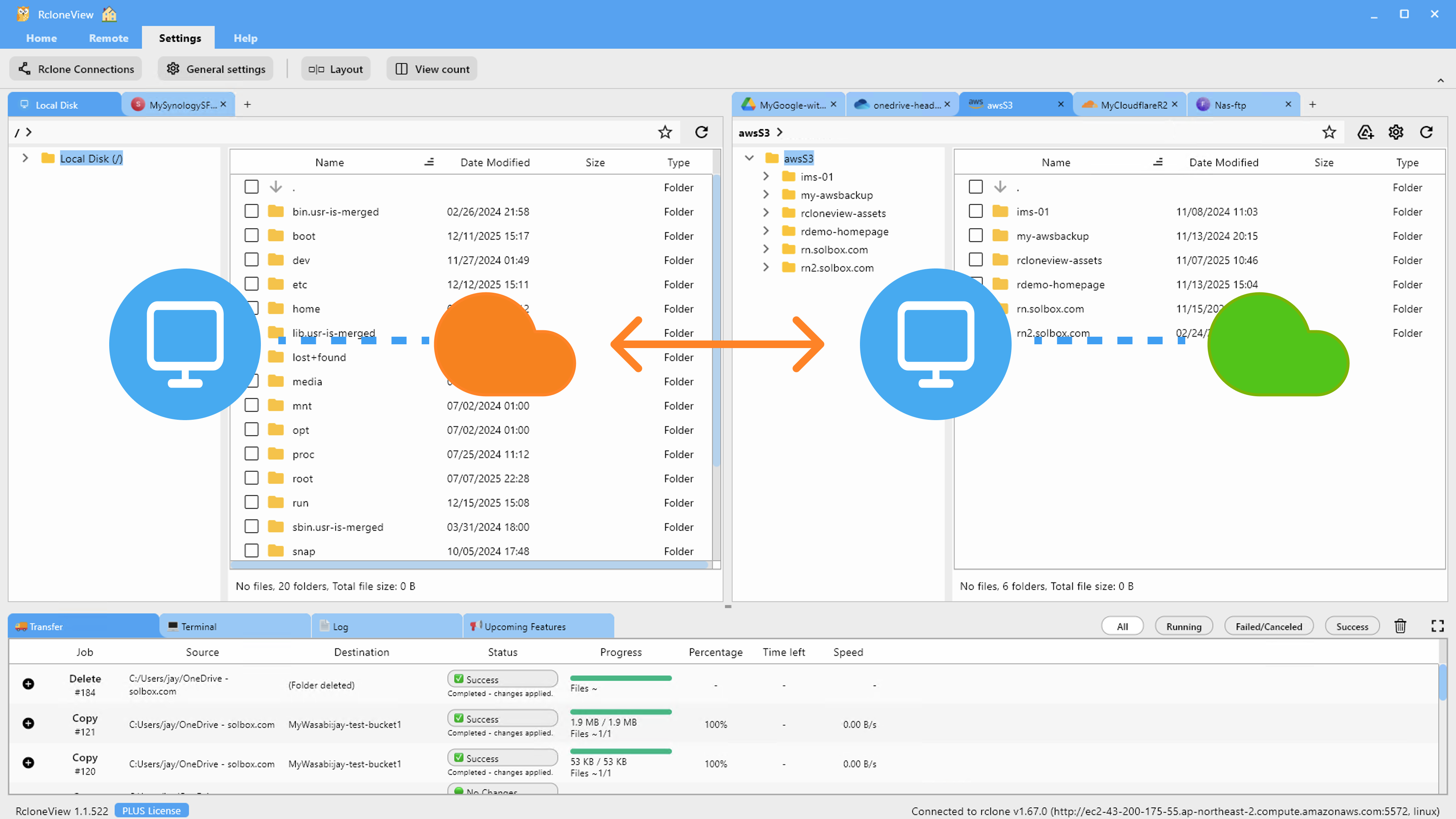
Open the Explorer in a two-panel layout — OneDrive on the left, Wasabi on the right. Browse the OneDrive tree to identify the folders you want to migrate. A legal department might be moving a Contracts/2020-2024/ archive; a design agency might migrate a Client-Assets/ folder with 500 GB of layered files.
Use RcloneView's Get Size right-click option on the source folder to calculate the total data volume before committing to the transfer. For large migrations, set the job to run overnight if bandwidth is shared with other users or services.
Running the Sync Job with Verification
Create a Sync job in Job Manager: source is your OneDrive path, destination is your Wasabi bucket path. In Step 2, enable checksum verification to validate each file's hash after transfer — essential for compliance-sensitive archives. Set concurrent transfers to 6–8 for a balance of speed and API stability.
Run the Dry Run first to preview the operation list. OneDrive items with special characters in filenames (common in user-generated content) will be flagged for encoding adjustments. Review the Log tab after the dry run to catch any issues before the live transfer.
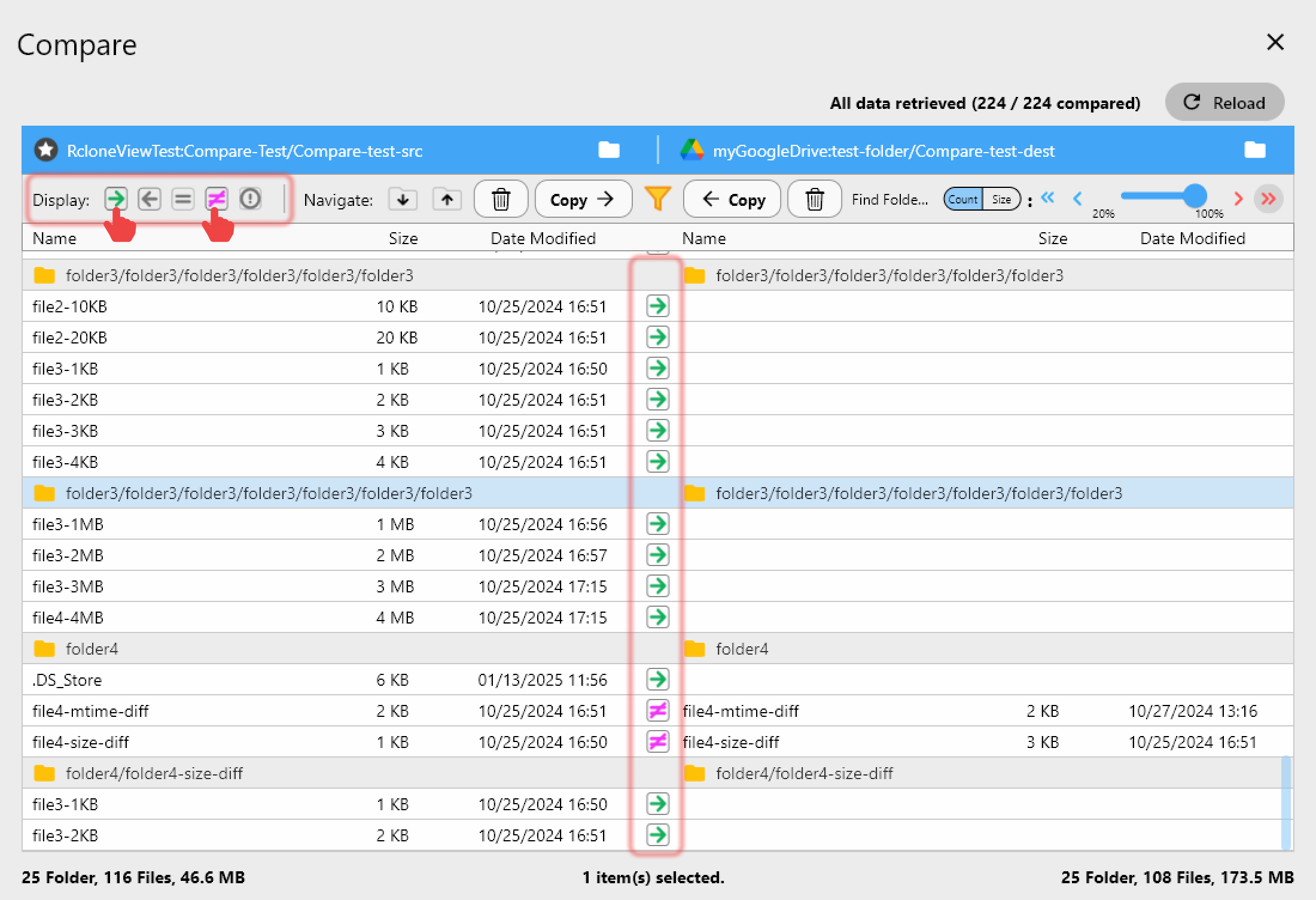
After the migration, use RcloneView's Folder Compare feature to visually diff the OneDrive source against the Wasabi destination — confirming file counts and sizes match before decommissioning the OneDrive copy.
Getting Started
- Download RcloneView from rcloneview.com.
- Add OneDrive via OAuth login and Wasabi via S3 credentials in the New Remote wizard.
- Use Folder Compare to assess migration scope, then create a Sync job in Job Manager.
- Enable checksum verification, run a Dry Run, then execute the full migration.
Moving from OneDrive to Wasabi with RcloneView gives you a verified, auditable migration trail — with job history and transfer logs saved automatically.
Related Guides:
- Migrate OneDrive to Backblaze B2 with RcloneView
- Migrate OneDrive to Google Drive with RcloneView
- Manage OneDrive Cloud Sync and Backup with RcloneView
Supported Cloud Providers