Sync Google Cloud Storage to Wasabi — Cost-Effective Backup with RcloneView
Wasabi offers hot cloud storage at a fraction of Google Cloud Storage's per-GB cost — RcloneView connects both and automates the migration or ongoing sync.
Google Cloud Storage is deeply integrated into GCP workflows, but its storage costs add up quickly for large datasets. Wasabi provides S3-compatible hot storage with a flat per-TB pricing model and no egress charges, making it attractive as a secondary backup target or a cost-saving migration destination. RcloneView supports both providers and handles the sync job from a single GUI interface.
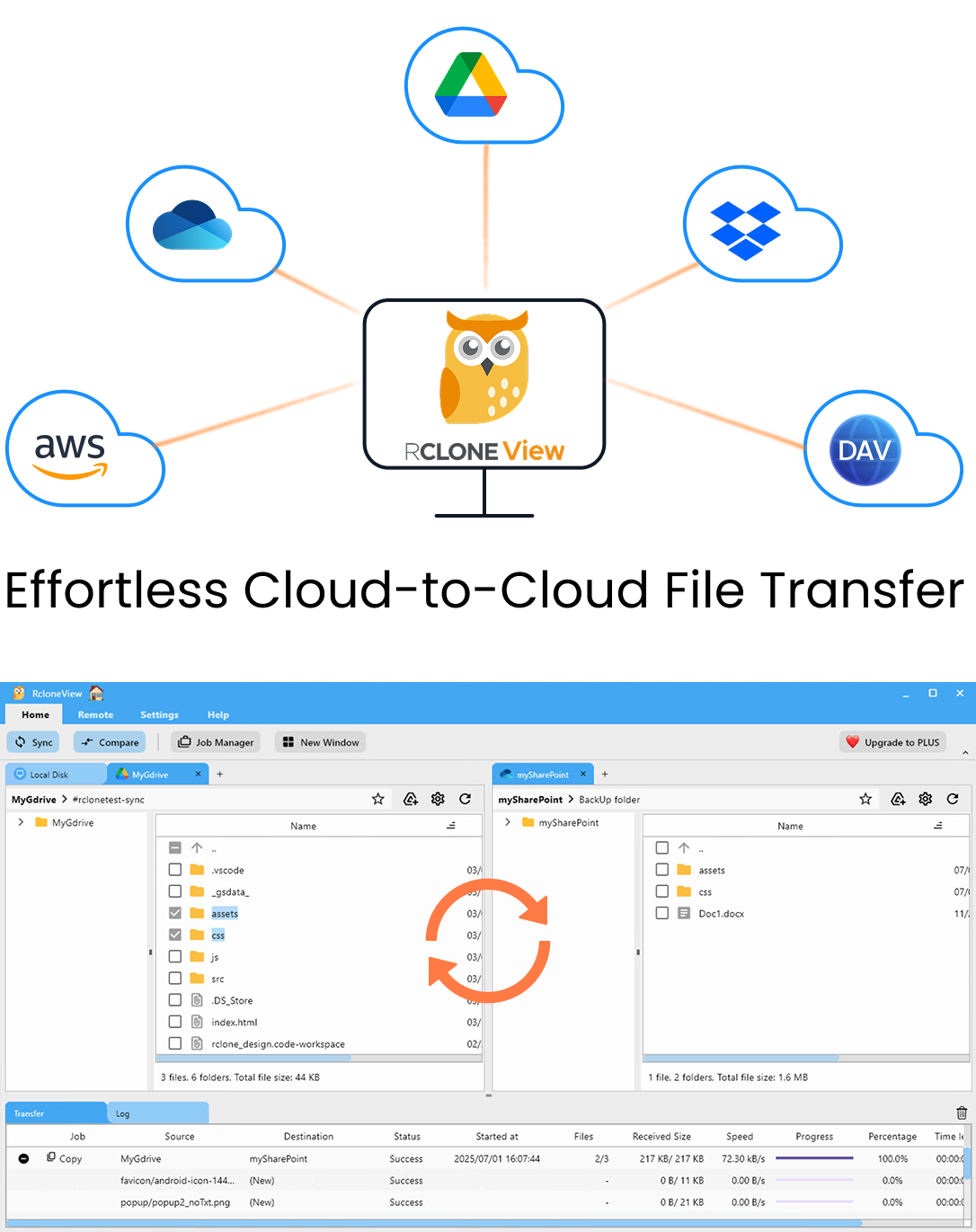
Manage & Sync All Clouds in One Place
RcloneView is a cross-platform GUI for rclone. Compare folders, transfer or sync files, and automate multi-cloud workflows with a clean, visual interface.
- One-click jobs: Copy · Sync · Compare
- Schedulers & history for reliable automation
- Works with Google Drive, OneDrive, Dropbox, S3, WebDAV, SFTP and more
Free core features. Plus automations available.
Connecting Google Cloud Storage
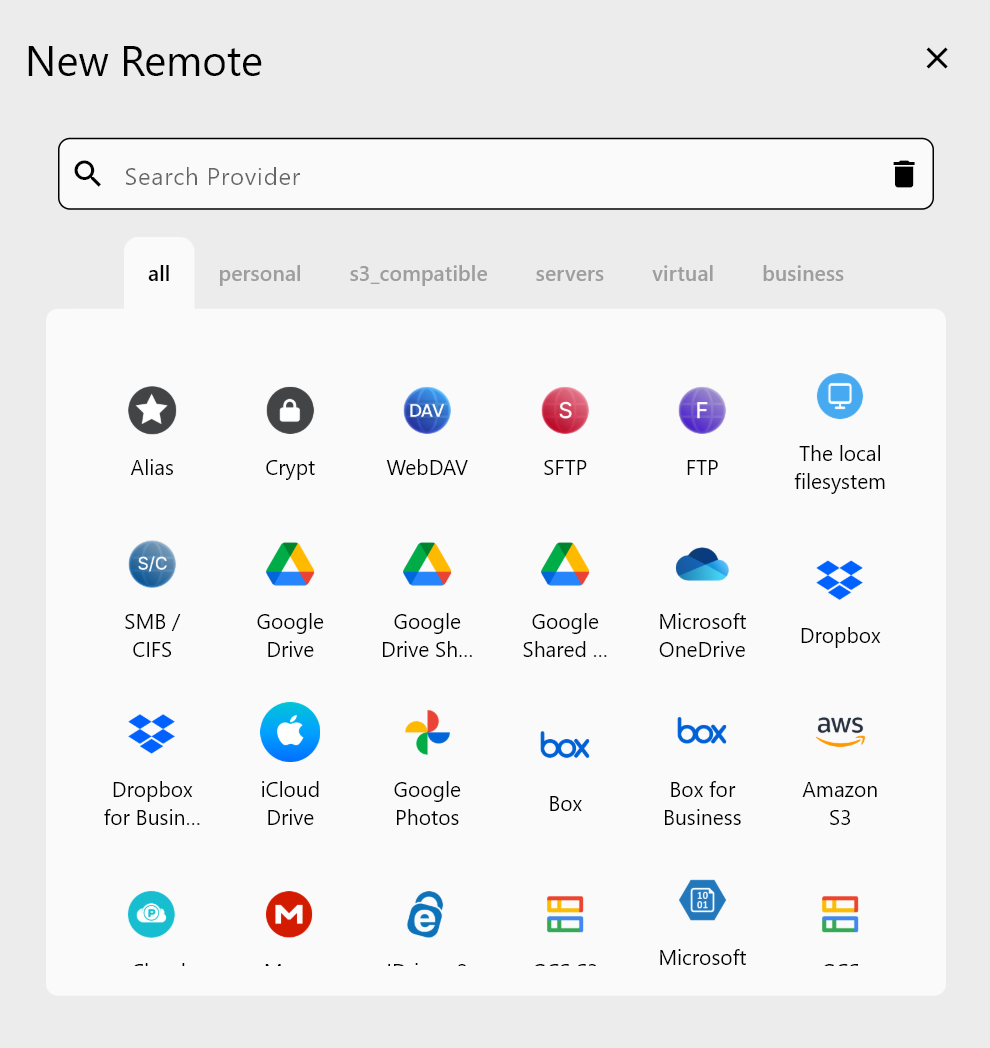
Google Cloud Storage (GCS) can be connected in RcloneView in two ways: using the native GCS provider or the S3-compatible interface. For most setups, the native GCS provider is straightforward. Open Remote Manager, click New Remote, and select Google Cloud Storage.
You'll need to provide your Project Number (found in the GCP Console under Project Info). Authentication uses a service account JSON key or OAuth. For service account access, download the JSON key from GCP Console → IAM & Admin → Service Accounts, and specify the path in the remote configuration. For OAuth, RcloneView opens your browser for Google account authorization.
Connecting Wasabi
In Remote Manager, click New Remote and select S3 Compatible (Wasabi is S3-compatible). Fill in:
- Access Key ID: from the Wasabi console under Access Keys
- Secret Access Key: the corresponding secret
- Endpoint: the Wasabi endpoint for your region (e.g.,
s3.us-east-1.wasabisys.comors3.eu-central-1.wasabisys.com)
Save the remote. Confirm your Wasabi buckets appear in the File Explorer before proceeding.
Setting Up the Sync Job
Go to Jobs and click New Job. Set Google Cloud Storage as the source — select the specific bucket or folder path. Set Wasabi as the destination with the target bucket and path.
In step 2 of the job wizard, configure for a reliable large-scale sync:
- Transfers: 8–16 (both GCS and Wasabi handle high concurrency well)
- Checkers: 8–16 (controls how many equality checks run in parallel)
- Checksum verification: enable for data integrity confirmation
- Dry Run: enable first to review scope
Scheduling Ongoing Sync
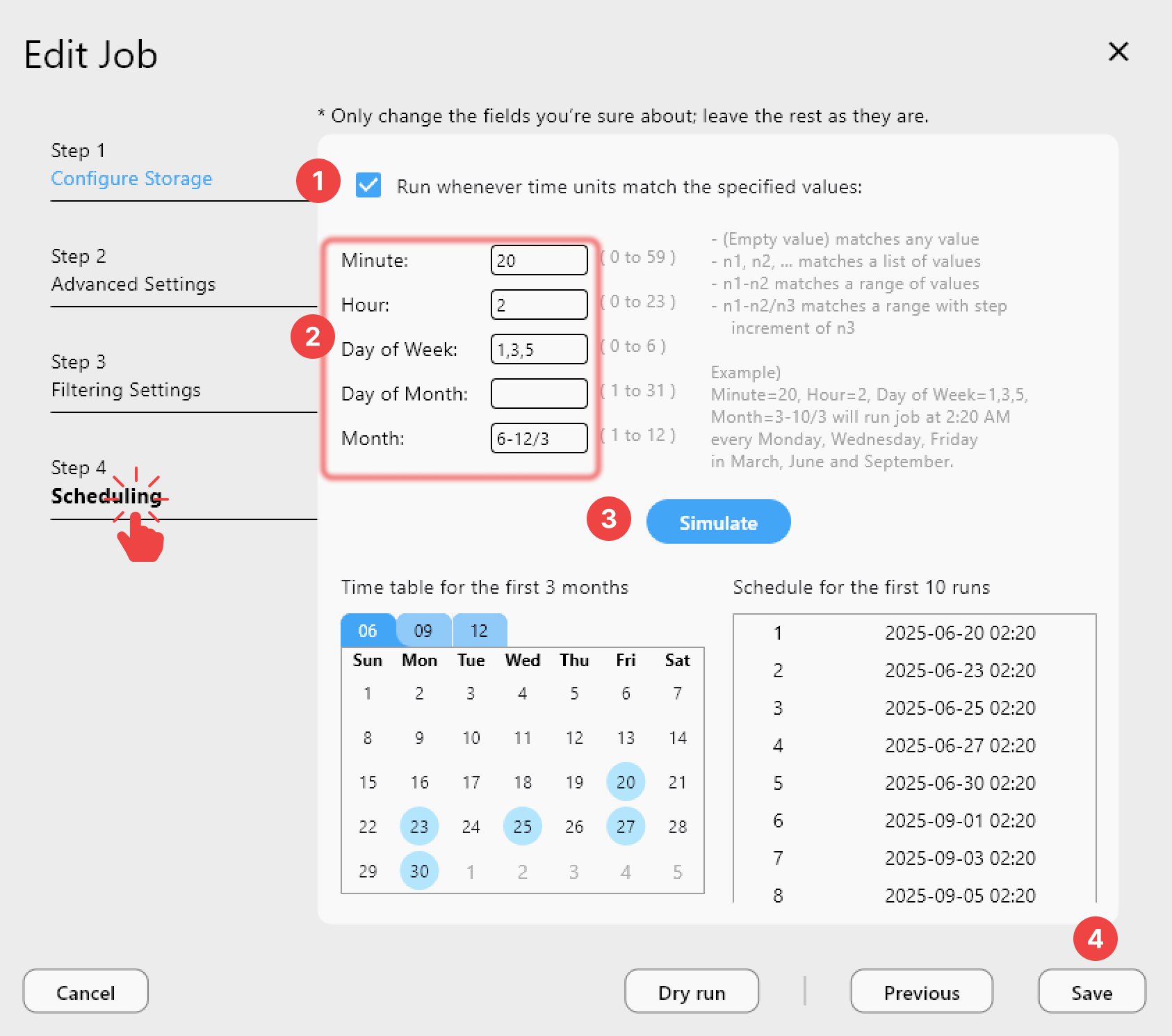
If GCS remains your primary storage and Wasabi serves as a cost-effective backup tier, schedule a recurring sync job. With a PLUS license, open the job settings and add a cron schedule in step 3 — for example, 0 2 * * * for nightly backups at 2 AM.
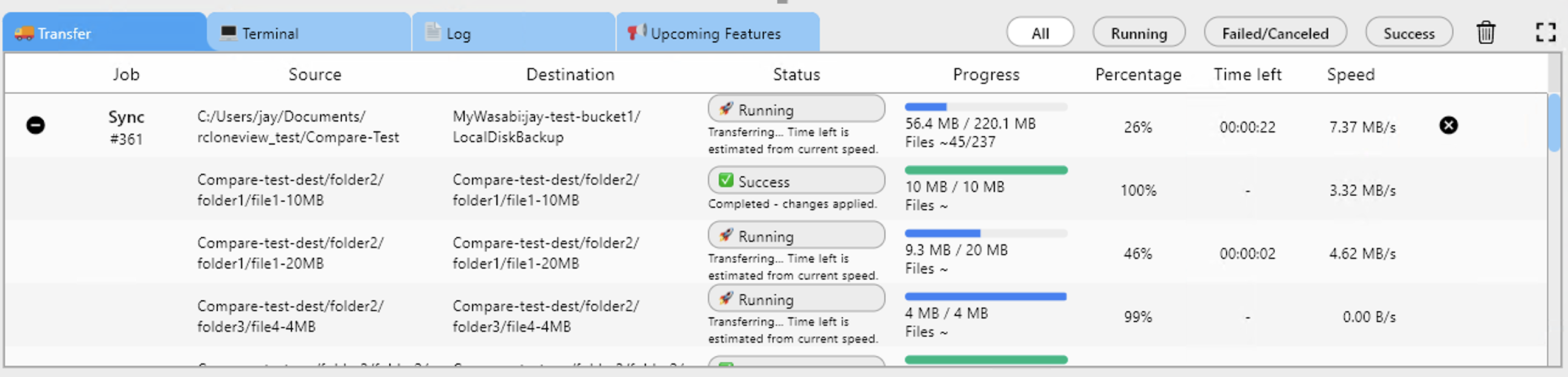
RcloneView's incremental sync means each run after the initial migration only transfers changed or new files. The Job History tab records every run with file counts, data transferred, speed, and errors — giving you a clear audit trail.
Cost Considerations
Wasabi's pricing model has no per-request fees and no egress charges (within usage limits), making it predictable for large datasets. The GCS → Wasabi migration does incur GCS egress costs, but this is a one-time expense for migrations. For ongoing backups, the data originates from your servers or application pipelines, so egress impact depends on your setup.
Getting Started
- Download RcloneView from rcloneview.com.
- Connect Google Cloud Storage in Remote Manager using your Project Number and service account JSON or OAuth.
- Connect Wasabi using Access Key, Secret Key, and regional endpoint.
- Create a sync job, run Dry Run to confirm scope, then schedule for ongoing automated backups.
Moving GCS backups to Wasabi typically delivers meaningful storage cost reduction with no compromise on accessibility.
Related Guides:
- Manage Scaleway Object Storage with RcloneView
- Migrate Wasabi to Cloudflare R2 with RcloneView
- Automate Daily Cloud Backups with RcloneView
Supported Cloud Providers