Fix Dropbox Rate Limit API Errors — Resolve Transfer Issues with RcloneView
Dropbox enforces API rate limits that cause 429 errors during bulk transfers — adjusting concurrency and retry settings in RcloneView resolves them reliably.
When syncing large numbers of files to or from Dropbox, you may encounter errors like too_many_requests, HTTP 429, or dropbox: too many requests - retry after X seconds. These are API rate limit responses from Dropbox, not connection failures. The fix involves reducing how many simultaneous requests RcloneView sends, configuring retry behavior, and understanding which operations trigger Dropbox's limits.
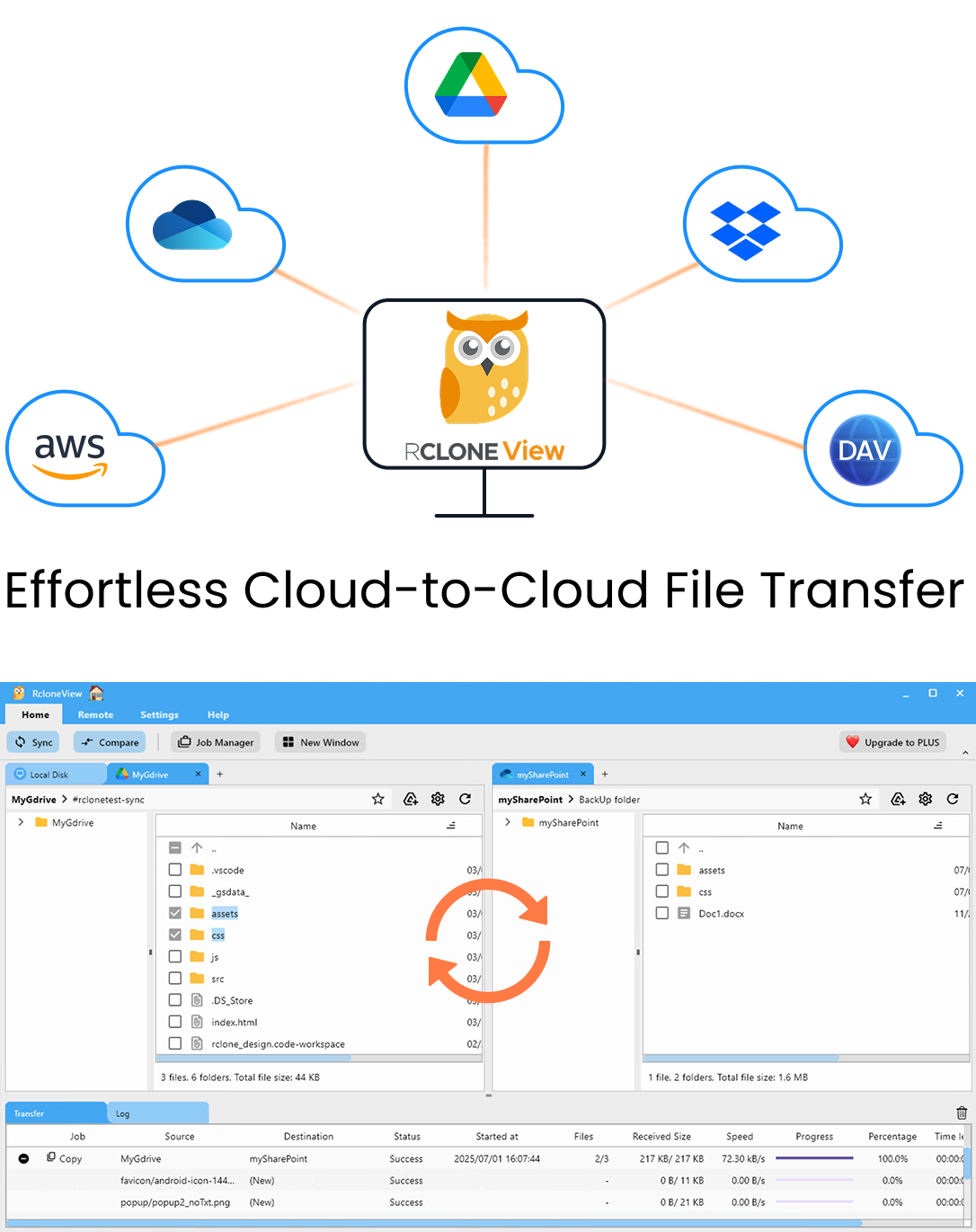
Manage & Sync All Clouds in One Place
RcloneView is a cross-platform GUI for rclone. Compare folders, transfer or sync files, and automate multi-cloud workflows with a clean, visual interface.
- One-click jobs: Copy · Sync · Compare
- Schedulers & history for reliable automation
- Works with Google Drive, OneDrive, Dropbox, S3, WebDAV, SFTP and more
Free core features. Plus automations available.
Identifying the Error in Logs
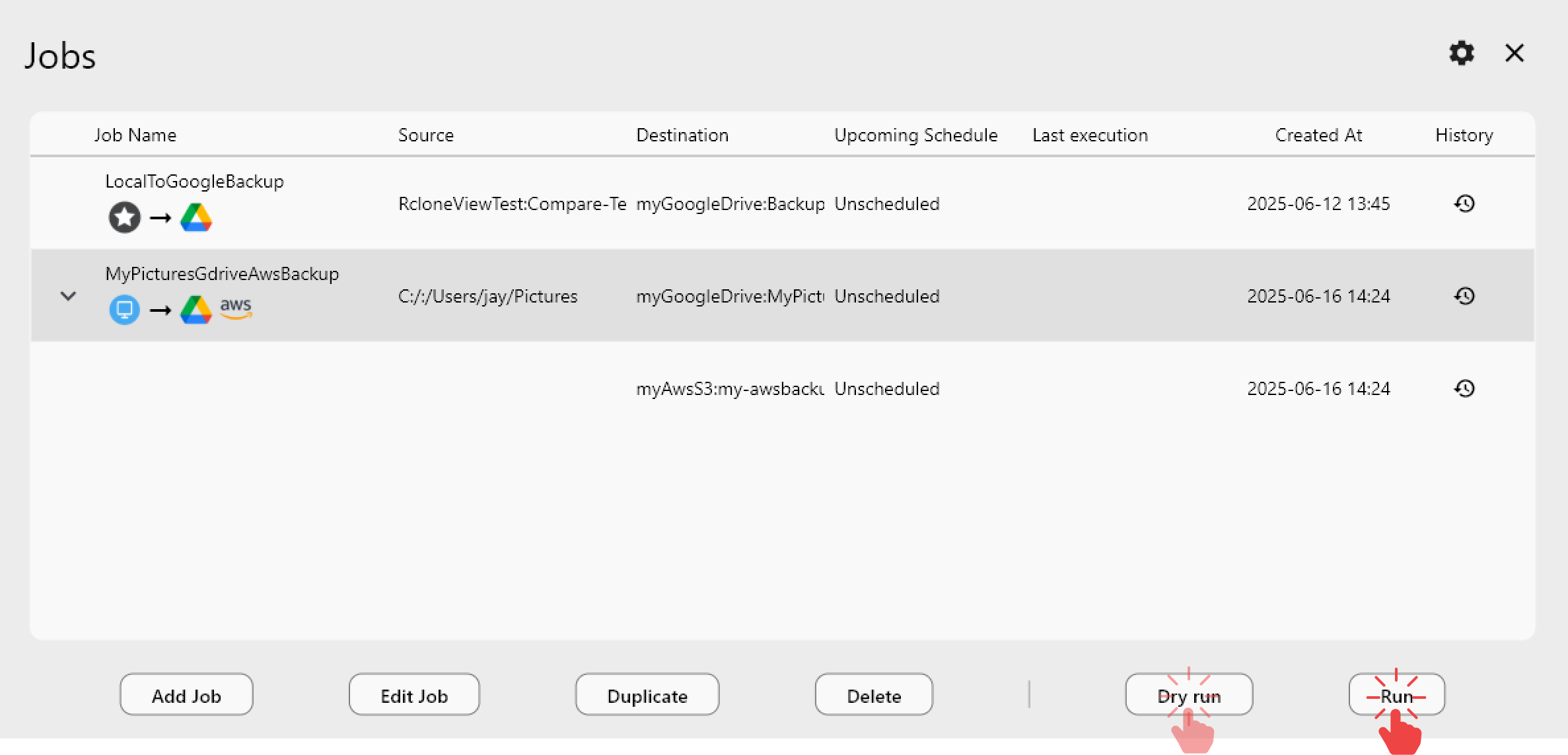
When Dropbox rate limiting occurs, the errors appear in RcloneView's Log tab during or after a job run. Look for entries containing:
HTTP 429too_many_requestsdropbox: retry afterfailed to copy: ... rate limit
Open the Log tab while a job is running or after it completes to see the full error messages. The presence of these messages confirms rate limiting rather than a network or credentials issue.
Reduce Concurrent Transfers
The primary cause of Dropbox rate limits is too many simultaneous API calls. In RcloneView, open your sync job and go to step 2 (transfer options). Lower the following settings:
- Transfers: reduce from the default to 2 or 3 for Dropbox. The Dropbox API is more sensitive to concurrency than S3-compatible providers.
- Checkers: reduce to 4 or fewer. Checkers perform file existence and metadata lookups, which also count toward Dropbox API request limits.
Save the job settings and re-run. In most cases, reducing concurrency to 2–3 transfers eliminates the rate limit errors.
Configure Retry on Failure
RcloneView passes rclone's retry settings for jobs. In the job options, ensure retry on failure is enabled. By default, rclone retries failed transfers up to 3 times with exponential backoff. When Dropbox returns a 429 with a retry-after header, rclone respects that header and waits before retrying — this built-in behavior handles transient rate limits automatically.
If errors persist, you can increase the retry count in the advanced job options. For very large Dropbox libraries (100k+ files), setting retries to 5 or higher gives the job more resilience against intermittent throttling.
Use Low-Traffic Hours
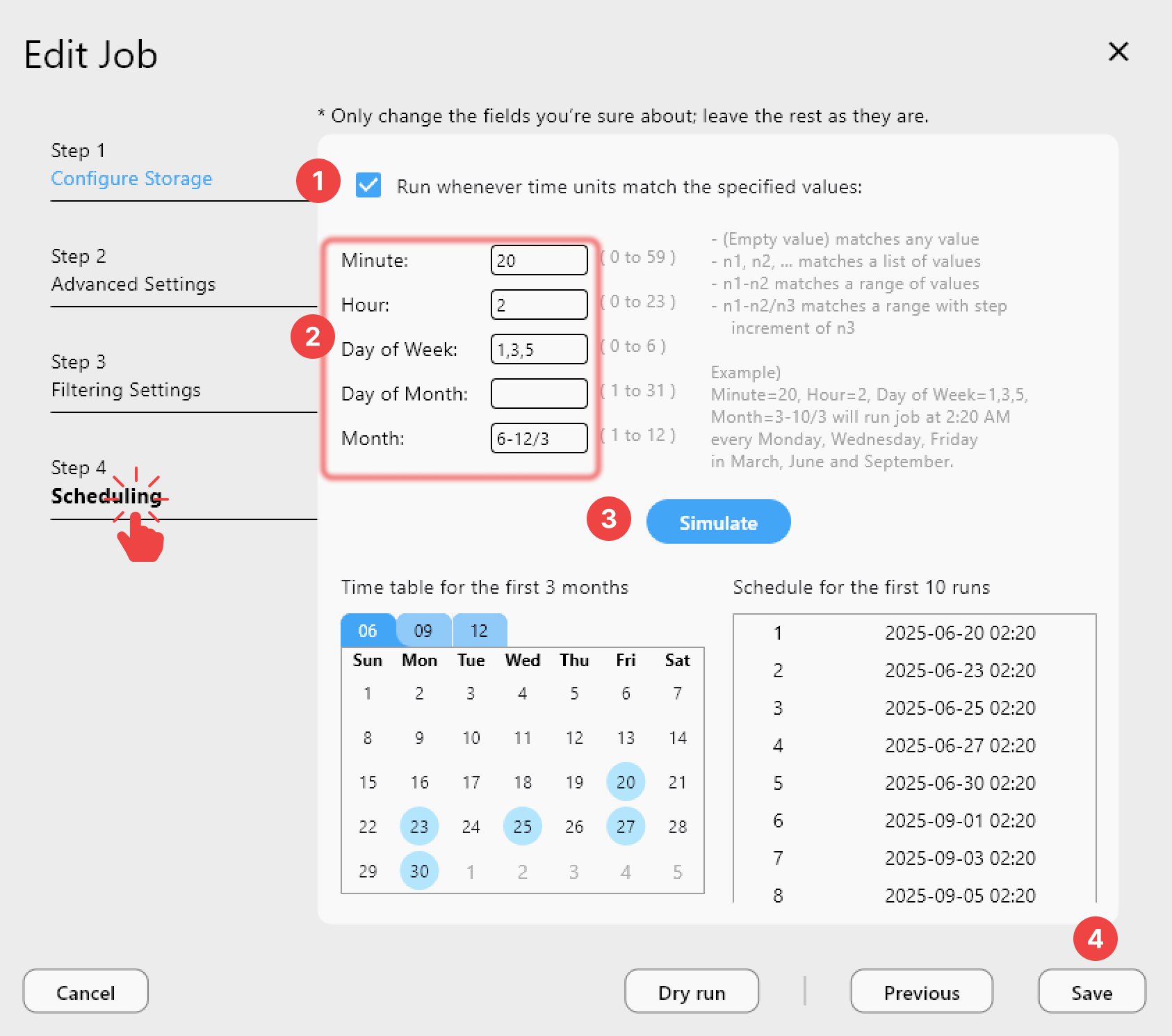
Dropbox's rate limits are stricter during peak usage periods. Scheduling your large Dropbox sync jobs to run during off-peak hours (late night or early morning) significantly reduces the chance of hitting limits. With a PLUS license, use the cron scheduler in RcloneView to run Dropbox jobs at 0 3 * * * (3 AM daily).
Re-Run Failed Jobs from Job History
If a Dropbox sync job fails partway through due to rate limiting, don't restart from scratch. Go to Job History, find the failed run, and re-run it. RcloneView skips files already transferred successfully and only retries the ones that failed. Combined with reduced concurrency, this resumes the sync efficiently.
Getting Started
- Download RcloneView from rcloneview.com.
- Open your Dropbox sync job settings, navigate to step 2, and reduce Transfers to 2–3 and Checkers to 4.
- Ensure retry on failure is enabled in the job options.
- Re-run the job from Job History to resume from where it failed.
With adjusted concurrency and retry settings, Dropbox syncs complete reliably even for large libraries.
Related Guides:
- Fix Google Drive Quota and Rate Limit API Errors
- Migrate Dropbox to Cloudflare R2 with RcloneView
- Recover Interrupted and Failed Transfers with RcloneView
Supported Cloud Providers