Fix Cloud Sync Symlink Errors — Resolve Link Transfer Issues with RcloneView
Symbolic links can silently break cloud sync jobs — here is how to understand rclone's symlink behavior and configure RcloneView to handle them correctly.
If your cloud sync jobs are failing with unexpected errors or files seem to go missing, symbolic links could be the culprit. Rclone — the engine powering RcloneView — has specific default behavior for symlinks that catches many users off guard. Understanding that behavior and knowing which settings to adjust in RcloneView will resolve most symlink-related sync issues quickly.
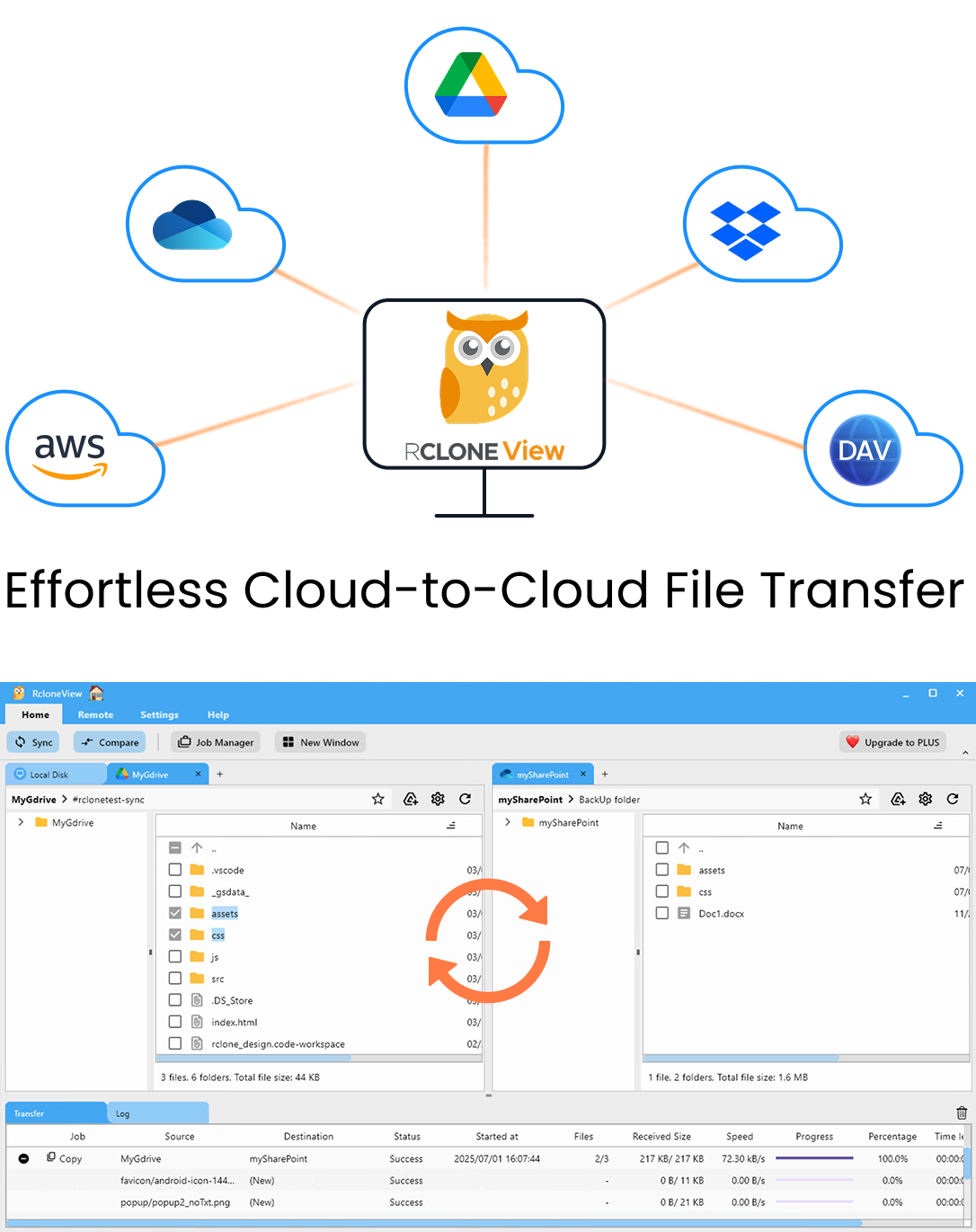
Manage & Sync All Clouds in One Place
RcloneView is a cross-platform GUI for rclone. Compare folders, transfer or sync files, and automate multi-cloud workflows with a clean, visual interface.
- One-click jobs: Copy · Sync · Compare
- Schedulers & history for reliable automation
- Works with Google Drive, OneDrive, Dropbox, S3, WebDAV, SFTP and more
Free core features. Plus automations available.
How Rclone Handles Symlinks by Default
By default, rclone follows symbolic links and transfers the file or directory that the symlink points to — it does not transfer the symlink itself. This means if you have a symlink pointing to a large file elsewhere on your system, rclone will copy the actual file content to the cloud destination. In most cases this is the desired behavior, but it can cause confusion when the symlink target does not exist, is outside the sync root, or creates circular references.
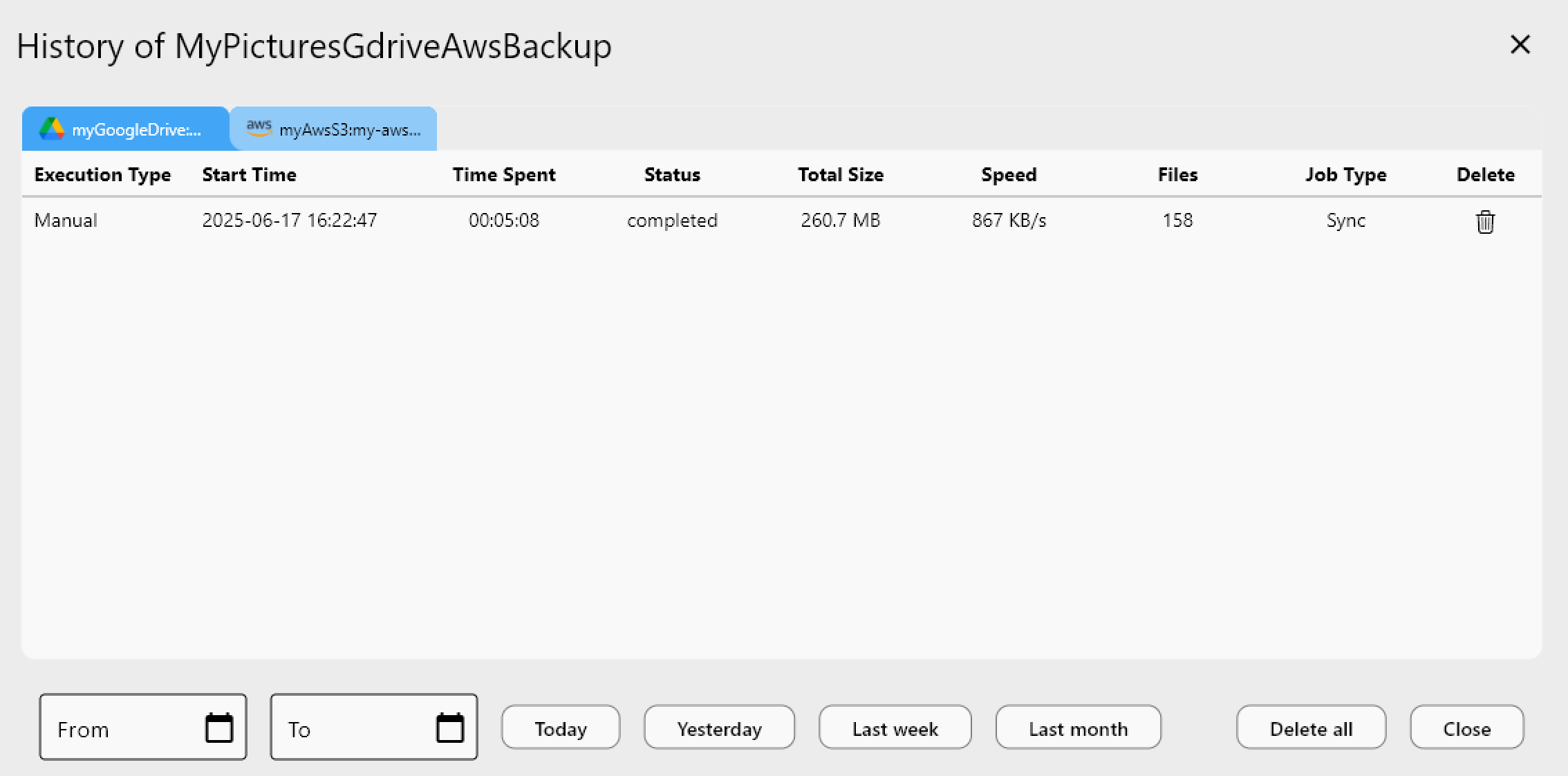
When a symlink target is missing or inaccessible, rclone will log an error and skip the symlink. These skipped files can be easy to miss in a long transfer log. RcloneView's Job History panel records these errors, so always check the history after a job completes to confirm that no files were silently skipped.
Using the --copy-links Flag in RcloneView
If you want rclone to follow symlinks and copy the target content (even if that target is outside the sync root), you can pass the --copy-links flag via RcloneView's Global Rclone Flags setting. Open RcloneView preferences, locate the Global Rclone Flags field, and add --copy-links. This instructs rclone to treat symlinks as regular files by copying the underlying content.
Use --copy-links carefully on systems where symlinks point to very large directories, as it can dramatically increase transfer size. Also note that some cloud providers have filename or path length restrictions that may cause issues if the symlink target has a long path.
Excluding Symlinks with Filters
A safer alternative for many workflows is to exclude symlinks entirely from the sync. In RcloneView's job configuration, you can add filter rules to skip symbolic links. Use the --exclude option with patterns that match your symlink names, or use --links to copy symlinks as text files (storing the link target path rather than the content). This approach keeps your sync predictable without the risk of unexpectedly large transfers.
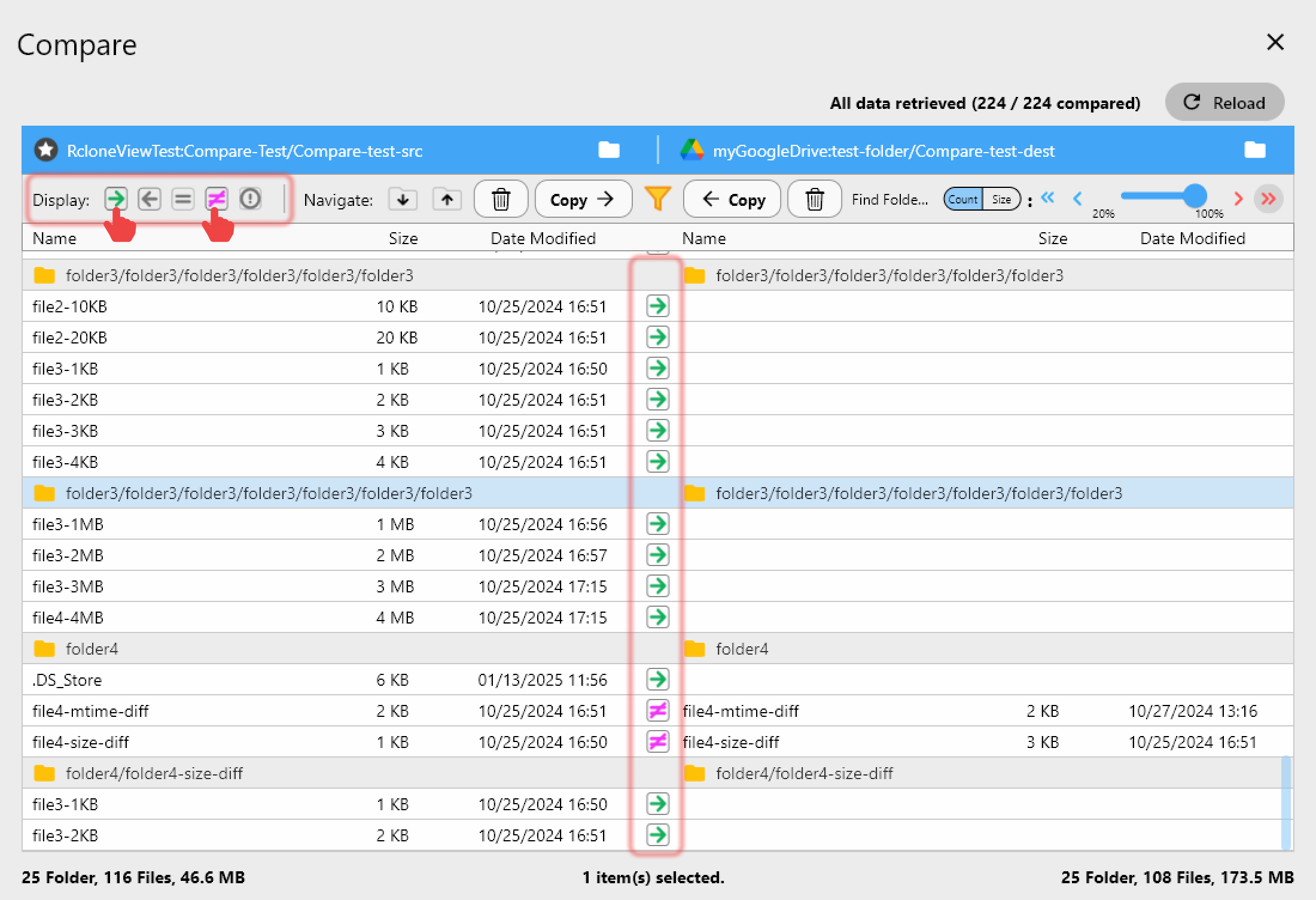
For projects like software development repositories where symlinks are common, combining filter rules with a dry run is the best practice before running a live sync. RcloneView's dry run mode shows exactly which files would be transferred, skipped, or errored — giving you confidence before committing to a full sync.
Getting Started
- Download RcloneView from rcloneview.com.
- After a failed sync, open Job History to identify symlink-related error messages.
- Go to RcloneView preferences and add
--copy-linksto Global Rclone Flags if you want symlink content transferred. - Alternatively, add filter rules in the Job Wizard to exclude symlinks from the sync scope.
- Run a dry run to verify the behavior before executing a live sync.
Handling symlinks correctly is one of those small configuration details that makes a big difference in sync reliability — and RcloneView gives you all the tools to get it right.
Related Guides:
- Custom Rclone Flags and Advanced Options in RcloneView
- Filter Rules for Selective Sync in RcloneView
- Troubleshoot Rclone Errors with RcloneView
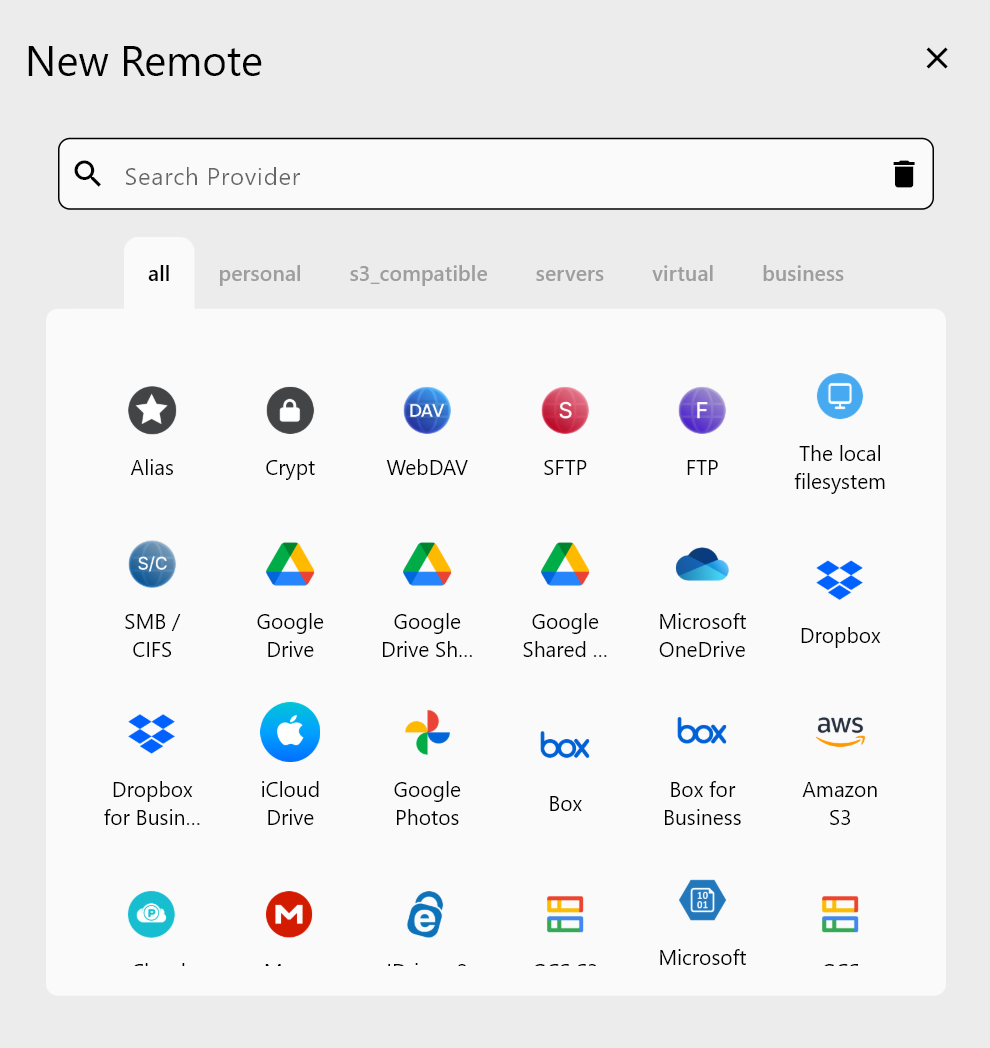
Supported Cloud Providers