Multi-Cloud Cost Optimization — Storage Tiers and Archiving with RcloneView

Most organizations overpay for cloud storage by keeping everything in hot-tier providers. RcloneView makes it practical to tier data across providers automatically, cutting costs without losing access.
Cloud storage costs compound quickly when fast-access "hot" storage — Google Drive, Dropbox, OneDrive — holds years of rarely accessed files. A pragmatic tiering strategy keeps recent, active files in premium storage and moves aging data to cost-effective archive providers like Backblaze B2, Wasabi, or Amazon S3 Glacier. RcloneView's filter-based jobs and scheduling make this tiering automatic.
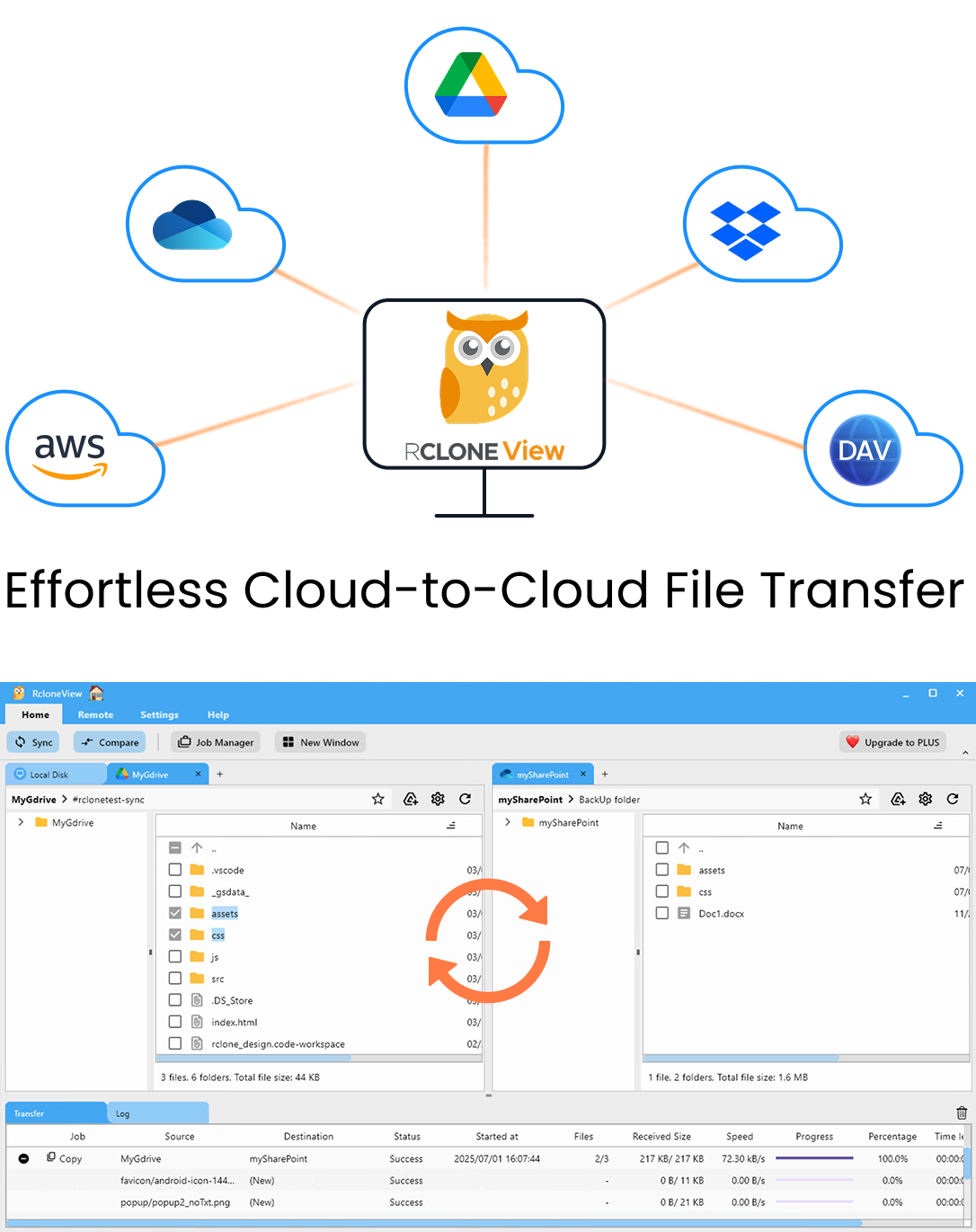
Manage & Sync All Clouds in One Place
RcloneView is a cross-platform GUI for rclone. Compare folders, transfer or sync files, and automate multi-cloud workflows with a clean, visual interface.
- One-click jobs: Copy · Sync · Compare
- Schedulers & history for reliable automation
- Works with Google Drive, OneDrive, Dropbox, S3, WebDAV, SFTP and more
Free core features. Plus automations available.
Understanding the Three Storage Tiers
Hot tier (Google Drive, Dropbox, OneDrive): Optimized for instant access, real-time collaboration, and mobile sync. Best for files accessed daily or weekly. Most expensive per GB.
Warm tier (Wasabi, Backblaze B2, Amazon S3 Standard): S3-compatible object storage with fast retrieval but lower cost than hot-tier providers. No egress fees on Wasabi and B2 (with Cloudflare). Ideal for files accessed monthly — project archives, client deliverables from the past year, and reference libraries.
Cold tier (Amazon S3 Glacier, Cloudflare R2 + lifecycle rules): Optimized for long-term retention with infrequent access. Cheapest per GB. Suitable for compliance archives, raw footage no longer in production, and multi-year backup retention.
Using RcloneView to Automate Tier Transitions
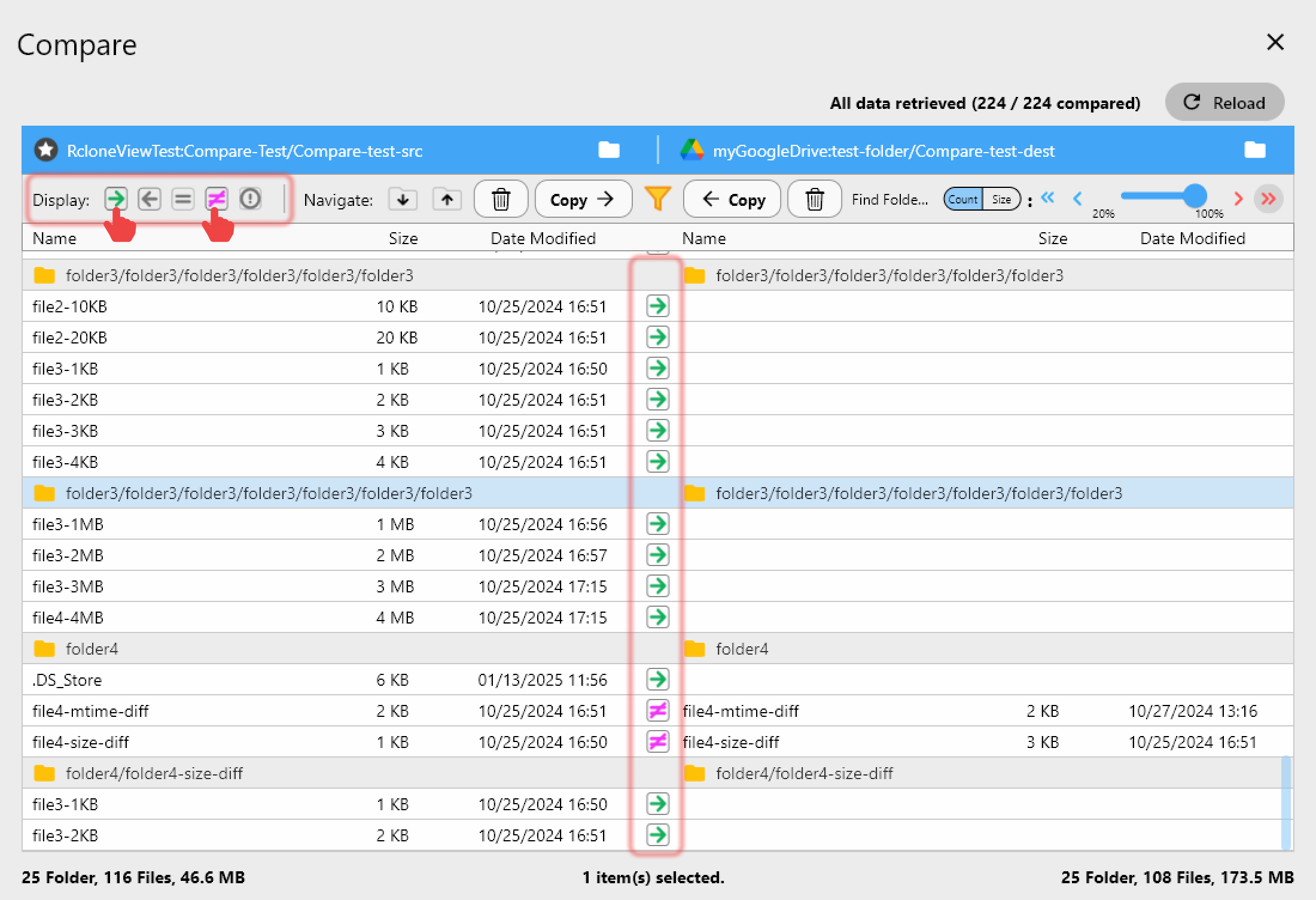
The Max file age filter in RcloneView's job wizard is the core tool for automated tiering. In Step 3 of the sync job wizard, set Max file age to 90d to target only files not modified in the last 90 days. Configure the source as your Dropbox or Google Drive working folder and the destination as Wasabi or Backblaze B2.
With a PLUS license, schedule this job to run monthly. Each run identifies and copies files that have aged past the threshold to the warm-tier archive. For cold-tier transitions (moving warm to Glacier-class storage), create a second job with the same filter logic pointing from B2 to S3 with an appropriate storage class setting in Global Rclone Flags.
Verifying Tier Transitions and Safe Deletion
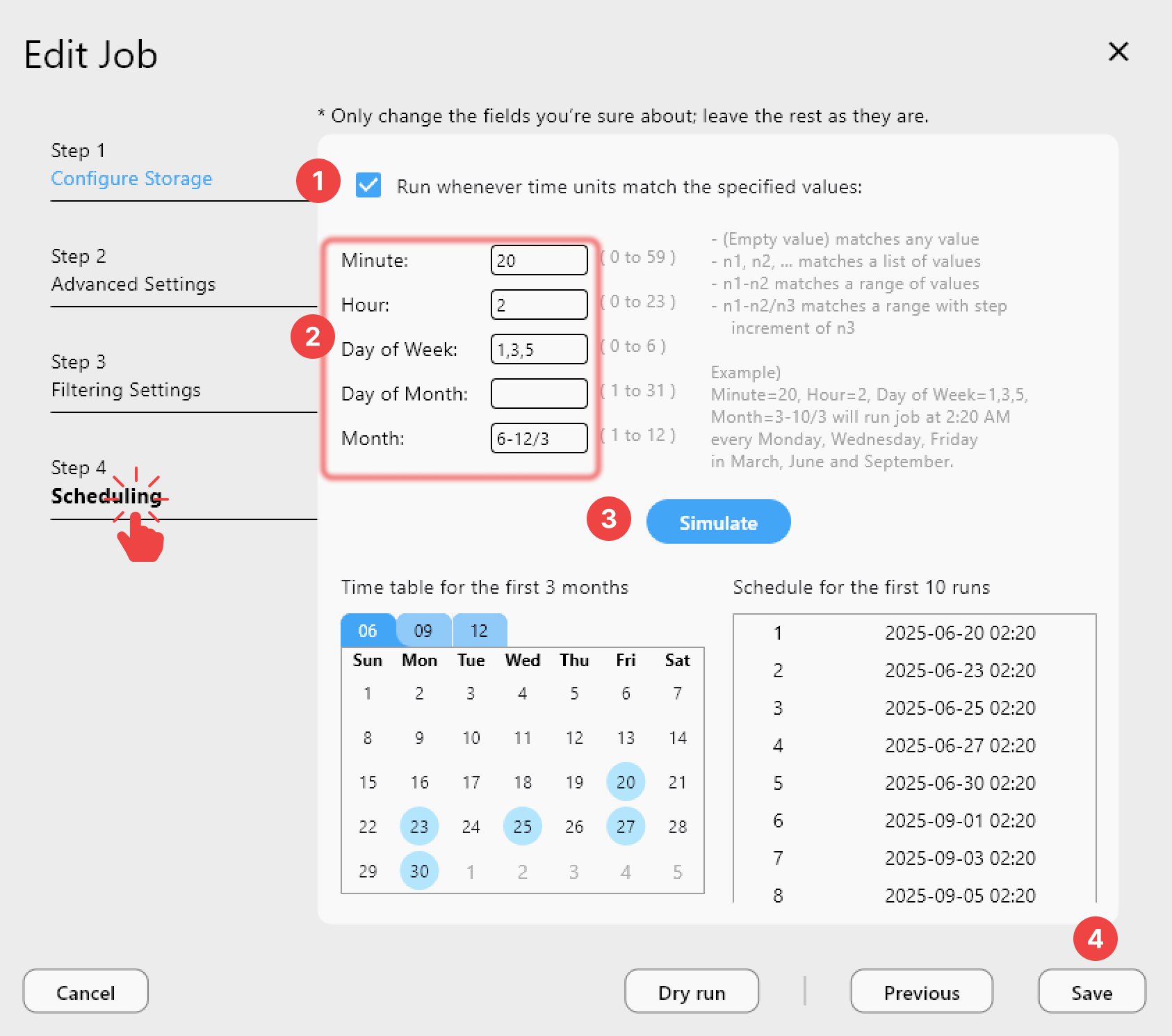
Never delete files from the hot tier until you've confirmed they exist on the warm or cold tier. RcloneView's Folder Compare is the right tool here: compare the Dropbox folder you're about to clear against the Backblaze B2 destination. Filter to show only files that are different or missing from the destination. If the compare shows zero discrepancies, the archive is complete and the originals can be safely deleted.
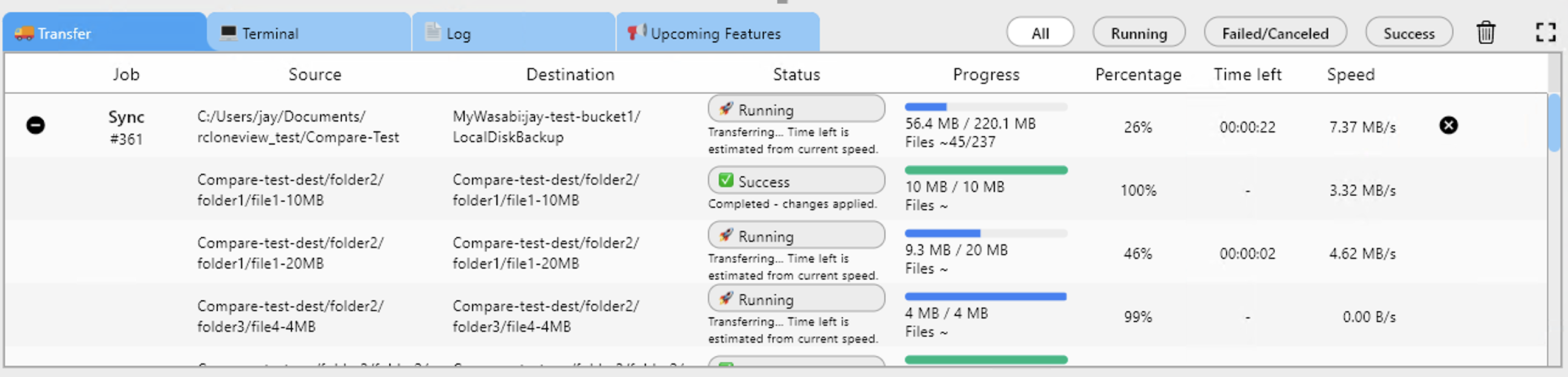
For compliance-sensitive industries, keep the Job History log as an audit record of when each batch was archived. The log records the number of files transferred, total size, and timestamp for every run.
Getting Started
- Download RcloneView from rcloneview.com.
- Identify your hot-tier providers (Google Drive, Dropbox) and target warm-tier (B2, Wasabi).
- Create a Copy job with a Max file age filter of 90 days and schedule it monthly.
- Use Folder Compare to verify archived files before deleting from the hot tier.
A well-implemented tiering strategy with RcloneView can significantly reduce cloud storage spending without sacrificing data availability.
Related Guides:
- Reduce Multi-Cloud Costs and Ghost Files with RcloneView
- Cold Archive to Glacier with RcloneView
- Multi-Cloud Backup Strategy with RcloneView
Supported Cloud Providers